
Introduction
If you have ever stood in your kitchen at 2:00 AM staring at a freshly pumped bottle of milk—terrified you might ruin your hard-earned “liquid gold” by putting it in the wrong spot—take a deep breath. You are in very good company.
Pumping takes immense time, physical energy, and mental focus. When you are running on broken sleep, trying to memorize whether expressed milk lasts four hours on the counter or four days in the fridge feels like studying for an exam you never signed up for. One conflicting piece of advice from a well-meaning relative can leave you spiraling.
That is exactly why having a clear, reliable breast milk storage game plan changes everything. When you know the exact rules, you stop second-guessing yourself, prevent painful waste, and hand bottles over to partners, family members, or childcare providers with total confidence.
In this complete, mom-to-mom global handbook, we are walking through everything you need to know from the second you finish pumping to the moment your baby takes a warm sip. Inside, you will find:
- The master breast milk storage chart broken down by room temperature, insulated coolers, refrigerators, and freezers (in both °C/°F and ml/oz).
- Honest, brand-free comparisons of breast milk storage bags, glass bottles, BPA-free plastic bottles, and silicone containers.
- Step-by-step instructions on how to freeze, thaw, and warm milk without destroying fragile nutrients.
- Practical travel strategies for storing pumped milk at work, on road trips, or during flights anywhere in the world.
- Answers to 50+ real-life parenting questions you actually search for at midnight.
Grab a glass of water or a warm mug of tea, get comfortable, and let’s make breast milk storage one of the easiest parts of your day.
What Is Expressed Breast Milk and Why Storage Rules Matter
Before diving into clocks and thermometers, let’s clear up a common term you will see on hospital handouts and parenting websites: what is expressed breast milk?
Expressed breast milk is simply milk that has been removed from your breast—whether with an electric pump, a manual hand pump, a silicone suction collector, or gentle hand expression—so your baby can drink it later from a bottle, open cup, or syringe.
Unlike commercial infant formula, human breast milk is a living, dynamic fluid. It contains active white blood cells, antibodies, digestive enzymes, and beneficial probiotics that protect your baby from infections and help their digestive system mature. Because it is alive and completely free of artificial preservatives, how you handle and cool it directly impacts both its safety and its nutritional value.
Proper pumped breast milk storage does three critical things:
- Stops bacterial growth: Harmful bacteria multiply rapidly in warm temperatures. Cooling milk promptly keeps bacterial counts safely low.
- Protects immune factors: Extreme heat or improper freezing can break down delicate proteins and antibodies.
- Preserves healthy fats: Choosing the right containers prevents precious milk fat from sticking to walls and getting left behind.
Global Breast Milk Storage Guidelines & Printable Chart
When in doubt, anchor your routine in internationally recognized pediatric and public health guidelines. While you might occasionally hear older advice suggesting longer counter or fridge windows, modern clinical protocols favor tighter windows to ensure peak freshness, vitamin retention, and safety for healthy, full-term babies.
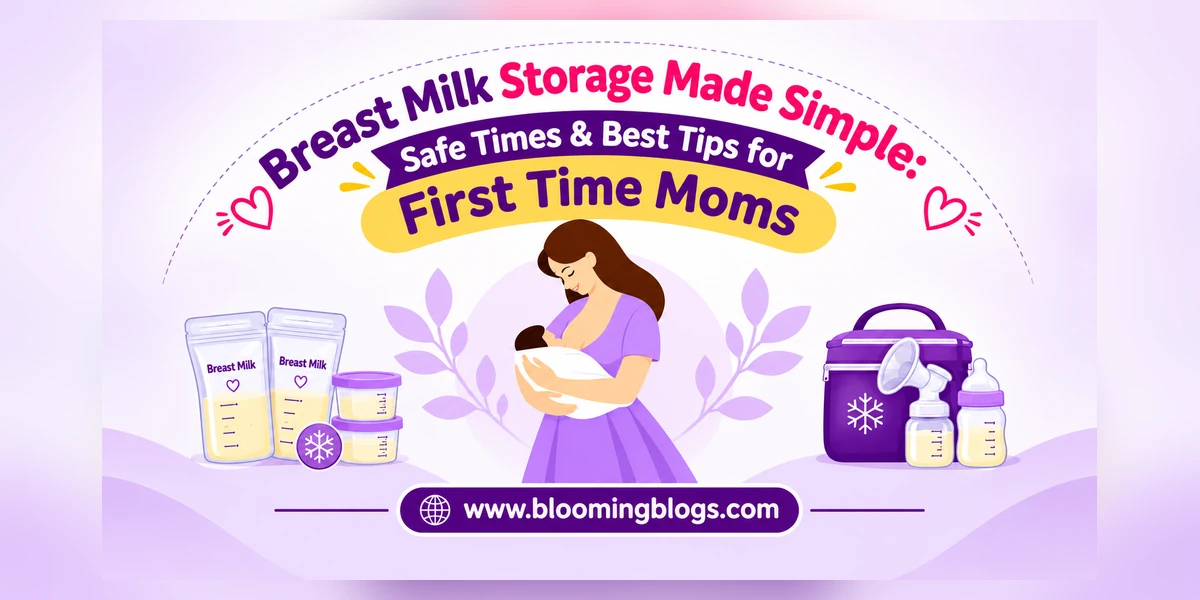
Breast Milk Storage: Protect Every Drop of Milk!
The Master Breast Milk Storage Chart
| Storage Location | Ideal Temperature | Maximum Safe Storage Time | Pro Parent Storage Tip |
| Countertop / Room Temperature | Up to 25°C (77°F) | Up to 4 hours | Keep out of direct sunlight and away from warm kitchen appliances like stoves or kettles. |
| Insulated Cooler Bag (with frozen ice packs) | 15°C (59°F) or cooler | Up to 24 hours | Keep frozen ice packs touching the milk containers directly; avoid unzipping the bag unnecessarily. |
| Refrigerator (Back of main shelf) | 4°C (40°F) or colder | Up to 4 days | Store in the cold back corner—never in the warm refrigerator door shelves. |
| Freezer (Attached to refrigerator) | -18°C (0°F) or colder | 6 months (Best) / Up to 12 months (Acceptable) | Push bags toward the back wall away from the door where warm air rushes in. |
| Deep Freezer (Chest or upright) | -20°C (-4°F) or colder | 6 months (Best) / Up to 12 months (Acceptable) | Ideal for building a long-term stash without automatic defrost warming cycles. |
| Previously Frozen Milk (Thawed in fridge) | 4°C (40°F) or colder | Within 24 hours (once completely thawed) | Count the 24-hour clock from the moment the last ice crystal melts—never refreeze! |
| Previously Frozen Milk (Brought to room temp) | Up to 25°C (77°F) | Within 2 hours | Use promptly once warmed; do not put back in the fridge. |
| Leftover Milk in Bottle (After baby feeds) | Room Temp / Fridge | Within 2 hours after baby finishes | Bacteria from baby’s mouth enter the bottle; discard any remaining drops after 2 hours. |
Understanding Each Storage Zone in Detail
1. How Long Does Breast Milk Last at Room Temperature?
Freshly pumped milk is remarkably resilient thanks to natural antibacterial properties. Under standard breast milk storage room temperature conditions—meaning 25°C (77°F) or cooler—freshly expressed milk is safe on the counter for up to 4 hours.
What if your home is warm during summer, or you live in a tropical climate where indoor temperatures climb above 25°C (77°F)? High ambient heat speeds up bacterial growth. If your room feels warm or humid, limit counter time to 1 to 2 hours, or place that bottle straight into the refrigerator or an insulated cooler right after pumping.
2. Breast Milk Storage in Fridge: Temperature & Placement Rules
Your refrigerator is your daily command center for breastfeeding milk storage. Freshly pumped milk can stay safely in the fridge for up to 4 days.
Check your appliance settings (or place a simple fridge thermometer inside) to confirm your breast milk fridge temp sits at 4°C (40°F) or colder. Where you place your milk inside the fridge matters just as much as the thermostat dial:
- Do: Place bottles and bags on a middle or lower shelf pushed all the way toward the back wall, where temperatures remain rock-solid.
- Don’t: Store milk on the refrigerator door shelves. Every time someone opens the door to grab food or drinks, warm room air hits those door bins first, causing temperature swings that shorten shelf life.
3. Breast Milk Storage Freezer Rules (6 vs. 12 Months)
If you will not use your pumped milk within four days, move it to the freezer right away rather than waiting until day four. Freezing milk while it is brand new locks in maximum nutrition and fresher flavor.
According to international pediatric standards:
- Within 6 months is considered best for peak vitamin content, enzyme activity, and taste.
- Up to 12 months is considered acceptable if your freezer reliably holds -18°C (0°F) or colder.
Always place frozen milk in the back of the freezer, away from the door. If you have an automatic frost-free fridge-freezer combo, keep milk away from the side walls where brief warming cycles prevent frost buildup.
4. How to Store Breast Milk Without Fridge (Cooler Bags & Travel)
Whether you are commuting from work, running errands, or navigating a power outage, knowing how to store breast milk without fridge access keeps your supply safe.
Freshly expressed milk stays safe for up to 24 hours inside an insulated cooler bag packed tightly with frozen gel packs. Make sure the frozen packs stay in direct contact with your bottles or storage bags, and resist the urge to unzip the cooler to peek inside. Once you get home, either use the milk right away, transfer it to your refrigerator, or freeze it immediately.
Step-by-Step Guide: How to Store Breast Milk After Pumping
Establishing a quick, repeatable post-pump routine prevents mix-ups when you are tired. Follow these six simple steps every time you finish pumping:
- Wash Your Hands First: Before touching pump parts, lids, or storage bags, wash your hands thoroughly with soap and clean water for at least 20 seconds (or use an alcohol-based hand sanitizer with at least 60% alcohol if water isn’t nearby).
- Use Clean, Food-Grade Containers: Pour milk into sanitized glass bottles, BPA-free hard plastic bottles, or dedicated breast milk storage bags. Never use standard household sandwich bags or disposable bottle liners, which can tear, leak, or leach chemicals.
- Portion in Small Amounts: Store milk in 60 ml to 120 ml (2 oz to 4 oz) portions, plus a few 30 ml (1 oz) “top-off” bags. Breastfed babies rarely drink huge bottles in one sitting, and smaller portions thaw faster and prevent heartbreaking waste if your baby falls asleep mid-feed.
- Leave Expansion Room: Breast milk expands as it freezes, just like water. Leave about 2.5 cm (1 inch) of empty space at the top of bottles or bags so lids don’t pop off and seams don’t split.
- Label Every Single Container: Use a waterproof marker (or peel-off freezer labels) to write the date and time you pumped. If your baby attends childcare or a nanny share, include your baby’s full name as well. Tip: Write on the bag’s designated label tab BEFORE pouring milk in so your pen doesn’t puncture the plastic!
- Chill Promptly: Place labeled containers immediately in the back of the fridge, inside an insulated cooler with ice packs, or straight into the freezer.
Can You Combine Milk From Different Pumping Sessions?
Yes—with one simple temperature rule! Never pour warm, freshly pumped milk directly into a container of already cold or frozen milk, because the warm milk will partially reheat the chilled milk and encourage bacteria to grow.
Instead, follow the Pool & Chill Method:
- Pour your freshly pumped warm milk into a separate clean bottle.
- Put that bottle in the refrigerator for 1–2 hours until it reaches the exact same cold temperature as your earlier batch.
- Once both batches are thoroughly chilled, combine them into one bottle or storage bag.
- Label the combined batch with the date and time of the oldest milk in the mixture.
Choosing the Best Breast Milk Storage Containers
Walking down the baby aisle—or scrolling online at midnight—can make choosing breast milk storage containers feel overwhelming. Every format has its own strengths depending on whether you are feeding tomorrow, building a freezer stash, or packing a childcare bag.
1. Disposable Breast Milk Storage Bags
Pre-sterilized, BPA-free plastic bags are the most popular choice for freezing milk because they lay completely flat, take up tiny amounts of freezer space, and thaw in minutes. Look for bags with double-track zipper seals, thick puncture-resistant plastic, and a dedicated write-on tab outside the fill zone.
- Best for: Freezing milk, building a maternity leave stash, and saving freezer space.
- Watch out for: Occasional leaks if bags aren’t sealed properly or get jostled against sharp frozen food packages. Always thaw bags inside a bowl or zip-top bag just in case!
2. Glass Breast Milk Storage Bottles
Tempered borosilicate glass bottles are eco-friendly, infinitely reusable, and ultra-easy to sanitize without holding onto soapy odors or greasy milk film. Research also suggests slightly fewer immune cells and fats stick to glass walls compared to certain plastics.
- Best for: Daily refrigerator storage, warming bottles directly, and eco-conscious homes.
- Watch out for: Heavier weight and breakage risk if dropped on hard tile floors (silicone protective sleeves help tremendously). Note that some childcare centers prohibit glass bottles for safety reasons.
3. BPA-Free Plastic Breast Milk Storage Bottles
Lightweight polypropylene bottles often screw directly onto standard breast pump flanges, letting you pump, cap, chill, and feed from the exact same vessel.
- Best for: Pumping at work, childcare drop-offs, and minimalist dishwashing.
- Watch out for: Plastic can become cloudy or scratched over months of heavy sterilizing; replace bottles showing wear or deep scratches.
4. Silicone Breast Milk Storage Pouches & Trays
Reusable food-grade platinum silicone breast milk storage pouches and freezer cube trays (which freeze milk into 15 ml or 30 ml sticks that fit inside narrow-neck bottles) eliminate single-use plastic waste.
- Best for: Zero-waste families and parents who love portioning exact amounts into bottles.
- Watch out for: Higher upfront cost, bulkier footprint in the freezer, and thorough hand-washing needed to clean corners and sealing sliders.
What Features to Look for in Quality Storage Bags & Pumps
When shopping locally or online anywhere in the world, prioritize these key design features over brand logos:
- Storage Bags: Double-zipper closures (or leak-proof screw caps), self-standing gusseted bottoms for easy pouring, an easy-tear side pour spout to prevent spills when transferring to bottles, and thick food-grade BPA/BPS-free plastic.
- Breast Pumps: Hospital-grade suction strength, closed-system backflow protection (which keeps milk out of tubing so mold cannot grow), quiet motor operation, and a rechargeable battery so you can pump comfortably anywhere without being tied to a wall outlet.
How to Freeze Breast Milk Without Losing a Single Drop
Learning how to freeze breast milk properly turns a chaotic pile of frozen bags into an organized, easy-to-grab library.
- Press Out Excess Air: Before zipping your bag shut, gently flatten the bag from the bottom upward with your fingers to push out air bubbles. Less trapped air means less oxidation, less freezer burn, and flatter bricks.
- Freeze Flat First: Lay filled bags horizontally on a clean metal baking sheet or small plastic tray in the freezer. Freezing them flat like thin books lets you stack dozens vertically later.
- Create “Milk Bricks” (FIFO System): Once frozen solid, stack 8 to 10 flat bags upright inside a large freezer bag or narrow plastic fridge organizer bin. Organize using FIFO (First In, First Out)—put newer bags in the back and pull older bags from the front so nothing expires unnoticed.
- Understand High-Lipase Milk: Some parents produce milk with higher levels of lipase, a natural enzyme that breaks down milk fats faster. High-lipase milk is 100% safe and nutritious, though it can smell or taste slightly soapy or metallic after chilling or freezing. If your baby refuses thawed milk due to flavor, test freezing a small batch first. If needed, you can scald freshly pumped milk (heating gently to 82°C / 180°F until tiny bubbles form around the edges, then cooling rapidly in an ice bath) before freezing to deactivate excess lipase.
How to Thaw Frozen Breast Milk & Warm Refrigerated Milk Safely
You handled your milk carefully—now make sure the final step preserves every bit of nutrition.
3 Safe Ways to Thaw Frozen Breast Milk
- Overnight in the Refrigerator (Gold Standard): Move frozen bags or bottles from the freezer to the fridge the night before you need them. Always place bags inside a clean bowl or shallow dish to catch any drips if a tiny seam pinhole appears during thawing. Milk typically takes 8 to 12 hours to thaw completely in the fridge.
- Under Cool or Lukewarm Running Water: Need milk faster? Hold the sealed bag or bottle under cool running tap water, gradually warming the water slightly (never hot!) until the ice melts.
- In a Bowl of Lukewarm Water: Submerge the sealed container in a bowl of warm (not hot) water for 10–15 minutes, swapping out the water once if it cools down.
Never Microwave Breast Milk! Microwaves heat liquids unevenly, creating hidden “hot spots” that can seriously burn your baby’s mouth and throat. High microwave heat also destroys vital antibodies and immune proteins. Similarly, never thaw milk on the kitchen counter at room temperature.
How to Warm Breast Milk From Fridge
First, a wonderful secret: you don’t actually have to warm breast milk! Plenty of babies happily drink milk straight from the refrigerator or at room temperature. If your baby prefers it cozy, here is how to warm breast milk from fridge safely:
- Place the capped bottle or sealed storage bag in a mug or bowl of warm water for several minutes, or use an electric bottle warmer designed for breast milk (which heats gently without boiling).
- Keep the water level below the bottle collar or bag zipper so tap water doesn’t seep inside.
- Once warm, gently swirl the bottle in a circular motion to mix the separated cream layer back into the watery foremilk. Never shake breast milk vigorously, as aggressive shaking can shear fragile protein molecules and whip uncomfortable air bubbles into your baby’s tummy.
- Test a drop on the inside of your wrist—it should feel lukewarm (body temperature), never hot.
How to Store Breast Milk at Home, at Work & While Traveling
Real life doesn’t happen standing next to your kitchen fridge. Here is how to adapt breast milk storage wherever your day takes you:
At Home
Keep a dedicated “Pumping Station” basket near your favorite chair with clean bottles, pre-labeled bags, waterproof pens, burp cloths, and snacks. Stash a small insulated cooler with a frozen ice pack by your bed for middle-of-the-night pumping sessions so you don’t have to walk to the kitchen at 3:00 AM!
At Work
- Pack a discreet, well-insulated cooler bag with two contoured frozen ice packs.
- If you use a shared workplace refrigerator, store your closed cooler bag inside the fridge rather than loose bags—it adds extra insulation and keeps your milk private.
- Wash pump parts thoroughly with hot soapy water after each use whenever possible, or store rinsed/clean parts in a dedicated sanitary pouch between daytime sessions and sanitize thoroughly at home each evening (for healthy, full-term infants).
How to Store Breast Milk While Traveling (Road Trips & Flights)
- Road Trips: Pack a hard-sided cooler filled with frozen ice packs or bagged ice, keeping milk containers nestled deep in the center. If staying at a hotel, call ahead to confirm your room has a true refrigerator with a freezer compartment (not just a mildly cool “beverage chiller”) or ask hotel staff to store your ice packs in their kitchen freezer overnight.
- Flying with Breast Milk (International & Domestic Airport Rules): Most aviation security agencies worldwide allow parents to carry breast milk, infant formula, and cooling gel/ice packs in carry-on luggage in quantities exceeding standard 100 ml (3.4 oz) liquid limits, as they are classified as essential infant/medical items—even when traveling without your baby. Always pack milk in clear, leak-proof containers, declare it to security officers before X-ray screening, and carry a printed copy of local airport liquid exemptions just in case.
Track Every Feed & Diaper Change Without the 3:00 AM Guesswork
Once you have your breast milk storage routine down, the next big question every new parent asks is: “Is my baby actually getting enough milk?” When you are running on broken sleep, trying to remember which side you nursed on last, how many milliliters or ounces went into the last bottle, or how many wet diapers your newborn had today can feel impossible.
Tracking feeds alongside diaper output is one of the easiest ways to spot your baby’s natural rhythm, confirm healthy hydration, and share clear, accurate updates at pediatric checkups—without relying on exhausted memory.
🍼 Free Parent Tool on Blooming Blogs: Make daily feeding logs effortless with our Newborn Feeding & Diaper Tracker (replace with your exact tool URL). Log breastfeeding sessions, pumped bottle amounts, wet diapers, and stool changes in seconds so you and your partner always stay on the same page.
Comparison Chart / Tables
Breast Milk Storage Bag Styles Compared
| Bag Design Style | Typical Capacity | Closure Type | Stand-Up Base? | Pour Spout? | Best Feature |
| Standard Lay-Flat Bags | 180 ml (6 oz) | Double-Track Zipper | Yes (Gusseted) | Top Pour | Freezes ultra-flat for neat brick stacking |
| Heavy-Duty Spout Bags | 240 ml (8 oz) | Double-Track Zipper | Yes (Wide Base) | Side Easy-Tear Spout | Thick puncture-resistant walls & mess-free bottle pouring |
| Direct-Pump Twist Pouches | 180–240 ml (6–8 oz) | Screw Cap | Yes | Screw-Top Spout | Attaches directly to pump & feeding nipple with zero milk transfer |
| Reusable Silicone Pouches | 150–240 ml (5–8 oz) | Pinch-Lock / Slider Bar | Yes | Top Pour | Eco-friendly, zero single-use plastic waste, dishwasher safe |
Breast Milk Storage Container Materials: Pros & Cons
| Container Type | Best Use Case | Pros | Cons | Reusable? |
| Disposable Storage Bags | Freezing long-term stash | Space-saving, pre-sterilized, quick thawing, affordable | Single-use waste, occasional seam leaks if dropped | No |
| Glass Bottles | Daily fridge storage & warming | Zero chemical leaching, easy to sanitize, preserves fats well | Heavy, breakable, sometimes restricted at childcare centers | Yes (Years) |
| BPA-Free Plastic Bottles | Pumping at work & childcare | Lightweight, screws directly onto pump flanges, shatterproof | Scratches over time, absorbs odors, bulkier in freezer | Yes (6–12 mos) |
| Silicone Pouches / Trays | Eco-friendly freezing & portioning | Zero plastic waste, durable, great for 30 ml (1 oz) freezer sticks | Higher upfront cost, takes longer to wash & dry | Yes (Years) |
Tips
- Write Before You Pour: Always write the date, time, and volume on your storage bag before filling it with milk. Writing on a full bag risks poking the pen tip through the plastic or spilling milk onto your counter.
- Use a Large Freezer Bag as a “Milk Brick” Organizer: Stand 8 to 10 frozen flat bags upright inside a labeled large zip-top freezer bag (e.g., “1–15 Nov | 1200 ml”). Cut a small slit near the bottom corner of the outer bag so you can pull the oldest bag out from the bottom like a tissue box!
- Keep a 30 ml (1 oz) Stash on Hand: Freeze several bags with just 30 ml to 60 ml (1–2 oz) of milk. When your baby still seems hungry after finishing a regular bottle, thawing a tiny top-off bag saves you from wasting an entire full bag.
- Measure Volume in a Rigid Bottle First: Storage bag measurement lines can look slightly inaccurate depending on how puffed out the plastic bottom is. Check your true pumped volume in your rigid pump bottle before pouring into a bag.
- Create a Fridge Door Cheat Sheet: Print our breast milk storage chart and magnet it right onto your refrigerator door so partners, grandparents, and babysitters never have to text you at work to ask if a bottle is still good.
Did You Know? 💡
- Did You Know? 💡 Breast milk naturally separates into a creamy yellow or white top layer and a bluish, watery bottom layer when chilled. This does not mean your milk is spoiled! It simply means there are no artificial homogenizers added. A gentle swirl brings it right back together.
- Did You Know? 💡 Your body acts like a smart internal clock—milk pumped at night contains higher levels of melatonin and tryptophan (sleep-promoting hormones), while morning milk has higher cortisol to help baby wake up. Labeling bags with “AM” or “PM” can help support your baby’s natural sleep rhythm!
- Did You Know? 💡 Breast milk can range in color from pearly white and golden yellow to pale blue, pink, or even light green depending on what you ate (like leafy greens, beets, or food colorings) or whether it is colostrum, foremilk, or hindmilk.
- Did You Know? 💡 In many countries, workplace labor laws protect nursing parents by guaranteeing break time and a clean, private, non-bathroom space to express milk, and some health plans reimburse pumping and storage supplies.
Hacks
- The Baking Sheet Flat-Freeze Trick: Lay freshly filled storage bags flat between two small metal baking sheets (or inside a narrow rectangular food container) in your freezer. They freeze completely uniform and paper-thin, maximizing your freezer capacity by up to 40%.
- The Bedside Night-Pump Cooler Hack: Keep a small insulated lunchbox with a frozen ice pack and clean bottles right on your nightstand. After a 3:00 AM pump session, stash your milk in the cooler and go straight back to sleep—transfer it to the kitchen fridge when you wake up.
- The Colored Silicone Band Code: Slip colored silicone rubber bands around refrigerated bottles—for example, green for today’s milk (use first) and yellow for yesterday’s milk—so sleepy partners grab the oldest bottle automatically in the middle of the night.
- The Pitcher Method for Exclusively Pumping Parents: Instead of washing dozens of tiny bottles daily, pour cooled milk from the same 24-hour period into one large sanitized glass jar or breast milk pitcher in the fridge. At the end of the day, portion out tomorrow’s bottles and freeze any leftovers in one batch!
Common Mistakes to Avoid
- Storing Milk in the Refrigerator Door: Even though those side shelves fit bottles neatly, frequent door openings cause warm air swings that spoil milk faster. Always push milk to the back of a main shelf.
- Overfilling Freezer Bags: Filling a bag past the maximum fill line leaves zero room for expansion. As milk freezes, the expanding ice pops the zipper open—leading to heartbreaking leaks when you thaw it months later.
- Pouring Warm Milk Into Cold or Frozen Milk: Adding body-temperature milk directly into chilled milk temporarily raises the temperature of the whole batch, giving bacteria a window to multiply. Always chill fresh milk separately first.
- Shaking Bottles Vigorously: Hard shaking creates tons of tiny air bubbles (hello, baby gas and spit-up!) and can shear delicate immune proteins. Always swirl gently instead.
- Refreezing Thawed Breast Milk: Once frozen breast milk has completely thawed, it cannot be put back into the freezer. Use it within 24 hours of thawing in the fridge.
- Microwaving or Boiling Milk to Warm It: Extreme heat destroys live antibodies and creates dangerous scalding pockets inside the bottle. Stick to warm water baths or gentle bottle warmers.
Expert Recommendations
- International Pediatric & Lactation Consensus: Prioritize fresh or refrigerated breast milk over frozen milk whenever possible, as fresh milk retains the highest concentration of live immune cells and Vitamin C.
- Portion Strategy: Infant feeding specialists recommend freezing milk in 60 to 120 ml (2 to 4 oz) increments rather than oversized 240 ml (8 oz) bags. Breastfed babies typically take 90 to 120 ml (3 to 4 oz) per feeding throughout infancy, so smaller bags dramatically cut down on discarded leftovers.
- Smell & Taste Check Before Feeding: Always give chilled or thawed milk a quick sniff before offering it to your baby. Fresh milk smells mildly sweet or slightly soapy (if high-lipase); spoiled milk has a sharp, unmistakable sour odor similar to spoiled cow’s milk. When in doubt, throw it out.
Recommendations
- Best Freezer Stash Setup: Pair thick, double-zipper lay-flat storage bags with a clear narrow freezer organizer bin for effortless First-In, First-Out rotation.
- Best Zero-Transfer System for Busy Working Parents: Direct-pump screw-top storage pouches paired with a gentle warm-water bottle warmer let you pump, freeze, warm, and feed without pouring milk between multiple containers.
- Best Daily Fridge Storage Option: Wide-neck tempered glass bottles with leak-proof silicone storage lids—easy to clean, zero plastic contact, and dishwasher-safe.
- Best On-the-Go Cooling Companion: A rigid-lined insulated cooler bag with contoured ice packs (or a double-walled vacuum-insulated breast milk chiller) for worry-free commutes and air travel.
Key Points
- Follow the 4-4-6 Rule for quick memory: 4 hours at room temperature, 4 days in the refrigerator, and 6 months in the freezer (up to 12 months in a deep freezer).
- Store milk in the coldest back section of your fridge or freezer—never in the door shelves.
- Chill fresh milk separately before combining it with already-cold milk from earlier in the day.
- Thaw frozen milk overnight in the fridge or under cool/lukewarm running water—never in the microwave or on the counter.
- Use thawed milk within 24 hours and finish any leftover bottle milk within 2 hours after a feeding ends.
Points to Remember
- Freshness Order: Fresh milk beats refrigerated milk, and refrigerated milk beats frozen milk—though all three provide wonderful nourishment for your baby!
- Leave 2.5 cm (1 Inch) of Headspace: Always leave room at the top of bottles and bags so expanding frozen milk doesn’t burst the seal.
- Label Before Filling: Date, time, and baby’s name (for childcare) go on the bag before you pour milk inside.
- Swirl, Never Shake: Gently swirl separated cream back into the milk to protect nutrients and prevent baby gas.
- Trust Your Nose: Sour, foul-smelling milk should be discarded immediately; soapy-smelling milk (high lipase) is still completely safe to feed.
Gentle Reminders
- You Are Doing Amazing: Whether you have a deep freezer stacked with liters of milk or you are pumping just enough for tomorrows bottle, every single drop you express is a labor of love.
- Spilled Milk Happens to Every Parent: If a bag leaks or a bottle tips over at 3:00 AM, it is completely normal to feel frustrated or tearful. Take a breath, give yourself grace, and remember that your worth as a parent is never measured in ounces or milliliters.
- Don’t Let Storage Stress Steal Your Joy: Print the chart, stick it on the fridge, set a simple routine, and give yourself permission to let the guidelines do the heavy lifting for you.
FAQs (50+ Everyday Questions)
1. How long can breast milk stay out at room temperature?
Freshly expressed breast milk can safely stay at room temperature (up to 25°C or 77°F) for up to 4 hours. If your home is warmer than 25°C (77°F), use or refrigerate the milk within 1 to 2 hours.
2. How long is breast milk good for in the fridge?
Freshly pumped breast milk lasts up to 4 days in the refrigerator when stored at 4°C (40°F) or colder in the back of the fridge.
3. How long does breast milk last in the freezer?
Breast milk stored in a standard refrigerator freezer or deep freezer at -18°C (0°F) or colder is best used within 6 months, though up to 12 months is considered acceptable.
4. What is the ideal breast milk fridge temp?
Your refrigerator should be set to 4°C (40°F) or colder to safely store expressed breast milk for up to 4 days.
5. What temperature should a freezer be for breast milk storage?
Keep your freezer at -18°C (0°F) or colder (and deep freezers at -20°C / -4°F) for safe long-term breast milk storage.
6. How long is breast milk good for after warming?
Once chilled or frozen breast milk has been warmed to room temperature or body temperature, your baby should drink it within 2 hours. Discard any unused milk after 2 hours.
7. How long is breast milk good for after feeding starts?
Once your baby begins drinking from a bottle, bacteria from their mouth enter the milk. Any leftover milk remaining in the bottle must be used within 2 hours after the baby finishes feeding, or discarded.
8. Can you put leftover breast milk back in the fridge after a feeding?
No, you should not save leftover milk from a partially finished bottle for another feeding hours later. Finish the bottle within 2 hours of the feeding ending, then discard the rest.
9. How long does thawed breast milk last in the fridge?
Once frozen breast milk has completely thawed in the refrigerator (meaning the very last ice crystal has melted), it stays safe in the fridge for up to 24 hours.
10. Can you refreeze thawed breast milk?
No. Never refreeze breast milk once it has completely thawed. However, if a bag is still partially frozen with solid ice crystals remaining, it can safely be returned to the freezer.
11. How long can breast milk stay in a cooler bag with ice packs?
Freshly pumped breast milk stays safe inside an insulated cooler bag with frozen ice packs (at 15°C / 59°F or cooler) for up to 24 hours.
12. Can you freeze breast milk after it has been in the fridge for 3 days?
Yes! As long as refrigerated milk has been stored properly at 4°C (40°F) or colder and is within the 4-day window, you can transfer it to the freezer. However, freezing milk as soon as possible preserves the most nutrients.
13. Can you combine breast milk from different pumping sessions?
Yes, as long as both batches are chilled to the exact same cold temperature in the refrigerator first. Never pour warm, freshly pumped milk directly into cold or frozen milk.
14. Can you add fresh milk to frozen breast milk?
No, never pour warm freshly pumped milk onto frozen milk, as it will partially thaw the top layer. Always chill the new milk in the fridge first, and only add a smaller amount of cold milk to a larger frozen block if needed—though freezing separately is best.
15. Why does my refrigerated breast milk separate into layers?
Breast milk naturally separates into a thick, creamy fat layer on top and a thinner, bluish-white liquid layer on the bottom because it isn’t homogenized. Gently swirl the bottle to mix it back together.
16. Why does my thawed breast milk smell soapy or metallic?
A soapy, metallic, or slightly fishy smell usually means you have high-lipase breast milk. Lipase is a harmless enzyme that breaks down milk fats quickly. High-lipase milk is completely safe for your baby to drink!
17. How can I fix high-lipase breast milk if my baby refuses it?
If your baby dislikes the taste of thawed high-lipase milk, you can scald freshly pumped milk before freezing: heat it in a clean pan to 82°C (180°F) until tiny bubbles form around the edges (do not boil), then cool it rapidly in an ice bath and freeze.
18. How do I tell if breast milk is spoiled?
Spoiled breast milk smells distinctly sour, rancid, or foul—very similar to spoiled cow’s milk—and will not mix smoothly when swirled, often showing chunky curds.
19. Is it safe to microwave breast milk?
Never microwave breast milk. Microwaves create uneven scalding hot spots that can burn your baby’s mouth and destroy beneficial antibodies and enzymes.
20. Can babies drink cold breast milk straight from the fridge?
Yes! There is no medical need to warm breast milk. If your baby happily drinks cold milk straight from the fridge, you can save yourself a lot of time.
21. What is the fastest safe way to thaw frozen breast milk?
Hold the sealed storage bag or bottle under cool running tap water, gradually turning the water to lukewarm until the ice melts completely.
22. Should I swirl or shake breast milk?
Always gently swirl breast milk in a circular motion. Shaking creates excess air bubbles that cause infant gas and can damage delicate proteins.
23. How much milk should I put in each breast milk storage bag?
Freeze milk in 60 ml to 120 ml (2 oz to 4 oz) portions, along with a few 30 ml (1 oz) bags for top-offs. Smaller portions thaw quickly and prevent wasting leftover milk.
24. How much space should I leave at the top of a breast milk storage bag?
Leave about 2.5 cm (1 inch) of empty space at the top of bags and bottles to allow the milk to expand safely as it freezes.
25. Should I squeeze the air out of breast milk storage bags?
Yes. Gently press out excess air before sealing the zipper so the bag freezes flat, saves freezer space, and avoids freezer burn.
26. Can you reuse disposable breast milk storage bags?
No. Disposable breast milk storage bags are pre-sterilized for single use only and cannot be safely cleaned or re-sanitized.
27. Are glass or plastic bottles better for storing breast milk?
Both are safe! Glass bottles don’t scratch, leach chemicals, or hold odors, and preserve slightly more fat, while BPA-free plastic bottles are lightweight, shatterproof, and accepted at nearly all childcare centers.
28. Can you freeze breast milk in glass bottles?
Yes, provided you use tempered, freezer-safe glass bottles and leave at least 2.5 to 4 cm (1 to 1.5 inches) of headroom so expanding ice does not crack the glass.
29. Can you store breast milk in regular kitchen sandwich bags?
No. Standard kitchen sandwich or freezer bags are not sterile, have weaker seams prone to leaking, and may contain plastics unsuitable for infant milk. Always use dedicated breast milk storage bags.
30. What is the best way to label breast milk storage bags?
Use a waterproof permanent marker to write the date, time pumped, volume, and baby’s full name (if going to childcare) on the bag’s label tab before pouring milk inside.
31. Where in the fridge should I store breast milk?
Store breast milk on a middle or bottom shelf pushed toward the back wall, where temperatures stay coldest and most consistent. Never store milk in the fridge door.
32. Where in the freezer should I store breast milk?
Place breast milk in the back of the freezer away from the door and side walls where brief defrost cycles happen.
33. What is the FIFO method for breast milk storage?
FIFO stands for “First In, First Out.” It means organizing your stash so you always use your oldest frozen or refrigerated milk first before it expires.
34. How do I store breast milk at work without a fridge?
Pack an insulated cooler bag with two solid frozen gel ice packs directly touching your bottles or storage bags. Your milk will stay safely chilled for up to 24 hours.
35. Can I fly with breast milk on an airplane?
Yes! Most airport security authorities worldwide allow parents to carry breast milk, formula, and ice packs in any reasonable quantity in carry-on luggage—even if you are traveling without your baby.
36. Does frozen breast milk count as a liquid at airport security?
No. Completely frozen breast milk is typically treated as a solid at airport security checkpoints and passes through screening without liquid volume restrictions.
37. What happens if my freezer loses power?
Keep the freezer door closed! A full freezer holds safe temperatures for about 48 hours (24 hours if half-full). As long as your breast milk bags still contain solid ice crystals, they can safely be refrozen.
38. How long can breast milk sit in a bottle warmer?
Remove breast milk from a bottle warmer as soon as it reaches lukewarm body temperature (usually 3–5 minutes) and feed within 2 hours. Never leave milk sitting in a warm bath continuously.
39. Why is my breast milk green, pink, or yellow?
Breast milk color changes naturally! Yellow milk is rich in colostrum or beta-carotene (carrots/sweet potatoes); green milk often comes from eating leafy greens or green food colorings; pink milk can come from beets or tiny harmless traces of blood from cracked nipples.
40. Can I use breast milk that smells sour?
No. Milk that smells sour, rancid, or spoiled has gone bad and should be thrown away immediately.
41. What can I do with expired or leftover breast milk?
Don’t pour it down the drain! Label expired milk clearly as “For Bath Only” and pour it into your baby’s bathwater to soothe dry skin, eczema, or diaper rash.
42. How do I clean breast milk storage bottles and pump parts?
Rinse parts immediately with cool water, wash in hot soapy water using a dedicated bottle brush (or top rack of the dishwasher), rinse thoroughly, and air-dry on a clean rack. Sanitize daily for babies under 2–3 months or immunocompromised infants.
43. Is refrigerating pump parts between sessions safe?
While washing pump parts after every session provides maximum hygiene, many parents of healthy full-term babies store used pump parts in a sealed clean pouch in the refrigerator between daytime work sessions and wash/sanitize them thoroughly every night.
44. How long does colostrum last in the fridge and freezer?
Fresh colostrum follows the same storage rules: up to 4 hours at room temperature, up to 4 days in the fridge, and 6 to 12 months in the freezer (often stored in capped 1–5 ml syringes).
45. Can I store breast milk in stainless steel bottles?
Yes! Food-grade stainless steel bottles are durable, lightweight, non-toxic, and chill quickly in the fridge or cooler bags.
46. How long does breast milk take to thaw in the fridge?
A 120 ml to 180 ml (4 to 6 oz) frozen storage bag typically takes 8 to 12 hours (overnight) to thaw completely in the refrigerator.
47. Why did my breast milk storage bag leak when thawing?
Tiny microscopic pinholes can form when frozen bags rub against sharp edges in the freezer. Always thaw frozen bags inside a clean bowl or zip-top bag so you never lose a drop if a leak happens!
48. Should I combine morning and evening pumped milk?
You can combine chilled milk from the same 24-hour period, or keep morning milk (“AM”) and nighttime milk (“PM”) separate if you want to match natural melatonin levels to your baby’s sleep schedule.
49. How long is breast milk good for in a vacuum-insulated milk chiller?
Double-walled vacuum-insulated breast milk chillers keep expressed milk safely cold (below 4°C / 40°F) for up to 20–24 hours when packed with ice according to manufacturer instructions.
50. Do breast milk storage rules differ for premature or hospitalized babies?
Yes. Premature, low-birth-weight, or medically fragile infants require stricter storage times and sanitization protocols. Always follow your hospital care team’s exact written instructions.
51. What is the difference between foremilk and hindmilk in storage?
Foremilk is the thinner, thirst-quenching milk released at the start of a pumping session, while hindmilk is the richer, higher-fat milk released toward the end. Gently swirling your stored bottle blends both together evenly for your baby.
Quick Takeaways
- Memorize the 4-4-6 Rule: 4 hours on the counter, 4 days in the fridge, 6 months in the freezer.
- Location Matters: Keep milk pushed to the cold back wall of your fridge and freezer—never on door shelves.
- Chill Before Combining: Cool newly pumped milk in the fridge before mixing it with earlier cold milk.
- Thaw Gently: Use overnight fridge thawing or lukewarm water; never microwave or thaw at room temperature.
- Small Portions Win: Freeze 60–120 ml (2–4 oz) bags flat on a baking sheet for fast thawing and zero wasted milk.
Quick Summary
Safe breast milk storage protects the live antibodies, healthy fats, and essential nutrients you work so hard to pump. By following established pediatric breast milk storage guidelines—storing fresh milk up to 4 hours at room temperature (25°C / 77°F), 24 hours in an insulated cooler with ice packs, 4 days in the back of the refrigerator (4°C / 40°F), and 6 to 12 months in the freezer (-18°C / 0°F)—you eliminate guesswork and keep your baby safe. Choose leak-proof double-zipper storage bags or tempered glass bottles, leave 2.5 cm (1 inch) of expansion headroom, label every container before filling, and thaw gently in the fridge or lukewarm water.
Final Review
Every pumping journey looks different, and mastering breast milk storage doesn’t require expensive gadgets or perfection—just a simple, consistent routine backed by pediatric science. Whether you are storing a single bottle for tonight’s dream feed or organizing rows of flat-frozen milk bricks for your return to work, sticking to proper temperatures, clean containers, and the First-In, First-Out system guarantees your baby gets the freshest, safest nourishment possible.
Final Thoughts
You are pouring your heart, time, and energy into feeding your baby, and that alone makes you an extraordinary parent. Bookmark this guide, tape the storage chart to your refrigerator door, and take the mental load off your shoulders. When it’s 2:00 AM and your brain feels foggy, let these simple rules guide you so you can cap that bottle, tuck it safely into the fridge, and get right back to sleep.
External Authoritative References & Citations
- World Health Organization (WHO): Infant and Young Child Feeding: Model Chapter for Textbooks for Medical Students and Allied Health Professionals — Global clinical standards on expressing, storing, and safely handling human breast milk.Link: https://www.who.int/publications/i/item/9789240113732
- Academy of Breastfeeding Medicine (ABM): Clinical Protocol #8: Human Milk Storage Information for Home Use for Full-Term Infants — International peer-reviewed medical guidelines on milk handling, pooling, and bacterial safety.Link: https://pubmed.ncbi.nlm.nih.gov/29624432/
- Centers for Disease Control and Prevention (CDC): Proper Storage and Preparation of Breast Milk — Evidence-based temperature and duration benchmarks for room temperature, insulated coolers, refrigeration, and freezing.Link: https://www.cdc.gov/breastfeeding/breast-milk-preparation-and-storage/handling-breastmilk.html
- UK Government Aviation Security Guidelines (GOV.UK) & Transportation Security Administration (TSA): Hand Luggage Restrictions: Baby Food and Baby Milk / Traveling with Children: Breast Milk — International airport security standards permitting expressed breast milk and cooling packs in carry-on luggage.
- https://www.gov.uk/hand-luggage-restrictions/baby-food-and-baby-milk
- https://www.tsa.gov/travel/security-screening/whatcanibring/items/breast-milk
🔗 Related Articles
If you are preparing for a newborn, these helpful Blooming Blogs guides can help you plan, prepare, and care for your baby with greater confidence:
- 1. Best Infant Formula for Newborns: Types, Choices & Safety Guide
- 2. Newborn Baby Essentials Checklist for Soon-to-Be Parents
- 3. How to Prepare Formula Milk for a Newborn Baby
- 4. Newborn Baby Care: Complete Guide for New Parents
- 5. Formula Mixing & Bottle Ratio Calculator
- 6. Hospital Bag for Delivery: Complete Checklist for Mom and Baby
- 7. The Ultimate Pregnancy Hospital Bag & Registry Checklist: Your Stress-Free Delivery Guide
- 8. Hospital Bag Checklist Tool
- 9. Rompers for Newborn: Ultimate Guide to Safe Baby Clothes
- 10. Onesies and Rompers: How to Dress Your Newborn Right
- 11. Baby Onesies Buying Guide: Best Soft Outfits for Newborns
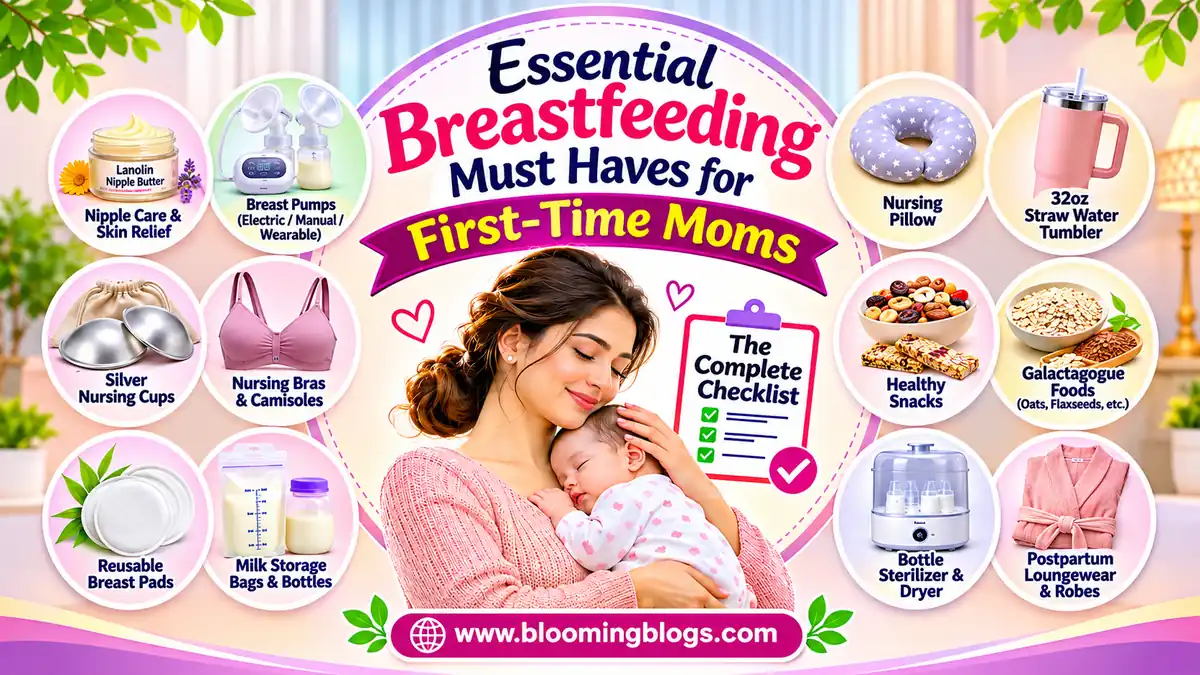
- 12. Essential Breastfeeding Must Haves for First-Time Moms
🛠️ Try Our Free Interactive Baby Care Tools
Planning your nursery or setting up daily routines? Check out these handy calculators designed to simplify baby care:
- Infant Sleep & Routine Calculator
- Formula & Feeding Ratio Guide
- Hospital Bag Checklist Tool
- Newborn Diaper Tracker
🌱 Continue Exploring…
Whether you’re nurturing a newborn, curating a sanctuary for your home and garden, or simply looking to level up your day-to-day life, there’s always a new perspective waiting to be discovered. From practical everyday parenting guidance, women’s wellness information, ideas to make your home more beautiful, tips for caring for pets and plants, or inspiration for your spiritual journey, Blooming Blogs brings useful knowledge together in one place.
Blooming Blogs — knowledge that blooms.
🌸 Blooming Blogs Promise
We’re here to bring you thoughtful, reliable, and helpful insights you can truly count on. Every article on Blooming Blogs is thoroughly researched, crafted with care, and written with genuine empathy to support you in your everyday journey. Your trust means everything to us, and we are dedicated to sharing content that informs, inspires, and makes your life a little easier.
📰 Editorial Notes
Our team strives for clarity, accuracy, and depth in every piece we publish. Content is periodically updated to ensure facts, recommendations, and guides stay relevant over time. While we consult trusted sources and expert research, our goal is always to present complex topics in a simple, practical, and conversational way that works for real life.
⚠️ Disclaimer
The content provided on Blooming Blogs is for informational and educational purposes only and should not be considered professional medical, legal, or financial advice. Always consult with a qualified expert or licensed professional before making decisions related to your health, family, or personal finances. Blooming Blogs is not liable for any actions taken based on the information provided on this website. (For full details, please visit our Disclaimer Policy Page).
💬 Share Your Experience — Leave a Comment
We’d love to hear from you! Did this article help you, or do you have a personal tip or story to share with our community? Drop your thoughts, questions, or feedback in the comment section below. Every voice enriches our community, and we read every single comment!