

Introduction
If your kids have ever pointed at a spotted big cat in a picture book and asked, “Mom, is that a jaguar, a leopard, or a cheetah?”—you are definitely not alone. Even adults mix up these magnificent cats! Whether you are helping with a school animal report, preparing for a zoo trip, or raising a budding wildlife biologist at home, learning about the jaguar opens the door to one of the most fascinating creatures on Earth.
Unlike lions or tigers that roam across Africa and Asia, the jaguar (Panthera onca) is the undisputed king of the Americas. Every year on November 29, wildlife lovers around the globe celebrate International Jaguar Day to honor this powerhouse predator and protect the rainforests it calls home. In this complete guide, we will explore what makes the jaguar so extraordinary, why International Jaguar Day matters, and the foolproof tricks to tell a jaguar apart from a leopard, cheetah, tiger, lion, and snow leopard.
The jaguar (Panthera onca) is the national animal of Guyana. 🇬🇾
What Is a Jaguar? (Quick Facts & Overview)
A jaguar (Panthera onca) is the largest wild cat native to the Americas and the third-largest big cat species in the world, after the tiger and the lion. Recognizable by its powerful, muscular build, golden-tan coat covered with distinctive rose-shaped spots called rosettes, and extraordinary swimming ability, the jaguar is also known for its exceptionally powerful bite force, one of the strongest among big cats. As an apex predator, it thrives in diverse habitats, including dense tropical rainforests, wetlands, and grasslands, ranging from northern Mexico to northern Argentina. Its remarkable strength, adaptability, and hunting skills make the jaguar one of the most formidable predators in the Americas.
Here is a quick snapshot of the jaguar at a glance:
- Scientific Name: Panthera onca
- Family: Felidae
- Order: Carnivora
- Genus: Panthera
- Where They Live: Central and South America (the largest population lives in the Amazon Basin and the Pantanal wetlands of Brazil)
- Weight: 120 to 210 pounds (56 to 96 kg), though large males in the Pantanal can top 300 pounds
- Length: 5.5 to 8 feet (including their 2-to-3-foot tail)
- Top Speed: Around 50 mph (80 km/h) in short bursts
- Lifespan: 12 to 15 years in the wild; up to 20+ years in human care
- Conservation Status: Near Threatened (IUCN Red List), with populations declining due to habitat loss
Where the Name Comes From: The word jaguar comes from the Indigenous Tupi-Guarani word yaguara, which translates to “he who kills with one leap.”
Why Is the Jaguar Unique Among Big Cats?
Most domestic cats hate getting their paws wet, and many wild cats avoid deep water. Not the jaguar! Jaguars are semi-aquatic powerhouses. They regularly swim across wide Amazon rivers, cool off in marshes, and hunt aquatic prey like caimans (alligator relatives), capybaras, fish, and river turtles.
Even more impressive is the jaguar’s jaw strength. Relative to its body size, the jaguar has the strongest bite of any big cat. While lions and tigers usually target an animal’s throat, a jaguar’s massive jaw muscles and stout canine teeth can pierce straight through turtle shells and armored caiman skulls.
What Is International Jaguar Day? 🌎
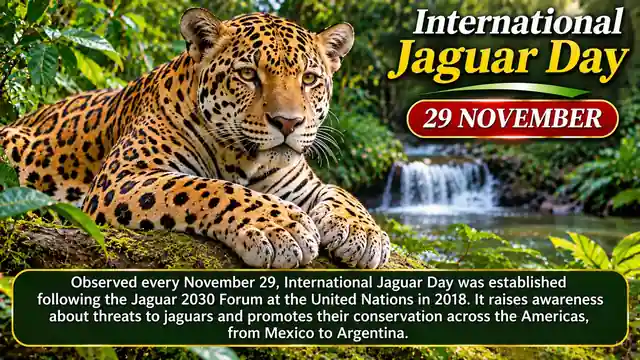
International Jaguar Day is celebrated every year on November 29 to remind people why jaguars need protection. The day encourages everyone to learn about these beautiful wild cats, protect their forest homes and support efforts to keep their populations safe. It also draws attention to the Jaguar Corridor, a network of natural habitats that helps jaguars move across different parts of the Americas.
The idea behind this special day took shape in 2018 when countries, wildlife experts and conservation groups came together to strengthen jaguar protection. Their shared goal was to make sure that jaguars could continue living in the wild without losing the natural spaces they depend on.
Jaguars are important to the environment because they help keep nature in balance. As top predators, they control the numbers of other animals in their food chain. They are also known as an umbrella species. This means that protecting the forests, rivers and wetlands where jaguars live can also help thousands of other living species. Birds, monkeys, frogs, fish and many plants benefit when these natural habitats remain healthy.
International Jaguar Day also highlights major threats to wildlife, including the destruction of forests, illegal hunting and the trafficking of wild animals. It encourages people to understand that saving a species means protecting the entire environment in which it lives.
Why Is International Jaguar Day in the News?
International Jaguar Day will be observed on November 29, 2026. This year’s observance brings attention to the need for countries and conservation organisations to work together to protect jaguars and the places they call home.
The international conservation movement behind this day reached an important milestone in November 2018. Representatives from 14 countries where jaguars are found joined hands with wildlife organisations to introduce the Jaguar 2030 Conservation Roadmap for the Americas. The announcement was made during the 14th Conference of the Parties to the Convention on Biological Diversity (CBD) in Sharm El-Sheikh, Egypt.
The roadmap brought a shared plan to protect jaguars across their natural range. It also highlighted the importance of keeping different forest areas connected so that jaguars can travel safely, search for food and find suitable places to breed.
November 29 was chosen as a special day to spread this message beyond conservation groups. It provides an opportunity to encourage public awareness, stronger international partnerships and practical action to protect wildlife habitats.
Jaguars are important not only to nature but also to the cultural heritage of many Indigenous communities in Central and South America. They have held a special place in local stories, beliefs, art and traditions for generations. International Jaguar Day recognises this connection and reminds us that protecting jaguars also means respecting the natural and cultural heritage associated with them.
Ultimately, the message of International Jaguar Day is simple: when we protect jaguars, we also help protect forests, rivers and countless other forms of life that share their home.
Jaguar vs. Other Big Cats: How to Tell Them Apart 🐾
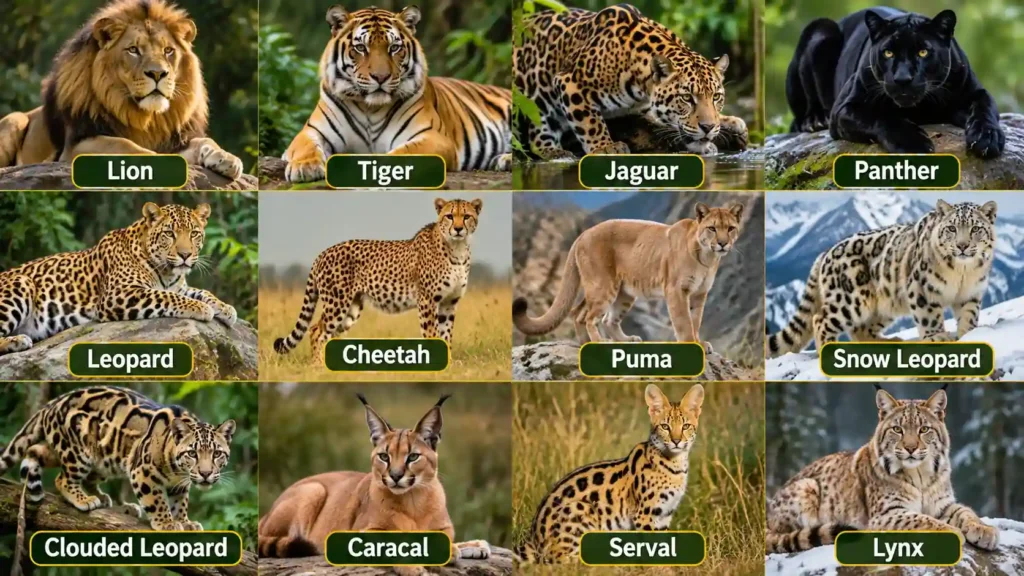
When comparing big cats, most people look at fur color first—and that is where confusion starts! Look instead at body shape, spot patterns, tail length, and geographic home.
1. Jaguar vs. Leopard: The Classic Lookalike Test
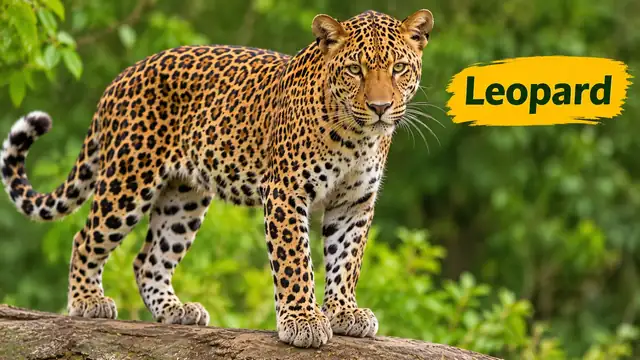
Jaguars and leopards look remarkably similar at first glance, as both have golden-yellow coats covered in rose-shaped rings called rosettes. However, three clues give them away instantly:
- Look Inside the Spots: A jaguar’s rosettes are larger and have small black dots inside the center of the ring. A leopard’s rosettes are smaller, packed closer together, and empty inside.
- Check the Build: Jaguars are built like bodybuilders—stocky, broad-chested, with large, blocky heads and shorter legs. Leopards are leaner, sleeker, and built for hauling heavy prey straight up into tall trees.
- Check the Map: Jaguars live in the Americas. Leopards live in Africa and Asia. They never meet in the wild!
2. Jaguar vs. Cheetah: Tank vs. Sports Car
Comparing a jaguar and a cheetah is like comparing a heavy-duty pickup truck to a Formula 1 race car.
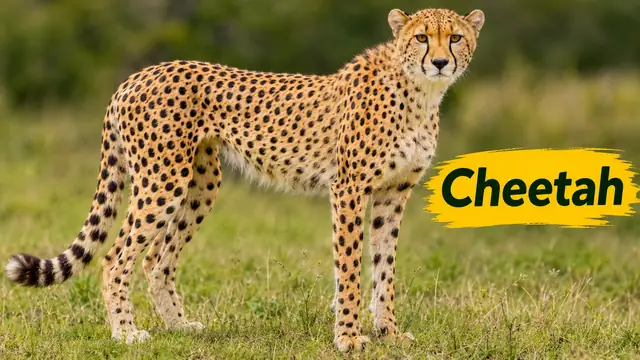
- Spots vs. Rosettes: Cheetahs do not have rosettes. They have solid, round or oval black polka-dot spots.
- The “Tear Marks”: Cheetahs have dramatic black lines running from the inner corners of their eyes down to their mouths (which help block sun glare during daytime hunts). Jaguars do not have tear lines.
- Body & Claws: Cheetahs are slender, long-legged, and built for sprinting up to 70–75 mph. They also have semi-retractable claws that grip the dirt like running cleats, and they purr rather than roar. Jaguars are heavy, muscular swimmers that roar loudly.
3. Jaguar vs. Tiger: Rosettes vs. Stripes
- Coat Pattern: Tigers are the largest of all wild cats and are instantly recognizable by their vertical dark stripes on orange-to-white fur—no two tigers have the exact same stripe pattern. Jaguars have rosettes.
- Size & Habitat: Siberian and Bengal tigers can weigh 400 to 660+ pounds—more than double an average jaguar—and live exclusively in Asia. Interestingly, both tigers and jaguars love swimming!
4. Jaguar vs. Lion: Forest Loner vs. Savanna Socialite
- Social Life: Lions are the only truly social big cats, living in family groups called prides. Jaguars are solitary animals that meet up mostly to mate or raise cubs.
- Appearance: Lions have plain, tawny-gold fur (though cubs have faint spots that fade) and adult males grow thick manes around their necks. Lions live primarily in African savannas (plus a small population in India’s Gir Forest).
5. Jaguar vs. Snow Leopard & Cougar (Mountain Lion)
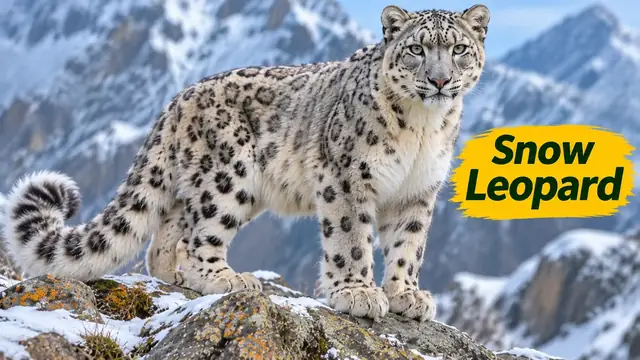
- Snow Leopard: Lives in the snowy mountains of Central Asia, has thick smoky-gray fur with hollow rosettes, and sports an extra-long, fluffy tail used for balance and warmth. Snow leopards cannot roar.
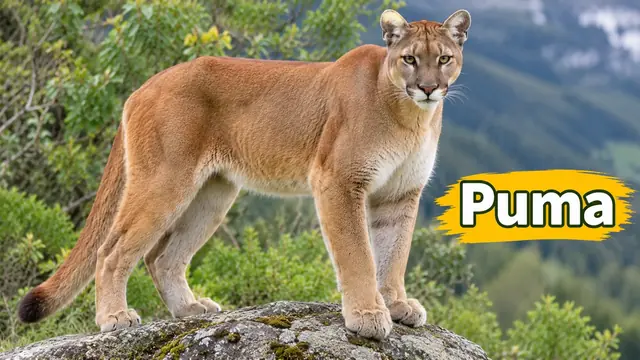
- Cougar (Puma / Mountain Lion): Often confused with jaguars because both live in the Americas! However, adult cougars have solid tan/brown fur with zero spots, a slimmer body, and belong to the small-cat subfamily (Felinae), meaning they purr and shriek instead of roaring.
Big Cat Comparison Chart: Jaguar vs. Leopard, Cheetah, Tiger, Lion & Cougar
| Feature | Jaguar (Panthera onca) | Leopard (Panthera pardus) | Cheetah (Acinonyx jubatus) | Tiger (Panthera tigris) | Lion (Panthera leo) | Cougar (Puma concolor) |
| Native Continent | North, Central & South America | Africa & Asia | Africa (tiny group in Iran) | Asia | Africa & India | North & South America |
| Coat Spot Pattern | Large rosettes with dots inside | Smaller rosettes without dots | Solid round black spots + face tear lines | Dark vertical stripes | Solid tawny gold (spotted as cubs) | Solid tan/gray-brown (no spots) |
| Body Build | Stocky, muscular, broad head | Sleek, agile, medium-heavy | Slender, aerodynamic, long legs | Massive, long, muscular | Tall, muscular; males have manes | Lean, long-tailed, muscular |
| Average Weight | 120–210 lbs (up to 300+ lbs) | 65–175 lbs | 75–140 lbs | 220–660+ lbs | 265–420 lbs | 115–220 lbs |
| Top Speed | ~50 mph | ~36–40 mph | 70–75 mph (fastest land mammal) | ~35–40 mph | ~50 mph (short bursts) | ~45–50 mph |
| Water Behavior | Loves water; strong swimmer | Avoids water unless needed | Avoids deep water | Loves water; strong swimmer | Avoids deep water | Can swim, usually avoids it |
| Can It Roar? | Yes | Yes | No (purrs & chirps) | Yes | Yes (loudest roar) | No (purrs, whistles & screams) |
Animals Jaguar: Where Does This Wild Animal Live?
Among the many wild animals found in the Americas, the jaguar holds a special place because of its strength, adaptability and hunting skills.
Jaguars are native to Central and South America, with their natural range extending from Mexico into northern Argentina. They live in different environments, including tropical rainforests, flooded forests, wetlands, grasslands and dry woodlands.
The Amazon rainforest is one of the most important natural habitats for jaguars. Brazil, Peru, Colombia, Bolivia and other countries in this region support important jaguar populations.
These animals generally prefer areas with thick vegetation, plenty of prey and access to water. They are solitary hunters and usually spend much of their time searching for food or resting in places where they can remain hidden.
Unfortunately, expanding farmland, roads, settlements and deforestation are reducing the natural spaces available to jaguars. Protecting these habitats is essential for their survival.
The following are some of the major habitats where jaguars are found.
1. Amazon Rainforest
The Amazon rainforest is one of the most important natural habitats for jaguars. Its vast forests, dense vegetation and extensive river systems provide suitable conditions for these big cats to survive. The region also supports a wide variety of wildlife, giving jaguars access to plenty of natural prey.
2. Pantanal Wetlands
The Pantanal is a vast tropical wetland ecosystem spread across parts of Brazil, Bolivia and Paraguay. It is well known for its rich wildlife and is an important habitat for jaguars. Its rivers, marshes, flooded grasslands and surrounding forests provide plenty of opportunities for hunting and resting. Jaguars living in this region are particularly comfortable around water and often hunt near riverbanks.
3. Tropical Forests
Tropical forests provide jaguars with natural shelter, food and suitable places for breeding. Their thick vegetation and tall trees offer protection from harsh weather and help these cats remain hidden while hunting. These forests also support many prey animals, making them valuable habitats for maintaining healthy jaguar populations.
4. Grasslands and Savannas
Jaguars can also live in grasslands and savannas, provided these areas have enough vegetation, water sources and suitable prey. They often use nearby trees, bushes and patches of woodland for shelter and protection. These open landscapes support different prey species and offer additional hunting opportunities for jaguars.
5. Dry Forests
Dry forests are another habitat where certain jaguar populations are found. Unlike tropical rainforests, these areas receive less rainfall and may experience long dry seasons. Jaguars living in these environments depend on available water sources, natural vegetation and local prey populations. Forest cover also provides places to rest, hide and move around while hunting.
Why Are Connected Habitats Important for Jaguars?
Jaguars need large territories to find food, establish their home ranges and reproduce. Connected natural landscapes allow them to move between different habitats and meet other members of their species. This movement also helps maintain genetic diversity and supports healthier populations.
However, deforestation, road construction, agriculture and expanding human settlements can divide large natural areas into smaller sections. Protecting forests, wetlands and wildlife corridors is therefore essential for the long-term survival of jaguars across the Americas.
Jaguars the Cat: What Makes This Big Cat Special?
Jaguars the cat are famous for their muscular appearance, spotted coats and unusually powerful jaws. Although they share some physical similarities with leopards, jaguars have several features that make them easy to distinguish.
The jaguar is the largest wild cat in the Americas and the third-largest big cat species in the world, after the tiger and the lion.
Its body is generally heavier and more muscular than that of a leopard. Jaguars also have broader heads, stronger shoulders and shorter, sturdier legs.
Their coat patterns provide another useful way to identify them. Jaguar rosettes are usually larger and often contain one or more small black spots inside the circular markings. Leopard rosettes generally do not have these central spots.
One of the most remarkable features of a jaguar is its bite. Its powerful jaws and large canine teeth allow it to pierce the skulls or protective shells of certain prey animals. This hunting ability makes it different from many other big cats.
Jaguars are also excellent climbers and swimmers. They can move through trees, cross rivers and hunt in different types of environments. Their ability to adapt to different habitats has helped them survive across a large part of the Americas.
However, these magnificent animals still depend on healthy forests, sufficient prey and connected natural habitats. Protecting these resources is essential for their future.
Jaguar and Panther: What Is the Difference?
The words jaguar and panther are often used together, but they do not always describe the same thing. This can create confusion among people who are learning about big cats.
A jaguar is a recognised animal species with the scientific name Panthera onca. A panther, on the other hand, is a common name that can refer to different big cats depending on the context.
The term black panther is commonly used for a jaguar or leopard with an unusually dark coat. This dark appearance is caused by a genetic condition called melanism, which results in increased dark pigmentation.
Here are some important differences to understand.
1. Jaguar: A jaguar is a naturally occurring big cat species found in the Americas. Most jaguars have golden or yellowish coats covered with black rosettes.
2. Black jaguar: A black jaguar is a melanistic form of the same species. It has a very dark coat, although its original rosette patterns may still be visible.
3. Black leopard: A black leopard is a melanistic leopard. Leopards are a different species and are naturally found across parts of Africa and Asia.
Therefore, a black panther can be either a melanistic jaguar or a melanistic leopard. The animal’s species depends on its biological characteristics, not simply its coat colour.
Understanding this difference makes it easier to identify these beautiful animals and learn about their natural variations.
Black Jaguar Cat: Appearance, Characteristics and Special Features
The black jaguar cat is one of the most fascinating colour variations found among big cats. Its nearly black appearance makes it look quite different from the familiar golden-coloured jaguar.
This unusual coat colour is caused by melanism, a genetic condition that increases the amount of dark pigment called melanin in the animal’s skin and fur.
Although black jaguars appear almost completely dark, they still have the characteristic rosette markings found on ordinary jaguars. These markings are often difficult to notice because they blend into the dark coat. Under suitable lighting, however, the patterns become much easier to see.
Black jaguars are not a separate species or a different type of wild cat. They belong to the same species, Panthera onca, and share the same physical characteristics and hunting abilities as other jaguars.
Their diet includes many of the same animals eaten by normally coloured jaguars, such as deer, capybaras, peccaries, fish and reptiles.
Melanism is a natural genetic variation, not a disease. It is particularly interesting to wildlife researchers because it shows how different coat colours can occur within the same animal species.
Black jaguars are also sometimes called black panthers, but this name should not be confused with a separate animal species.
Where Are Black Jaguars Found?
Black jaguars are found in parts of Central and South America, where natural forests and other suitable habitats support jaguar populations. They are particularly associated with certain humid and densely forested regions.
The frequency of melanism is not equal across all regions. Research suggests that darker jaguars are recorded more frequently in some dense forest environments than in certain open landscapes.
Their dark coats may provide camouflage in shaded surroundings, although scientists continue to study the ecological benefits of this colour variation.
Like other jaguars, black jaguars need sufficient prey, clean water and large areas of natural habitat. Deforestation and human disturbance can therefore affect them just as seriously as other members of their species.
Why Are Jaguar Endangered? Major Threats to Their Survival
Jaguars are powerful predators, but even these impressive animals cannot easily survive when their natural surroundings disappear. Several human activities are putting pressure on jaguar populations across the Americas.
Understanding these threats is important because effective conservation begins with identifying the problems that affect wildlife.
1. Deforestation and Habitat Destruction
The destruction of forests is one of the biggest problems for jaguars. Large areas of natural vegetation are cleared to create farmland, cattle ranches, roads, mines and human settlements.
When forests disappear, jaguars lose their hunting grounds, resting places and breeding habitats. They may also be forced to move closer to villages and agricultural areas in search of food.
2. Human-Wildlife Conflict
Jaguars sometimes attack cattle and other livestock, particularly when their natural prey becomes scarce or their habitats are disturbed.
For farmers and livestock owners, losing animals can create serious financial problems. As a result, some jaguars are killed in retaliation.
Conservation programmes are working with local communities to find safer ways to protect livestock and reduce these conflicts.
3. Illegal Hunting and Wildlife Trafficking
Illegal hunting remains another concern for jaguar conservation. These animals may be targeted for their teeth, skins and other body parts.
Although international trade restrictions exist, illegal wildlife trafficking continues to threaten some populations.
Better law enforcement, public awareness and cooperation between countries are important for controlling this activity.
4. Declining Natural Prey
Jaguars depend on a healthy supply of wild animals for food. Their natural prey includes capybaras, deer, peccaries, armadillos and other mammals.
When people hunt these animals excessively or destroy their habitats, the available food supply for jaguars can decline.
This may force jaguars to travel farther to find food and sometimes increases the risk of conflict with livestock owners.
5. Roads and Habitat Fragmentation
Road construction, agriculture and expanding settlements can divide large natural habitats into smaller sections.
This problem is known as habitat fragmentation. It makes it difficult for jaguars to move safely between different areas.
Disconnected populations may also have fewer opportunities to find breeding partners, which can affect their long-term genetic health.
6. Climate and Environmental Changes
Changes in rainfall, temperature and water availability can affect the natural environments where jaguars live.
Floods, droughts and other environmental pressures may change the distribution of prey and suitable habitats. These changes can create additional difficulties for already vulnerable populations.
How Can We Help Protect Jaguars?
Protecting jaguars requires cooperation between governments, conservation organisations, scientists and local communities.
- Protecting existing forests and restoring damaged wildlife habitats can provide safe places for jaguars to live.
- Supporting wildlife corridors can help animals move between separated habitats.
- Preventing illegal hunting and wildlife trafficking can reduce direct threats to jaguar populations.
- Supporting responsible farming practices can help reduce conflicts between jaguars and livestock owners.
- Spreading awareness about jaguar conservation can encourage more people to understand the importance of protecting wildlife.
The future of jaguars depends on the choices people make today. By protecting their natural habitats and reducing human-related threats, we can help ensure that these magnificent cats continue to survive in the wild.
Is the Jaguar Found in India? Understanding the Difference Between Jaguars and Indian Wild Cats
No, jaguars are not naturally found in India. The jaguar (Panthera onca) is native to Central and South America, where it lives in tropical rainforests, wetlands, grasslands and other natural habitats. It does not belong to India’s native wildlife.
However, India is home to several fascinating wild cat species. Some are closely related to jaguars, while others have different physical features and live in completely different environments.
Here are six important wild cat species found in India.
1. Bengal Tiger (Panthera tigris)
The Bengal tiger is India’s national animal and one of the largest wild cats in the world. It has an orange coat with distinctive black stripes, a powerful body and strong hunting abilities. It lives in forests, grasslands and mangrove habitats across parts of India.
2. Asiatic Lion (Panthera leo persica)
The Asiatic lion is a rare lion subspecies found naturally in India’s Gir landscape in Gujarat. It is slightly different in appearance from African lions and is recognised by a noticeable fold of skin along its belly. Conservation efforts have helped protect this important population.

3. Indian Leopard (Panthera pardus fusca)
The Indian leopard is a highly adaptable wild cat found in forests, grasslands, rocky landscapes and some areas close to human settlements. Its golden-yellow coat is covered with dark rosette-shaped markings, which sometimes make it look similar to a jaguar. However, the Indian leopard and jaguar are two separate species.
4. Snow Leopard (Panthera uncia)
The snow leopard is a beautiful mountain cat that lives in the cold, rugged regions of the Himalayas. It has thick greyish fur, dark spots, powerful legs and a long, bushy tail that helps it maintain balance on rocky slopes. Its thick coat protects it from freezing temperatures.
5. Clouded Leopard (Neofelis nebulosa)
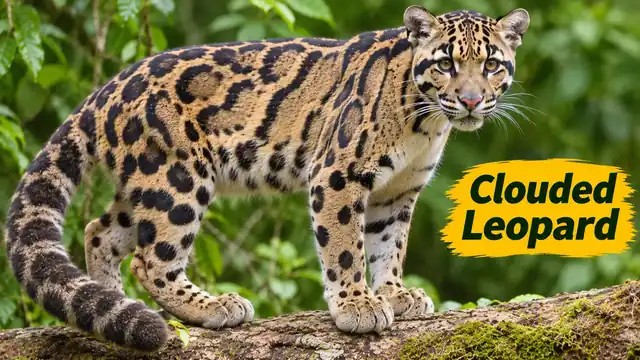
The clouded leopard is a forest-dwelling wild cat known for its unusual cloud-shaped coat markings. It is found in parts of Northeast India, where dense forests provide suitable shelter and hunting grounds. It is an excellent climber and spends much of its time in trees.
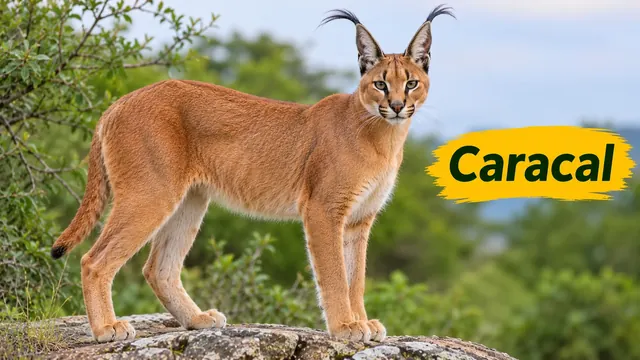
6. Caracal (Caracal caracal)
The caracal is a medium-sized wild cat recognised by its long, pointed ears with distinctive black tufts. It has a reddish-brown coat, strong legs and remarkable jumping ability. In India, it is rare and mainly associated with dry grasslands, scrublands and open landscapes.
Jaguar vs Indian Leopard: What Is the Difference?
The Indian leopard is sometimes mistaken for a jaguar because both animals have golden coats covered with dark rosette patterns. However, there are several differences between them.
Jaguars generally have a heavier, more muscular body, a broader head and larger rosettes that often contain small black spots inside. Leopards usually have a slimmer body, a smaller head and rosettes without central spots.
Their natural geographical ranges are also different. Jaguars are native to the Americas, while Indian leopards live across parts of the Indian subcontinent.
Although these two big cats share some physical similarities, they are distinct species with different natural distributions and characteristics.
Interesting fact: India does not have wild jaguars, but it is home to several remarkable members of the big cat family. Protecting these native species is an important part of preserving the country’s rich wildlife heritage.
Jaguar Conservation: International Protection, Global Initiatives and Future Actions
Jaguars face several threats in their natural habitats, making international cooperation important for their long-term survival. Governments, wildlife organisations and local communities are working together to protect jaguar populations, preserve forests and reduce illegal wildlife trade.
1. International Conservation Status and Legal Protection
The jaguar (Panthera onca) receives protection through several international wildlife conservation agreements. These frameworks help countries coordinate their efforts to protect the species and its natural habitats.
| Conservation framework | Status or protection |
|---|---|
| IUCN Red List | Near Threatened |
| CITES | Appendix I |
| Convention on Migratory Species (CMS) | Appendices I and II |
| Scientific name | Panthera onca |
IUCN Red List: The International Union for Conservation of Nature classifies the jaguar as Near Threatened globally. However, some regional populations face much greater risks of extinction.
CITES Appendix I: Jaguars are listed in Appendix I of the Convention on International Trade in Endangered Species of Wild Fauna and Flora (CITES). This provides strict protection against international commercial trade in wild-caught jaguars and their body parts, with limited exceptions under the Convention.
Convention on Migratory Species (CMS): The jaguar is included in Appendices I and II of CMS. This listing encourages countries to work together to protect jaguar populations, maintain connected habitats and support conservation across international borders.
2. Major International Jaguar Conservation Initiatives
Several international programmes focus on protecting jaguars and maintaining the natural environments they need to survive.
1. Jaguar 2030 Conservation Roadmap
The Jaguar 2030 Conservation Roadmap for the Americas was launched in November 2018 through cooperation between 14 jaguar-range countries and international conservation organisations.
The initiative provides a shared plan to protect jaguar populations, reduce habitat destruction and strengthen conservation efforts across the Americas. It also encourages governments and organisations to work together towards long-term protection of the species.
2. Jaguar Corridor Initiative
The Jaguar Corridor Initiative focuses on protecting and connecting natural habitats across the jaguar’s geographical range.
These wildlife corridors allow jaguars to move between different forest areas, search for food and find breeding partners. Maintaining these connections also helps support genetic diversity and healthier populations.
3. CITES and International Wildlife Trade Protection
CITES plays an important role in controlling international trade involving jaguars and their body parts. Its Appendix I listing provides strong restrictions on commercial international trade in these animals.
This protection also supports efforts to combat illegal wildlife trafficking and discourage the demand for products made from endangered wild animals.
4. Role of International Conservation Organisations
Several international organisations contribute to jaguar conservation through scientific research, habitat protection, wildlife monitoring and community-based programmes.
Important organisations include the United Nations Development Programme (UNDP), United Nations Environment Programme (UNEP), World Wide Fund for Nature (WWF), Wildlife Conservation Society (WCS) and Panthera.
Their work supports conservation planning, protects important wildlife habitats and encourages local communities to participate in protecting jaguars.
3. How Can We Strengthen Jaguar Conservation?
Protecting jaguars requires long-term efforts involving governments, conservation experts, local communities and wildlife organisations. The following actions can make an important difference.
1. Protect and Restore Natural Habitats
Preventing deforestation and restoring damaged forests can provide jaguars with safe places to hunt, rest and reproduce. Protecting rivers, wetlands and surrounding vegetation is equally important.
2. Maintain Wildlife Corridors
Connecting separated forests allows jaguars to move between different habitats. These natural pathways help animals find food, reach breeding areas and maintain genetic diversity.
3. Encourage Community Participation
Local and Indigenous communities play an important role in wildlife protection. Including their knowledge and experiences in conservation planning can help create practical and lasting solutions.
4. Reduce Human-Wildlife Conflict
Better livestock protection, early-warning systems and suitable compensation programmes can help reduce conflicts between jaguars and farmers. These measures can also prevent retaliatory killings.
5. Control Illegal Wildlife Trade
Stronger law enforcement, international cooperation and regular monitoring are necessary to prevent illegal hunting and trafficking of jaguar body parts.
6. Improve Scientific Research and Monitoring
Camera traps, satellite tracking, wildlife surveys and genetic studies help researchers understand jaguar populations, movement patterns and habitat conditions. This information allows conservation organisations to identify areas that need greater protection.
How Many Jaguars Are Left in the World? Country-Wise Population and Distribution
The jaguar (Panthera onca) is the largest wild cat in the Americas and the third-largest big cat in the world. According to widely cited scientific estimates, approximately 173,000 jaguars live in the wild across Central and South America and parts of North America.
However, this is not an exact count of the current population. The figure comes from a scientific population study published in 2018, and reliable, updated national estimates are not available for every country. Mexico, for example, reported a newer national estimate of 5,326 jaguars in 2024.
Brazil has the world’s largest jaguar population, followed by Peru and Colombia. Most jaguars live in the Amazon Basin, while smaller populations survive in other forests, wetlands and grasslands.
Estimated Jaguar Population by Country
The following figures are based mainly on the 2018 scientific population assessment by Jędrzejewski and colleagues. They represent modelled estimates, not current individual animal counts.
| Country / territory | Estimated jaguars |
|---|---|
| Brazil | 86,834 |
| Peru | 22,210 |
| Colombia | 16,598 |
| Bolivia | 12,845 |
| Venezuela | 11,592 |
| Guyana | 4,356 |
| Mexico | 4,343* |
| Suriname | 3,190 |
| Ecuador | 1,969 |
| French Guiana | 1,602 |
| Paraguay | 1,589 |
| Nicaragua | 1,476 |
| Honduras | 1,218 |
| Guatemala | 1,013 |
| Panama | 869 |
| Costa Rica | 571 |
| Belize | 563 |
| Argentina | 314 |
| Total | 173,151 |
Source: Jędrzejewski et al. (2018), country-wise population modelling. *Mexico’s newer 2024 national estimate is 5,326 jaguars.
Jaguar Distribution: Important Country-Wise Notes
1. Brazil: Home to approximately half of the world’s jaguars, mainly across the Amazon rainforest and Pantanal wetlands.
2. Peru: Supports the second-largest population, particularly in the Amazon rainforest.
3. Colombia: Important jaguar habitats include the Amazon, Orinoco and surrounding forest landscapes.
4. Bolivia: Supports significant populations in the Amazon, Pantanal and Gran Chaco regions.
5. Venezuela: Jaguars inhabit forests, wetlands and grasslands, although several populations face conservation pressure.
6. Mexico: Its 2024 national census estimated 5,326 jaguars, showing an increase compared with earlier surveys.
7. Other countries: Jaguars also survive in Argentina, Belize, Costa Rica, Ecuador, El Salvador’s former range, French Guiana, Guatemala, Guyana, Honduras, Nicaragua, Panama, Paraguay and Suriname. They are considered extinct in the wild in El Salvador and Uruguay.
8. United States: Jaguars are extremely rare. Occasional individual animals have been recorded in the southwestern states, generally arriving from Mexico.
Important Population Facts
The global estimate of 173,000 should be treated as a scientific baseline rather than a verified 2026 population count. The actual number today is uncertain.
Brazil remains the most important country for jaguar conservation because of its enormous Amazonian habitat. Protecting connected forests, controlling illegal hunting and reducing human-wildlife conflict are essential for the species’ survival.
Frequently Asked Questions (FAQs) About Jaguars and Big Cats
1. What is a jaguar?
A jaguar (Panthera onca) is the largest wild cat native to the Americas and the third-largest big cat in the world. It is famous for its muscular body, spotted coat, powerful jaws and excellent swimming ability.
2. What is the scientific name of the jaguar?
The scientific name of the jaguar is Panthera onca. It belongs to the Felidae family, which includes lions, tigers, leopards and other wild cats.
3. When is International Jaguar Day celebrated?
International Jaguar Day is celebrated every year on November 29 to raise awareness about jaguar conservation, habitat protection and the importance of preserving wildlife corridors.
4. When was International Jaguar Day started?
International Jaguar Day was established in 2018 as part of an international effort to protect jaguars and their natural habitats across the Americas.
5. What is the Jaguar 2030 Conservation Roadmap?
The Jaguar 2030 Conservation Roadmap for the Americas is an international conservation plan launched in November 2018. It brings together jaguar-range countries and conservation organisations to protect 30 priority jaguar landscapes by 2030 and strengthen the Jaguar Corridor.
6. What is the IUCN conservation status of the jaguar?
The jaguar is classified as Near Threatened on the IUCN Red List. However, several regional populations face more serious risks, including Endangered and Critically Endangered classifications.
7. Which country has the jaguar as its national animal?
The jaguar is recognised as the national animal of Guyana. It also appears on the country’s Coat of Arms as a symbol associated with strength and national identity.
8. Why is the jaguar important for the ecosystem?
Jaguars are apex predators that help control prey populations and maintain a natural balance in their ecosystems. They are also considered an umbrella species because protecting their large habitats benefits many other plants and animals.
9. Where do jaguars live in the wild?
Jaguars live across parts of Central and South America, ranging from Mexico to northern Argentina. They inhabit rainforests, wetlands, grasslands, savannas and dry forests.
10. Are there jaguars found in India?
No. Jaguars are not native to India. They naturally live in the Americas. India is home to other wild cats, including Bengal tigers, Indian leopards, Asiatic lions and snow leopards.
11. What is the difference between a jaguar and a cheetah?
Jaguars have muscular bodies and rosette-shaped spots, while cheetahs have slim bodies, solid black spots and distinctive black tear marks on their faces. Jaguars are powerful ambush hunters, whereas cheetahs are famous for their running speed.
12. Is a jaguar a tiger or a cat?
A jaguar is a wild cat, not a tiger. Both belong to the genus Panthera, but they are separate species. Jaguars are native to the Americas, while wild tigers live in Asia.
13. What is the difference between a jaguar and a leopard?
Jaguars are generally heavier and more muscular than leopards. Their rosettes often contain smaller black spots inside, while leopard rosettes usually have empty centres. Jaguars live in the Americas, whereas leopards are found in Africa and Asia.
14. Are jaguars bigger than leopards?
Yes. Jaguars are generally heavier and more muscular than leopards, although their sizes vary depending on their geographical region, sex and food availability.
15. Is a jaguar a black panther?
Not every jaguar is a black panther. A black jaguar is a melanistic jaguar with unusually dark fur. The term black panther can also refer to a melanistic leopard.
16. Are black panthers real?
Yes. Black panthers are real animals, but they are not a separate species. They are usually melanistic leopards or jaguars with dark coats caused by a genetic variation.
17. What is a black jaguar animal?
A black jaguar is a jaguar with melanism, a genetic condition that increases dark pigmentation in its fur. Its original rosette markings remain present but are difficult to see against the dark coat.
18. Can you see spots on a black jaguar?
Yes. The rosette patterns are still present on a black jaguar’s coat. They become more visible when light falls on its fur from certain angles.
19. Where are black jaguars found?
Black jaguars occur in parts of Central and South America, particularly in some tropical forest regions. The Amazon rainforest is one of the important areas where melanistic jaguars are found.
20. What is the difference between a black jaguar and a black panther?
A black jaguar is a melanistic jaguar, while black panther is a general name for a dark-coated jaguar or leopard. Therefore, a black jaguar can also be called a black panther.
21. What does a jaguar look like?
A jaguar has a powerful body, broad head, strong legs and a golden-yellow or tan coat covered with black rosettes. Some individuals have completely dark-looking coats due to melanism.
22. What is the weight of a jaguar?
Adult jaguars generally weigh around 45–120 kg, although exceptionally large individuals can weigh more. Males are usually heavier than females, and body size varies between regions.
23. How big can a jaguar grow?
Adult jaguars generally measure around 1.1–1.8 metres in head-and-body length, with an additional tail measuring approximately 45–75 cm. Their size varies depending on sex and geographical location.
24. What is the largest big cat in the world?
The tiger is the largest living wild cat species in the world. The lion is generally ranked second and the jaguar third.
25. How many jaguars are left in the world?
A widely cited scientific estimate suggests that approximately 173,000 jaguars lived in the wild. This estimate was published in 2018 and should not be treated as an exact current population count.
26. Which country has the largest jaguar population?
Brazil has the largest jaguar population in the world. Its Amazon rainforest and Pantanal wetlands provide important habitats for these big cats.
27. What is the Jaguar Corridor?
The Jaguar Corridor is a network of connected natural habitats across the Americas. It helps jaguars move between different populations, find breeding partners and maintain genetic diversity.
28. What is the main difference between a jaguar and a panther?
A jaguar is a recognised animal species, while panther is a common name that can refer to different big cats. In particular, black panther describes a melanistic jaguar or leopard.
29. Do jaguars live in Africa?
No. Wild jaguars are native to the Americas. Africa is home to other large cats, including lions, leopards and cheetahs.
30. Do jaguars live in the United States?
Jaguars are extremely rare in the United States. Individual animals, usually males, have occasionally been recorded in southern Arizona after moving north from Mexico.
31. Do jaguars live in the Amazon rainforest?
Yes. The Amazon rainforest is one of the most important natural habitats for jaguars and supports the largest remaining continuous population of the species.
32. What is the best place to see wild jaguars?
The Pantanal wetlands in Brazil are among the best places to observe wild jaguars. The region offers good opportunities for sightings, particularly along riverbanks.
33. What do jaguars eat?
Jaguars are carnivores that eat a wide variety of animals, including capybaras, deer, peccaries, caimans, turtles, fish, monkeys and other available prey.
34. Do jaguars like water?
Yes. Jaguars are excellent swimmers and often enter rivers, lakes and wetlands to cool themselves, cross waterways and hunt aquatic animals.
35. How strong is a jaguar’s bite?
Jaguars have exceptionally powerful jaws and one of the strongest bites relative to body size among big cats. Their bite can pierce turtle shells and the skulls of certain prey animals.
36. How fast can a jaguar run?
Jaguars can reach an estimated top speed of around 80 km/h in short bursts. However, they generally depend on stealth and surprise rather than long-distance chasing.
37. Can jaguars climb trees?
Yes. Jaguars are capable climbers and may use trees for resting, observing their surroundings and reaching suitable places to hide.
38. Can jaguars roar?
Yes. Jaguars belong to the genus Panthera and can produce a deep, rough vocalisation often described as a roar or cough-like call.
39. Do jaguars purr?
Jaguars cannot produce the continuous purring sound typical of domestic cats. However, they communicate through several other sounds, including growls, grunts and chuffing calls.
40. How long do jaguars live?
Wild jaguars generally live around 12–15 years, although their lifespan varies. Jaguars living under human care may survive longer.
41. Are jaguars solitary animals?
Yes. Adult jaguars usually live and hunt alone. They come together mainly for mating, while females raise their cubs independently.
42. How many babies does a female jaguar have?
A female jaguar generally gives birth to one to four cubs in a litter. The average litter usually contains two cubs.
43. How long do jaguar cubs stay with their mother?
Jaguar cubs usually remain with their mother for approximately 18–24 months. During this time, they learn important hunting and survival skills.
44. Are jaguar cubs born with spots?
Yes. Jaguar cubs are born with dark spots on their coats. Their markings become more noticeable as they grow.
45. Do jaguars target humans?
Jaguars do not normally consider humans their natural prey and generally avoid people. However, they are powerful wild predators and can be dangerous if threatened, cornered or disturbed.
46. Has a jaguar ever killed a human?
There have been documented cases of jaguars attacking and killing humans, although such incidents are uncommon. People should always maintain a safe distance from wild jaguars.
47. What is a jaguar’s worst enemy?
Adult jaguars have very few natural predators because they are apex predators. Their greatest threats come from human activities, including habitat destruction, illegal hunting and conflict with livestock owners.
48. Who bites harder, a tiger or a jaguar?
Both animals have extremely powerful bites. Jaguars are known for their exceptionally strong bite relative to body size, while tigers have much larger bodies and powerful jaws. Direct bite-force comparisons depend on the measurement method.
49. What is the difference between a jaguar and a cougar?
Jaguars have spotted coats, broad heads and muscular bodies. Cougars, also called mountain lions or pumas, have plain tan coats, slimmer bodies and longer tails. Both species are native to the Americas.
50. Which is bigger, a jaguar or a cougar?
Jaguars are generally heavier and more muscular than cougars. However, their body sizes overlap depending on the individual animal and geographical region.
51. What is the difference between a jaguar and a snow leopard?
Jaguars have golden or tan coats with dark rosettes and live in the Americas. Snow leopards have thick grey-white fur, long bushy tails and live in the mountainous regions of Central and South Asia.
52. What is the difference between a jaguar and a tiger?
Jaguars have rosette-shaped spots, while tigers have dark vertical stripes. Jaguars are native to the Americas, whereas tigers live in Asia. Tigers are also generally much larger.
53. Why are jaguars called an umbrella species?
Jaguars need large areas of healthy natural habitat to survive. Protecting these landscapes also helps safeguard many other species that share the same forests, wetlands and grasslands.
54. Why are jaguars important to the rainforest?
Jaguars help maintain the natural balance of rainforest ecosystems by controlling prey populations. Their conservation also protects many other animals and plants living in the same environment.
55. What is the biggest threat to jaguars?
Habitat destruction and fragmentation are among the biggest threats to jaguars. Deforestation, farming, road construction, illegal hunting and human-wildlife conflict also put pressure on their populations.
56. Are jaguars affected by illegal hunting?
Yes. Jaguars are sometimes hunted illegally for their teeth, skins and other body parts. Illegal wildlife trade and retaliatory killings can threaten local populations.
57. How do scientists identify individual jaguars?
Researchers use camera traps to photograph jaguars and study their unique rosette patterns. These markings work like natural identification patterns and help scientists monitor individual animals.
58. How does cattle ranching affect jaguars?
Clearing forests for cattle ranching destroys natural habitats. Jaguars may also attack livestock when wild prey becomes scarce, sometimes leading to retaliatory killings by farmers.
59. How can people help protect jaguars?
People can support responsible conservation organisations, protect forests, avoid wildlife products, spread awareness and encourage farming practices that reduce conflicts between jaguars and local communities.
60. How can families celebrate International Jaguar Day?
Families can celebrate November 29 by learning about jaguars, reading wildlife books, watching educational nature documentaries, creating conservation posters and supporting reputable wildlife protection programmes.
Conclusion
The survival of jaguars depends on protecting their natural habitats and reducing the threats caused by human activities. International agreements, conservation programmes and community participation all have important roles to play.
By protecting jaguars, we also help preserve the forests, wetlands and rich biodiversity of the Americas for future generations.
Further Reading and Conservation References
- IUCN Cat Specialist Group – Jaguar
- WWF – Jaguar Facts, Habitat and Conservation
- Panthera – Jaguar Conservation
- Jaguar 2030 Conservation Roadmap
- Convention on Migratory Species – Jaguar Conservation
- Government of Guyana – National Symbols and Coat of Arms
Disclaimer
The information provided in this article about jaguars (Panthera onca), their habitats, behaviour, conservation status and wildlife protection is intended for general educational and informational purposes only.
We have made reasonable efforts to present accurate and useful information using available wildlife research, conservation publications and other relevant resources. However, animal populations, scientific findings and conservation classifications may change over time. Readers are encouraged to consult authoritative organisations such as the International Union for Conservation of Nature (IUCN), World Wide Fund for Nature (WWF), Panthera and other recognised wildlife conservation authorities for the latest information.
Images, examples and descriptions used for educational purposes should not be considered a substitute for scientific research or expert guidance. Information about wild animal behaviour should also not be used as encouragement to approach, touch, feed or interact with dangerous wildlife.
Blooming Blogs does not guarantee the completeness or accuracy of every detail and accepts no responsibility for decisions or actions taken solely on the basis of this article.
Our aim is to promote wildlife awareness, environmental responsibility and the importance of protecting jaguars and their natural habitats.
Thank you for reading Blooming Blogs – Knowledge that blooms.