


Introduction
Watching your baby grow brings new surprises every single day. Tracking newborn milestones month by month helps you understand how your little one learns, moves, and connects with you. From that very first social smile to rolling over and babbling, every small step marks big progress in early child development.
As a parent, you might wonder if your baby is on track. Every child grows at their own unique pace. However, knowing the key milestones of a newborn gives you peace of mind and helps you support their growth.
This guide breaks down all the essential infants developmental stages into a simple timeline. You will learn what skills to look for, how to encourage healthy pediatric development at home, and when to check in with your doctor. Let us explore your baby’s exciting journey together.
What to Expect in the First Three Months
Early days with a newborn often feel like a nonstop loop of feeding, diaper changes, and soothing. Soon, clear signs of growth start appearing as your baby adapts to life outside the womb and moves through early infants developmental stages.
Early Senses and Movement in Months One to Three
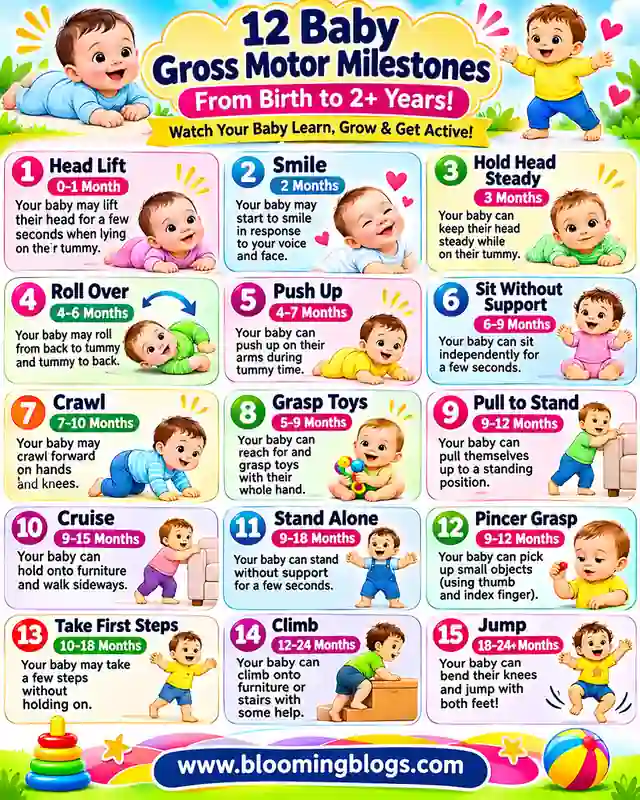
- Building body and hand control: Newborn movements start out jerky, then grow smoother over the first two months as neck strength builds. Around two months, your baby can hold their head steady when you support them, and by three months, most babies prop up on their elbows to lift their head and chest during tummy time while opening and closing hands to grab toys and bring them to their mouth.
- Responding to sounds: Newborns hear sounds right away without knowing what they mean. By one month, your baby may turn toward familiar voices or noises, and by three months, they may react with excitement or quiet down to listen closely when you speak.
- Focusing eyes and smiling: Faces grab a baby’s attention first during the opening three months. Over time, your baby tracks moving objects across their line of sight, looks farther out, smiles back at smiles around two months, makes clear eye contact by month three, and starts telling colors apart.
- Communicating beyond cries: Caregivers’ touch, tone, and expressions shape how a baby takes in the world, though crying leads early communication. By two months, cooing and vowel sounds often appear during gentle chats, and around month three, your baby may try squeaks, growls, or raspberries, mimic sounds, and smile when they hear your voice.
Ways to Encourage Early Growth and Bonding
Your bond with your baby anchors healthy child development. Trust yourself as you learn your baby’s cues, and care for your own well-being too. Feeling emotionally up and down in the first month is common—rest when possible, keep up small things you enjoy, and accept help with chores or baby care. Reach out to your healthcare provider if deep sadness sets in or lasts more than a few weeks.
- Hold and cuddle often: Skin-to-skin contact and loving touch support early brain growth and help your baby feel safe, letting tiny fingers wrap around yours or tap your face.
- Talk, sing, and read daily: Meet your baby’s gaze, shift your facial expressions and tone, sing songs, read aloud, and answer coos and gurgles to build early language skills.
- Spark curiosity gently: Offer textured toys or bold patterns and try brief, supervised tummy-time play using a fun sound to encourage head lifting—even if your baby fusses a bit at first—before placing them on their back to sleep when tired.
- Watch for overstimulation: Because everything feels brand new, too much activity can overwhelm a baby. Crying, turning away, or arching the back can signal a need for quiet downtime.
- Respond warmly to crying: Crying often peaks around six weeks and eases gradually afterward. Answering cries promptly builds trust and confidence rather than spoiling your baby, and sometimes simply staying close helps them cope when nothing else calms them—so never take crying as a sign that you are failing.
Your Baby at 2 Months: Newborn Milestones Month by Month – Growth and Development
By eight weeks, your little one wakes up to the world and responds more clearly to familiar voices and faces. Tracking these 2 month old infant changes helps you follow newborn milestones month by month with confidence.
Social and Emotional Skills at 2 Months
- Settling with comfort: Your baby quiets down when you speak gently or lift them into your arms.
- Studying faces: They hold eye contact and look closely at your face during quiet moments.
- Greeting you: Your baby lights up and acts glad whenever you walk over to them.
- Returning smiles: They smile back when you grin or chat with them.
Language and Communication Skills at 2 Months
- Beyond crying: Your baby experiments with soft coos and gentle throat sounds instead of only crying.
- Noticing loud noises: They blink, startle, or turn slightly when a sudden loud noise happens nearby.
Thinking and Learning Skills at 2 Months
- Following movement: Your baby’s eyes track you as you walk across the room.
- Focusing on objects: They lock their gaze onto a nearby toy for several seconds at a time.
Movement and Physical Skills at 2 Months
- Lifting the head: During tummy play, your baby raises their head off the mat briefly.
- Active arms and legs: They kick both legs and wave both arms smoothly.
- Relaxing tight fists: Your baby starts uncurling their fingers and opening their hands for short moments.

Daily Ways to Support Your 2-Month-Old
- Answer their coos: Smile, show excitement, and chat back whenever your baby makes noises so they learn how conversation flows.
- Share words and songs: Talk, sing, and read aloud each day to build early child development and language roots.
- Offer plenty of cuddles: Hold and comfort your baby often so they feel secure; loving attention never spoils a young infant.
- Stay present without screens: Put phones and screens aside during awake time so your baby gets your full face-to-face focus.
- Look after yourself too: Rest when you can and ask for help, because caring for yourself makes parenting much easier.
- Learn their mood signals: Watch whether your baby wants to play by making eye contact or needs a quiet break by yawning and turning away.
- Practice supervised tummy play: Place your baby belly-down while awake with colorful toys at eye level, and always stay right beside them. When they grow drowsy, move them onto their back on a firm, bare sleep mattress with zero blankets, pillows, bumpers, or toys.
- Stick to breast milk or formula: Feed only breast milk or infant formula for roughly the first half-year, skipping water, juice, and solid foods for now.
- Spot hunger and fullness signs: Feed when your baby sucks on hands, roots toward you, or smacks their lips, and stop when they seal their mouth or turn away.
- Stay calm during crying spells: Never shake a baby, as shaking causes severe brain injury or worse. If crying feels overwhelming, place your baby safely in their crib, step out for a breather, and check back every five to ten minutes.
- Keep predictable daily rhythms: Regular feeding and nap patterns help your baby feel safe as they move through early infants developmental stages.
Your Baby at 4 Months: Newborn Milestones Month by Month – Growth and Development
At four months, your baby loves playful interaction and starts reaching out to explore everything nearby. Checking these infant 4 months skills keeps your newborn milestones month by month tracker up to date.
Social and Emotional Skills at 4 Months
- Starting smiles first: Your baby flashes a smile on their own just to catch your eye.
- Playful giggles: They let out soft chuckles when you play silly games with them.
- Calling for attention: Your baby wiggles, looks at you, or makes noises to keep you engaged.
Language and Communication Skills at 4 Months
- Longer vowel sounds: Your baby stretches out musical coos like “oooo” and “aahh.”
- Chatting back: They reply with voice sounds whenever you speak to them.
- Locating your voice: Your baby turns their head toward the direction of your voice.
Thinking and Learning Skills at 4 Months
- Recognizing feeding time: A hungry four-month-old opens their mouth wide as soon as they spot a breast or bottle.
- Discovering hands: They stare closely at their own fingers and hands with deep curiosity.
Movement and Physical Skills at 4 Months
- Steady head balance: Your baby holds their head upright without wobbling while you carry them.
- Gripping placed toys: They wrap their fingers around a rattle when you place it in their palm.
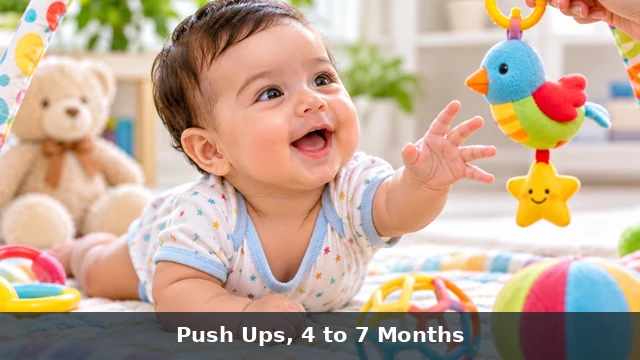
- Batting at objects: Your baby swings an arm to swat at hanging toys.
- Hands to mouth: They guide both hands straight into their mouth.
- Propping on forearms: During tummy time, your baby pushes their chest up using elbows and forearms.
Daily Ways to Support Your 4-Month-Old
- Keep conversations going: Respond cheerfully to every coo and squeal to teach back-and-forth communication.
- Set up floor play: Lay your baby on a clean play mat with safe toys nearby so they can kick, reach, and explore freely.
- Allow safe mouth exploration: Let your baby mouth clean, smooth objects that are too big to swallow and free from sharp edges or heat.
- Read and sing together: Daily storytime and songs strengthen early pediatric development and future speech.
- Skip screens under age two: Avoid TV, phones, and tablets except for brief video chats with family, since babies learn best from real people.
- Continue milk-only feeds: Stick strictly to breast milk or formula until around six months old.
- Offer easy-grip toys: Choose lightweight rattles and soft cloth picture books sized for small hands.
- Limit container time: Give your baby plenty of open floor movement instead of keeping them strapped in swings, strollers, or bouncers for long stretches.
- Maintain steady routines: Consistent nap and meal schedules help your baby feel calm and rested.
- Play visual tracking games: While your baby lies on their back, slowly move a bright toy side to side and up and down so their eyes follow it.
- Do gentle body stretches: Talk or sing while softly bending and straightening your baby’s arms and legs for a few playful minutes.
Your Baby at 6 Months: Newborn Milestones Month by Month – Growth and Development
Halfway through year one, your baby laughs aloud, explores objects with both hands and mouth, and builds core strength for sitting.
Social and Emotional Skills at 6 Months
- Recognizing close faces: Your baby clearly distinguishes family members and regular caregivers from strangers.
- Mirror play: They enjoy staring and smiling at their own reflection in a mirror.
- Full belly laughs: Your baby laughs out loud during playful moments.
Language and Communication Skills at 6 Months
- Vocal turn-taking: Your baby trades sounds back and forth with you like a real conversation.
- Blowing bubbles: They stick out their tongue and blow noisy “raspberries.”
- Happy squeals: Your baby lets out high-pitched squeals when excited.
Thinking and Learning Skills at 6 Months
- Tasting and mouthing: Your baby brings almost every safe object to their mouth to learn its texture and shape.
- Reaching with purpose: They stretch out their hands to grab toys they want.
- Signaling fullness: Your baby presses their lips shut when they are finished eating.
Movement and Physical Skills at 6 Months
- Rolling over: Your baby rolls smoothly from their belly onto their back.
- Straight-arm push-ups: On their tummy, they push their upper body high with straight arms.
- Tripod sitting: Your baby props themselves up on both hands while learning to sit.
Daily Ways to Support Your 6-Month-Old
- Mirror their expressions: Smile back when they grin and echo their babbling sounds to build social confidence.
- Talk through picture books: Flip through colorful books or magazines daily, naming pictures and answering their babbles with enthusiasm.
- Name the world on walks: Point out trees, cars, birds, and everyday sights during outdoor strolls.
- Fill the room with music: Sing songs and play gentle music to stimulate brain connections.
- Keep screens off: Reserve screens solely for family video calls, as toddlers under two thrive on live interaction.
- Follow their curiosity: Notice whatever catches your baby’s eye, point to it, and describe it aloud.
- Motivate rolling during play: Place favorite toys just beyond arm’s reach on the floor to inspire rolling and reaching.
- Respect their energy levels: Keep playing while your baby smiles, and pause for quiet cuddles as soon as they grow fussy.
- Discuss solid foods with your doctor: Ask your pediatrician when to introduce solids and which foods pose choking hazards, while keeping breast milk or formula as their main nutrition.
- Watch mealtime body language: Opening wide or leaning forward shows hunger, while turning away or clamping lips shut means mealtime is over.
- Teach self-soothing habits: Comfort your baby with gentle rocking, soft singing, a pacifier, or a favorite plush toy during quiet cuddle time.
- Practice supported sitting: Sit behind your baby to steady their back while they look around and hold toys.
Your Baby at 9 Months: Newborn Milestones Month by Month – Growth and Development
By nine months, your baby moves independently, understands familiar names, and tests how objects work together.
Social and Emotional Skills at 9 Months
- Caution around new faces: Your baby may act shy, clingy, or uneasy around unfamiliar people.
- Expressive emotions: Their face clearly shows joy, sadness, anger, and surprise.
- Knowing their name: Your baby turns to look at you whenever you call their name.
- Separation awareness: They watch you leave, reach out, or cry when you walk out of sight.
- Loving peek-a-boo: Your baby grins or giggles during peek-a-boo games.
Language and Communication Skills at 9 Months
- Stringing syllables: Your baby repeats consonant sounds like “mamamama” and “babababa.”
- Reaching to be held: They raise both arms upward to ask you to pick them up.
Thinking and Learning Skills at 9 Months
- Searching for dropped toys: When a spoon or toy falls out of view, your baby looks down to find it.
- Clapping objects together: They bang two toys or blocks together to hear the sound.
Movement and Physical Skills at 9 Months
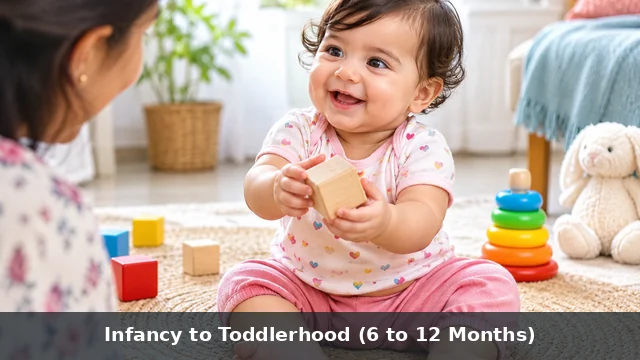
- Sitting up independently: Your baby pushes themselves into a seated position without help.
- Hand-to-hand transfers: They pass toys smoothly from one hand into the other.
- Raking finger foods: Your baby scoops small pieces of food toward themselves using their fingers.
- Balanced sitting: They sit upright steadily on their own without hand support.
9-Month Developmental Checkup
At nine months, the American Academy of Pediatrics advises a routine developmental screening for every child. Ask your pediatrician about this checkup during your baby’s nine-month wellness visit.
Daily Ways to Support Your 9-Month-Old
- Turn babbles into real words: Repeat sounds like “bababa” and connect them to real words such as “ball” or “book.”
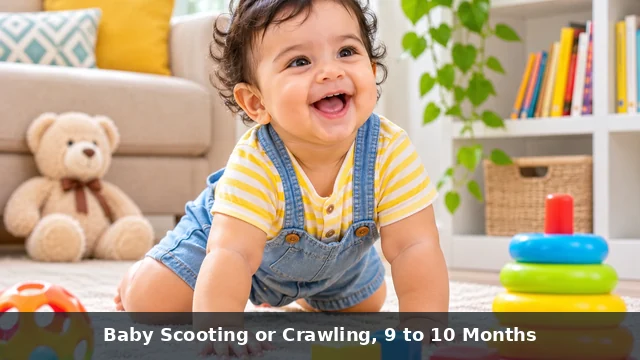
- Encourage floor movement: Place toys slightly out of reach so your baby practices rolling, scooting, or crawling to get them, and cheer their effort.
- Model simple gestures: Wave goodbye, shake your head no, or use basic baby signs so your child can express needs before talking.
- Play hiding games: Drape a light cloth over your face and let your baby pull it away during peek-a-boo.
- Explore fill-and-dump play: Let your baby empty blocks from a bin and drop them back inside.
- Take turns rolling toys: Roll a soft ball or pass a toy back and forth to practice sharing.
- Point and name pictures: Read together by pointing at illustrations and naming each object clearly.
- Avoid screen entertainment: Keep devices off except for video calls with relatives.
- Encourage safe finger-feeding: Learn which foods prevent choking, offer tiny finger foods and sips of water from an open cup, and embrace messy mealtimes as part of learning.
- Phrase directions positively: Tell your baby what action to take—such as “time to sit”—instead of just saying “don’t stand.”
- Offer varied food textures: Serve mashed, smooth, or finely minced foods, and reintroduce rejected flavors patiently on another day.
- Give honest goodbyes: Say a warm, quick goodbye before leaving rather than sneaking away, and announce your return cheerfully so your baby builds trust.
Your Baby at 12 Months: Newborn Milestones Month by Month – Growth and Development
Reaching one year marks a major chapter in your newborn milestones month by month journey as your baby communicates with gestures, stands tall, and explores like a young toddler.
Social and Emotional Skills at 12 Months
- Joining interactive games: Your baby eagerly plays hand games like pat-a-cake with you.
Language and Communication Skills at 12 Months
- Waving farewell: Your baby waves “bye-bye” when someone leaves the room.
- Using parent names: They intentionally call a parent “mama,” “dada,” or another special name.
- Pausing at “no”: Your baby stops briefly or hesitates when they hear you say “no.”
Thinking and Learning Skills at 12 Months
- Dropping items into containers: Your baby places blocks or small toys inside a cup or box.
- Uncovering hidden toys: They lift a blanket or pillow to find a toy they watched you hide.
Movement and Physical Skills at 12 Months
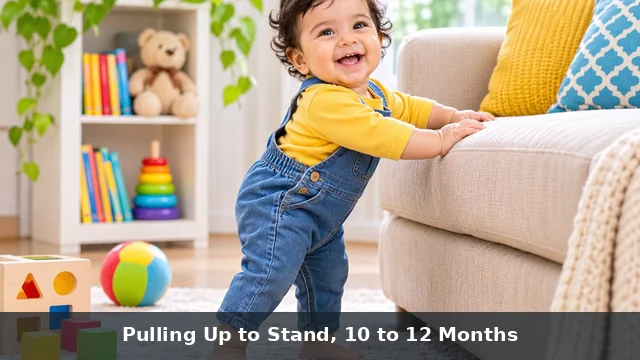
- Pulling up to stand: Your baby grips sturdy furniture to pull themselves upright.
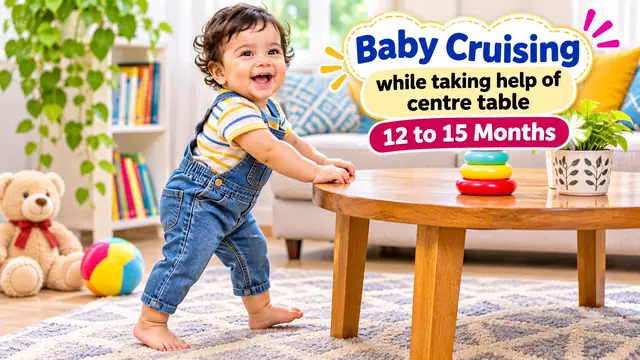
- Cruising along edges: They step sideways while holding onto couches or low tables.
- Sipping from an open cup: Your baby drinks from a lidless cup while you hold it steady.
- Thumb-and-finger pickup: They pinch small bits of food cleanly between their thumb and index finger.
Daily Ways to Support Your 12-Month-Old
- Praise good choices: Show your baby gentle actions—like softly petting a family pet—and reward them with hugs and warm praise.
- Narrate daily routines: Talk or sing through everyday tasks like handwashing so your baby connects words with actions.
- Expand their early words: When your baby says “ca,” reply with “Yes, a car!” or “That’s a fast red car!” to build vocabulary.
- Redirect calmly and save “no” for safety: Guide your baby toward safe toys instead of constant scolding, and use a firm “no” without yelling or hitting when safety matters.
- Baby-proof every room: Lock away medicines, cleaners, and sharp or breakable objects, and keep your local poison control number saved in every phone.
- Give words to their points: When your baby points at a cup, hand it over while saying, “Here is your cup,” and celebrate if they try repeating the word.
- Point out sights together: Point toward buses, dogs, or birds outside to teach shared attention.
- Keep screens off: Skip TV, phones, and tablets other than family video calls so your baby learns through active play.
- Serve healthy drinks only: Offer water, breast milk, or plain whole milk, avoiding sodas, sports drinks, flavored milks, and limiting 100% juice to four ounces or less if given at all.
- Keep offering new textures: Serve mashed or finely chopped table foods and offer unfamiliar flavors multiple times without pressure.
- Ease into new caregivers: Let your baby warm up slowly to babysitters or relatives alongside a favorite blanket or plush toy.
- Make music together: Hand your baby wooden spoons, pots, or a toy drum to explore rhythm and sound.
Your Baby at 15 Months: Newborn Milestones Month by Month – Growth and Development
By fifteen months, your toddler shows big affection, copies everyday actions, and takes exciting steps toward independence. Adding these skills extends your newborn milestones month by month guide into early toddlerhood.
Social and Emotional Skills at 15 Months
- Copying playmates: Your toddler imitates other kids during play, such as pulling toys out of a bin after watching another child do it.
- Sharing favorite finds: They hold up objects they enjoy just to show them to you.
- Clapping with joy: Your child claps their hands together whenever they feel excited.
- Cuddling plush toys: They hug a stuffed doll or favorite toy affectionately.
- Expressing warm affection: Your toddler gives you hugs, cuddles, or sweet kisses.
Language and Communication Skills at 15 Months
- Trying extra words: Beyond “mama” or “dada,” your child attempts one or two simple words, like “ba” for ball or “da” for dog.
- Recognizing named objects: They turn their eyes toward a familiar item when you say its name out loud.
- Following combined cues: Your toddler follows instructions paired with both words and gestures—for example, handing you a toy when you hold out your palm and ask for it.
- Pointing with purpose: They point at things to request an item or ask for your help.
Thinking and Learning Skills at 15 Months
- Using objects properly: Your child tries using everyday items the right way, such as holding a phone to their ear, sipping from a cup, or flipping through a book.
- Building small towers: They stack at least two small items, like wooden blocks, on top of each other.
Movement and Physical Skills at 15 Months
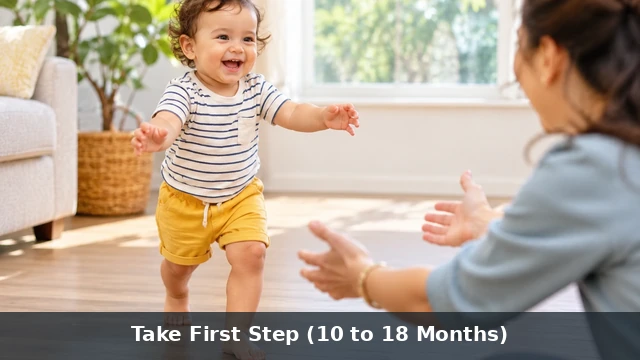
- Taking independent steps: Your toddler walks a few steps on their own without holding onto furniture or hands.
- Self-feeding with fingers: They pick up bites of food using their fingers to feed themselves.
Daily Ways to Support Your 15-Month-Old
Encourage Speech and Communication
- Build on early speech: Early toddler words often sound incomplete, so repeat and expand what your child says. If they say “ba” for ball, answer warmly, “Yes, that is a ball!”
- Pause before handing pointed items: Name the object your child points at and wait a few seconds to see if they make a sound first. When they try vocalizing, praise them and repeat the word clearly, like “Yes! Cup!”
Build Independence Through Everyday Activities
- Let your toddler help with small chores: Invite your child to grab their shoes before heading outside, pack snacks into a park bag, or drop socks into a laundry basket.
- Keep predictable meal and sleep routines: Create a calm bedtime habit by putting on pajamas, brushing teeth, and reading one or two short books. Toddlers aged one to two years need 11 to 14 hours of total daily sleep, including naps. Steady bedtimes make rest much easier.
- Demonstrate how everyday items work: Hold up a familiar object like a hat and ask, “What goes on your head?” Place it on your own head first. Then hand it over to see if your toddler copies you with hats, cups, or books.
- Sing action songs together: Sing interactive songs like “Wheels on the Bus” and encourage your child to mimic the hand motions.
Support Emotional and Social Development
- Name your child’s feelings: Help your toddler understand emotions by naming what they feel—such as sad, mad, frustrated, or happy. Use calm words and expressive facial cues. For instance, say, “You feel frustrated because we cannot go outside, but hitting is not okay; let us find an indoor game.”
- Stay calm during tantrums: Tantrums are a normal part of this age, especially when a toddler feels hungry or tired. They naturally shorten as your child grows. You can offer a gentle distraction or simply stay nearby. Let the tantrum pass safely before moving on.
- Show positive behaviors clearly: Teach what to do instead of only what to avoid. Reward good choices with hugs and praise. If your toddler tugs a pet’s tail, guide their hand to pet softly and give a hug when they follow your lead.
Encourage Healthy Play and Daily Habits
- Keep screens off under age two: Limit screens (TV, phones, and tablets) strictly to video chats with family. Toddlers learn best through real-world play and conversation.
- Encourage block building: Play with blocks together by stacking a small tower and letting your toddler knock it down with glee.
- Practice open cups and spoons: Offer a lidless cup for sips and a toddler spoon at meals. Messy practice builds confidence and coordination.
Your Baby at 18 Months: Newborn Milestones Month by Month – Growth and Development
At eighteen months, your toddler walks on their own, explores everyday routines, and shows stronger independence. Adding this stage completes your newborn milestones month by month guide and shows how infants developmental stages grow into toddlerhood.
Social and Emotional Skills at 18 Months
- Roaming with check-ins: Your toddler wanders away from you while exploring, yet looks back or checks in to make sure you stay close.
- Showing cool discoveries: They point out interesting sights or objects just to share them with you.
- Helping with handwashing: Your child holds out their hands when you wash them.
- Flipping book pages together: They look over a few book pages side by side with you.
- Pitching in with dressing: Your toddler helps get dressed by sliding an arm into a sleeve or lifting a foot.
Language and Communication Skills at 18 Months
- Using several words: Beyond “mama” or “dada,” your child tries speaking three or more words.
- Listening without hand cues: They follow a one-step instruction without you pointing or gesturing—such as handing you a toy when you ask, “Give it to me.”
Thinking and Learning Skills at 18 Months
- Mimicking household tasks: Your toddler copies chores you do, like pushing a broom to sweep.
- Simple toy play: They play with toys in straightforward ways, such as rolling or pushing a toy car across the floor.
Movement and Physical Skills at 18 Months
- Walking independently: Your toddler walks on their own without holding onto anyone or anything.
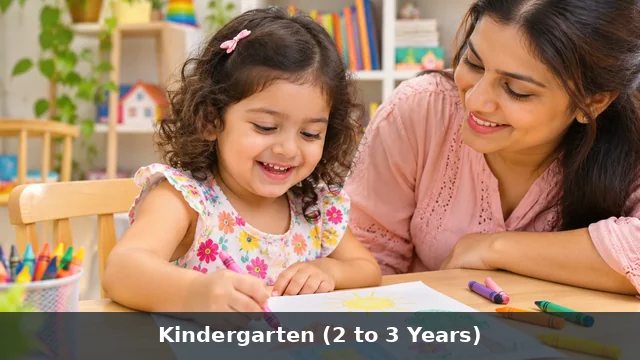
- Making marks: They scribble with crayons or markers.
- Sipping from an open cup: Your child drinks from a lidless cup and may spill a little along the way.
- Finger self-feeding: They feed themselves bites of food using their fingers.
- Trying a spoon: Your toddler practices scooping food with a spoon.
- Climbing furniture: They climb up onto and down from a couch or chair without help.
18-Month Developmental and Autism Checkup
At eighteen months, the American Academy of Pediatrics advises both a general developmental screening and an autism screening for all children. Ask your child’s pediatrician about these screenings during your 18-month well-child visit to support healthy pediatric development.

Daily Ways to Support Your 18-Month-Old
Encourage Positive Behavior and Social Skills
- Spotlight positive actions: Give warm praise and extra attention to behaviors you want to see. For example, say, “Look how nicely you put the toy away!” Give less attention to habits you want to stop.
- Join pretend play: Encourage make-believe games by handing your toddler a spoon to “feed” a stuffed animal. Take turns pretending together.
- Talk about others’ feelings: Help your child notice how others feel and respond kindly. If another child looks sad, say, “He looks sad; let us bring him a teddy.”
Develop Communication and Thinking Skills
- Ask simple open questions: Spark early child development and thinking skills by pointing to objects and asking simple questions like, “What is that?”
- Get down to eye level: Kneel or sit to face your toddler at eye level when talking. This helps them read both your words and your facial expressions.
- Teach body part names: Point to your toddler’s nose and your own nose while saying, “Here is your nose, here is my nose.” This helps build body awareness and vocabulary.
Build Independence Through Daily Activities
- Practice cups and spoons: Let your child drink from an open cup and use a spoon at meals. Expect messy moments as part of learning.
- Offer two simple choices: Let your toddler pick between two options. For example, ask at dressing time whether they want a red shirt or a blue shirt.
- Keep steady sleep and meal habits: Maintain regular routines for sleep and eating. Sit together at the table for meals and snacks so family routines feel predictable.
Support Healthy Habits and Emotional Development
- Limit screen time for you and your child: Keep screens (TV, tablets, phones, and similar devices) limited to video calls with loved ones. Screen time is not recommended for children under two years old. Cut back on your own screen time around your child too. This helps you respond quickly to their words and actions.
- Check readiness for potty training: Ask your doctor and caregivers when your toddler seems ready for toilet training. Most children do not succeed with potty training until ages two to three. Rushing before they feel ready can cause stress and setbacks that lengthen the process.
- Handle tantrums calmly: Expect tantrums at this stage. They should grow shorter and less frequent as your child gets older. You can try a gentle distraction or calmly let the tantrum pass. Give your toddler time to settle before moving on.
Your Child at 2 Years: Milestones and Daily Growth Tips
At age two, your toddler runs, links words together, and shows growing empathy. Adding this stage expands your newborn milestones month by month guide and highlights key infants developmental stages as they grow into young children.
Social and Emotional Skills at 2 Years
- Noticing others’ feelings: Your child reacts when someone feels hurt or upset, such as pausing or looking sad when another child cries.
- Checking your reaction: They look toward your face to see how to respond in an unfamiliar situation.
Language and Communication Skills at 2 Years
- Finding named items in books: Your toddler points to pictures in a book when you ask questions like, “Where is the bear?”
- Combining two or more words: They put at least two words together, such as “More milk.”
- Pointing to body parts: Your child points to at least two body parts when you ask them to show you.
- Using richer gestures: Beyond waving or pointing, they use gestures like blowing a kiss or nodding “yes.”
Thinking and Learning Skills at 2 Years
- Using two hands together: Your toddler holds something in one hand while using the other hand—for example, holding a jar and pulling off the lid.
- Testing controls on toys: They try operating switches, knobs, or buttons on a toy.
- Combining toys in play: Your child plays with more than one toy at once, like setting play food onto a toy plate.
Movement and Physical Skills at 2 Years
- Kicking a ball: Your toddler kicks a ball forward.
- Running: They run on their feet with growing speed and balance.
- Walking up a few stairs: Your child walks (rather than climbs) up a few steps with or without help.
- Eating with a spoon: They eat food using a spoon.
2-Year Autism Checkup
At two years old, the American Academy of Pediatrics recommends an autism screening for all children. Ask your child’s doctor about this screening at your two-year well-child visit to support healthy pediatric development.
Daily Ways to Support Your 2-Year-Old
Encourage Speech and Social Development
- Model clear pronunciation: Help your child hear how words sound even before they speak clearly. If they say “ornana,” repeat warmly, “You want more banana.”
- Guide playdates closely: Toddlers this age often play side by side rather than sharing easily or solving problems alone. Stay close during playdates. Coach your child on taking turns, sharing, and using words during conflicts.
Develop Thinking Skills Through Play
- Let them help prep meals: Invite your child to carry safe items to the table, like plastic cups or napkins, and thank them for helping.
- Play ball games: Roll, kick, and toss balls together to build coordination and early child development.
- Choose cause-and-effect toys: Offer toys where pushing a button or turning a knob makes something happen. This helps your toddler solve simple problems.
- Encourage dress-up play: Provide grown-up hats, shirts, or shoes so your child can jump into pretend play.
Establish Healthy Eating and Sleep Habits
- Respect appetite shifts: Let your toddler decide how much to eat at each meal. Appetites and food choices vary day to day. Your job is offering nutritious food, and your child’s job is deciding if and how much to eat.
- Keep steady sleep and meal habits: Build a calm bedtime routine. Put on pajamas, brush teeth, and read one or two books. Children this age need 11 to 14 hours of sleep per day, including naps.
Support Independence and Positive Behavior
- Check potty training readiness: Ask your doctor and caregivers when your child seems ready for toilet training. Most children do not master potty training until ages two to three. Starting too soon can bring stress and setbacks that make training take longer.
- Cheer helpful actions: Praise your toddler when they pitch in with simple chores, like dropping toys or laundry into a basket.
Encourage Outdoor Play and Creativity
- Play “Ready, set, go” outdoors: Pull your toddler back on a swing and say “Ready, set…” Pause briefly before saying “Go” as you push.
- Make simple art together: Offer crayons or finger paint on paper so your child can explore making dots and spreading color. Then hang their artwork on a wall or fridge where they can see it.
Your Child at 30 Months: Milestones and Daily Growth Tips
At thirty months, your toddler speaks in short phrases, jumps with two feet, and solves small everyday puzzles. Adding this stage wraps up the toddler years in your newborn milestones month by month guide and shows how infants developmental stages build toward preschool readiness.
Social and Emotional Skills at 30 Months
- Playing beside and with peers: Your child plays near other children and occasionally joins play with them.
- Showing off skills: They call out, “Look at me!” to share what they can do.
- Pitching into routines: Your toddler follows simple daily cues, such as helping gather toys when you say, “It’s clean-up time.”
Language and Communication Skills at 30 Months
- Growing vocabulary: Your child speaks roughly 50 words.
- Action phrases: They combine two or more words with an action word, such as “Doggie run.”
- Naming book pictures: When you point to an item in a book and ask, “What is this?” your child names it.
- Using pronouns: They say self-words like “I,” “me,” or “we.”
Thinking and Learning Skills at 30 Months
- Practical problem-solving: Your toddler figures out simple solutions, like stepping onto a small stool to reach an item.
- Two-step instructions: They follow directions with two steps, like “Put the toy down and close the door.”
- Recognizing a color: Your child shows color awareness—for example, picking out a red crayon when you ask, “Which one is red?”
- Imaginative prop play: They use objects symbolically, such as pretending to feed a block like food to a doll.
Movement and Physical Skills at 30 Months
- Twisting and turning: Your child uses hand twists to turn doorknobs or unscrew lids.
- Slipping off loose clothes: They pull off easy garments like loose pants or an unzipped jacket on their own.
- Two-foot jumps: Your toddler hops off the floor using both feet together.
- Turning single pages: They flip book pages one at a time while you read aloud.
30-Month Developmental Checkup
At thirty months, the American Academy of Pediatrics recommends a general developmental screening for every child. Bring up this checkup with your doctor at your 30-month well-child visit to support healthy pediatric development.
Daily Ways to Support Your 30-Month-Old
Encourage Creativity and Positive Behavior
- Make room for open-ended play: Encourage free play. Let your toddler follow their curiosity, test ideas, and use everyday items in creative ways.
- Highlight wanted actions: Praise behaviors you want to repeat. For example, say, “I love how you handed Jordan the toy.” Give less spotlight to habits you discourage.
- Offer small snack and outfit choices: Let your child choose between two or three simple, nutritious snacks or clothing options.
Develop Communication and Social Skills
- Ask story questions: Spark early child development and comprehension by asking “Who,” “What,” and “Where” questions while reading together.
- Coach sharing and turn-taking: Stay close during play. Help your child trade turns, share items, and use words instead of pushing or grabbing.
- Visit parks and playgroups: Spend time around other kids. Visit parks, libraries, local play groups, or early preschool programs. These activities help your child practice friendship and sharing.
Build Learning Skills and Healthy Habits
- Try varied drawing surfaces: Offer crayons on paper, chalk on pavement, or shaving cream on a tray. Draw a straight line first to see if your toddler copies it. Then show circles once straight lines feel easy.
- Share screen-free family meals: Eat together as a family whenever possible. Serve the same meal to everyone. Keep TVs, phones, and tablets off at the table.
- Cap screen time at one hour daily: Limit screens to at most one hour a day. Choose quality children’s programming and watch it with an adult. Live play and talk drive learning best.
- Teach opposite and position words: Use clear descriptive pairs in daily chat. Examples include big and small, fast and slow, on and off, or in and out.
- Work on simple puzzles: Try shape, color, or animal puzzles together. Say the name of each piece as your toddler fits it in.
Support Physical Activity and Healthy Eating
- Get active outdoors: Head to the park. Let your toddler run in safe spaces and climb age-appropriate play equipment.
- Trust your child’s appetite: Let your toddler eat as much or as little as they want at each meal. You decide what healthy food is served. Your child decides how much to eat.
Your Child at 3 Years: Milestones and Daily Growth Tips
At age three, your child joins real back-and-forth chats, plays cooperatively with peers, and tackles everyday tasks with growing confidence. Adding this stage completes your newborn milestones month by month roadmap and connects early infants developmental stages to preschool life.
Social and Emotional Skills at 3 Years
- Settling quickly after goodbyes: Your child calms down within ten minutes after you leave, such as during childcare drop-off.
- Joining group play: They notice other children nearby and step in to play together.
Language and Communication Skills at 3 Years
- Holding short conversations: Your child talks with you in at least two back-and-forth exchanges.
- Asking question words: They ask “who,” “what,” “where,” or “why” questions, like “Where is Mommy?” or “Where is Daddy?”
- Describing actions in pictures: When you ask about a book or picture, your child names the action happening, such as “running,” “eating,” or “playing.”
- Stating their first name: They say their first name when asked.
- Speaking clearly: Your child talks clearly enough for most people outside the family to understand most of the time.
Thinking and Learning Skills at 3 Years
- Drawing a circle: Your child draws a circle after watching you show how it is done.
- Respecting safety warnings: They stay away from touching hot surfaces, like a stove, once you warn them.
Movement and Physical Skills at 3 Years
- Threading objects together: Your child strings items like large beads or dry macaroni onto a lace or string.
- Putting on simple clothing: They dress themselves in easy garments like loose pants or an open jacket.
- Eating with a fork: Your child uses a fork during meals.
Daily Ways to Support Your 3-Year-Old
Encourage Problem-Solving and Emotional Development
- Guide independent problem-solving: Help your child work through small challenges with your support. Ask questions to clarify the issue. Brainstorm ideas together, test one solution, and try another if needed.
- Name feelings and teach calming tools: Talk about emotions and give your child words to describe how they feel. Help them handle big feelings by practicing slow deep breaths. They can also hug a favorite plush toy or step into a quiet, safe spot when upset.
- Set simple, clear rules: Create a few easy-to-follow rules, like using gentle hands during play. When your child forgets a rule, calmly show what to do instead. Praise them warmly later when they follow through.
Build Communication and Early Learning Skills
- Ask open questions during storytime: Read together and pause to ask, “What is happening in the picture?” or “What do you think happens next?” Encourage your child to share extra details after answering.
- Turn daily moments into counting games: Count stairs, fingers, toys, or snacks aloud together. This helps spark early child development and number sense.
- Model fuller, clearer sentences: Build language skills by speaking in slightly longer sentences. Use complete words. If your child says “need nana,” echo and expand it by saying, “I want a banana.”
- Give two- or three-step directions: Practice multi-step listening by asking your child to complete two or three connected tasks. For example, say, “Go to your room and get your shoes and coat.”
Develop Creativity and Everyday Independence
- Invite kitchen help: Let your child assist with meal prep. Give them simple jobs, like rinsing fruits and vegetables or stirring batter.
- Sing classic rhymes and fingerplays: Teach simple songs with hand motions. Try “Itsy Bitsy Spider” or “Twinkle, Twinkle, Little Star.”
- Stock a creative activity box: Keep a bin filled with paper, crayons, and coloring books. Sit down together to draw lines and shapes.
Support Healthy Screen Habits and Social Skills
- Keep screens limited and out of bedrooms: Cap screen time at one hour or less daily. This includes TV, phones, tablets, and similar devices. Choose quality children’s shows and watch them alongside an adult. Keep all screens out of your child’s bedroom. This helps live play and conversation lead pediatric development.
- Encourage peer playtime: Arrange regular play opportunities with other children. This helps your child practice friendship, cooperation, and getting along with others.
Your Child at 4 Years: Milestones and Daily Growth Tips
At four years old, your preschooler dives into imaginative role-play, speaks in fuller sentences, and shows stronger self-control in different settings. Adding this stage extends your newborn milestones month by month guide into the preschool years and highlights later infants developmental stages and early childhood growth.
Social and Emotional Skills at 4 Years
- Imaginative role-play: Your child pretends to be someone else during play, such as a teacher, superhero, or family dog.
- Asking to join peers: When no kids are around, they ask to go play with friends, like saying, “Can I play with Alex?”
- Comforting upset friends: Your child offers kindness when someone hurts or cries, such as giving a sad friend a hug.
- Recognizing physical danger: They avoid risky moves, like not jumping from high structures at the playground.
- Eager to pitch in: Your preschooler enjoys acting as a “helper” around the house.
- Adapting to different settings: They adjust their behavior based on where they are, such as a library, playground, or place of worship.
Language and Communication Skills at 4 Years
- Speaking in four-word sentences: Your child forms sentences containing four or more words.
- Reciting familiar lines: They repeat lines from a favorite song, story, or nursery rhyme.
- Sharing daily events: Your preschooler talks about at least one thing that happened during their day, like “I played soccer.”
- Answering function questions: They answer simple questions about everyday items, such as “What is a coat for?” or “What is a crayon for?”
Thinking and Learning Skills at 4 Years
- Naming several colors: Your child identifies a few colors of everyday objects.
- Predicting familiar stories: They tell what happens next in a story they already know well.
- Drawing a person: Your preschooler draws a human figure featuring three or more body parts.
Movement and Physical Skills at 4 Years
- Catching a large ball: Your child catches a large bounced or tossed ball most of the time.
- Serving food and pouring: With adult supervision, they scoop food onto a plate or pour water from a small pitcher.
- Working buttons: Your preschooler unbuttons some buttons on clothing.
- Mature pencil grip: They hold a crayon or pencil between their fingers and thumb rather than gripping it in a fist.
Daily Ways to Support Your 4-Year-Old
Build Confidence and Prepare for New Experiences
- Prep for new places and faces: Help your child feel comfortable before visiting unfamiliar spots or meeting new people. Read stories or act out the situation through pretend play.
- Ask story predictions: Read together and pause to ask what is happening on the page. Ask what your child thinks will come next.
- Explore colors, shapes, and sizes: Point out everyday objects during errands or walks. Ask your child to name their colors, shapes, and sizes. This helps build early child development.
Develop Social Skills, Kindness, and Positive Behavior
- Coach polite problem-solving words: Encourage your child to use words to ask for items or settle conflicts. Model helpful phrases like “Can I have a turn?” This helps them learn not to grab toys.
- Talk about empathy and kindness: Notice when others feel sad or hurt. Suggest caring responses. For example, say, “He looks sad; let us bring him a teddy.”
- Praise wanted behaviors: Give warm attention and specific praise when your child makes good choices. For example, say, “You are sharing that toy so nicely!” Give less attention to unwanted habits.
- Explain rules and offer positive choices: Tell your child simply why an unsafe behavior is off-limits. Then give an acceptable alternative. For example, say, “You cannot jump on the bed; do you want to play outside or put on music and dance?”
- Encourage group play: Visit parks, libraries, local playgroups, or preschool programs. These activities help your child learn sharing, cooperation, and friendship.
Encourage Healthy Habits and Better Sleep
- Share healthy family meals: Sit together at mealtimes whenever possible. Let your child see you enjoying fruits, vegetables, whole grains, water, and milk.
- Build a calm, screen-free bedtime: Turn off TVs, phones, and tablets one to two hours before sleep. Keep screens out of the bedroom. Four-year-olds need 10 to 13 hours of daily sleep, including naps. Steady bedtimes support healthy pediatric development.
Support Imagination and Curiosity
- Provide open-ended imaginative props: Offer dress-up clothes, play pots and pans, or building blocks. Join their pretend play by tasting the “meal” they cook.
- Answer “why” questions together: Take time to answer your child’s “why” questions. If you do not know the answer, say “I do not know.” Look it up together in a book, online, or with another adult.
Your Child at 5 Years: Milestones and Daily Growth Tips
At age five, your child steps into kindergarten readiness with stronger focus, longer conversations, and growing independence. Adding this final stage rounds out your newborn milestones month by month guide and connects early infants developmental stages all the way to school age.
Social and Emotional Skills at 5 Years
- Following game rules and taking turns: Your child plays fairly with peers by respecting game rules and waiting for their turn.
- Performing for family: They enjoy singing, dancing, or acting out little skits for you.
- Helping with simple chores: Your five-year-old handles easy household jobs, like pairing up socks or clearing dishes from the table after meals.
Language and Communication Skills at 5 Years
- Telling two-event stories: Your child recounts a story they heard or invented with at least two connected events, such as a cat getting stuck in a tree and a firefighter rescuing it.
- Answering story questions: They answer basic questions about a book or tale right after you read or tell it aloud.
- Keeping conversations flowing: Your child stays engaged in a back-and-forth chat for more than three exchanges.
- Spotting and using rhymes: They recognize or come up with simple rhyming word pairs like “bat-cat” or “ball-tall.”
Thinking and Learning Skills at 5 Years
- Counting up to ten: Your child counts aloud from one to ten.
- Naming numbers between one and five: They identify several written numbers from one to five when you point to them.
- Using time words: Your five-year-old uses time terms accurately, including “yesterday,” “tomorrow,” “morning,” or “night.”
- Focusing for five to ten minutes: They pay steady attention for five to ten minutes during hands-on tasks like storytime or arts and crafts (screen time does not count).
- Writing letters from their name: Your child writes some of the letters found in their own first name.
- Recognizing letters: They name several alphabet letters when you point to them.
Movement and Physical Skills at 5 Years
- Fastening buttons: Your child buttons some buttons on shirts or jackets independently.
- Hopping on one foot: They balance and hop forward on a single foot.
Daily Ways to Support Your 5-Year-Old
Encourage Independence and Positive Behavior
- Handle backtalk calmly and encourage independence: Your five-year-old may start testing limits or talking back to feel independent. Give minimal attention to rude remarks. Offer healthy ways for them to take the lead. Spotlight positive behavior, such as saying, “You stayed so calm when I told you it was bedtime.”
- Let them do tasks imperfectly: Encourage self-help skills like making the bed, buttoning a shirt, or pouring water into a cup. Celebrate the effort. Resist fixing minor imperfections unless truly necessary.
- Set up a cozy calm-down corner: Create a safe, quiet spot at home where your child can go when upset. Stay nearby so they know they are safe. They can come to you for comfort whenever ready.
Develop Thinking, Language, and Learning Skills
- Ask “why” and “how” during play: Check in on what your child is building or playing. Invite deeper thinking by asking open questions. For example, say, “That is a great bridge you built—why did you put it there?”
- Offer construction toys and puzzles: Play together with interlocking blocks, puzzles, and building sets. These activities challenge spatial thinking and early child development.
- Practice calendar and time concepts: Sing songs about the days of the week. Mention what day it is each morning. Use time words like today, yesterday, and tomorrow in daily conversation.
- Play rhyming word games: Turn car rides or waiting times into word play. Ask questions like, “What rhymes with cat?”
- Invite “picture reading”: Encourage your child to flip through a book. Let them tell you the story in their own words using the illustrations.
- Play memory and focus games: Strengthen attention and recall with classic games. Try matching cards, Tic-Tac-Toe, I Spy, or Hot and Cold.
Support Emotional and Social Development
- Talk about emotions in stories and life: Label both your own feelings and your child’s emotions. During storytime, pause to discuss how book characters feel and why.
- Practice rule-based games: Play simple board games, card games, or Simon Says. These activities help build patience, listening, and turn-taking.
Build Healthy Screen and Family Habits
- Cap screens at one hour daily: Limit TV, tablets, phones, and other screens to no more than one hour per day. Set a clear family media plan that supports healthy pediatric development.
- Enjoy screen-free family meals: Eat together at the table whenever possible. Serve everyone the same nutritious meal and keep all screens turned off. Let your child help wash or prep healthy foods.
Keeping Your Baby Safe Through Every Stage of Growth
The first year brings rapid discovery. As your baby starts moving more, curiosity grows right alongside mobility. Never leave your baby unattended—an attentive adult should always be close by during awake time. Even careful watching cannot prevent every mishap, so setting up safe habits and spaces early protects your child as they grow along the newborn milestones month by month path.
Safety Steps to Take (DO)
- Lower water heater settings: Set your water heater to 120 degrees Fahrenheit (48 degrees Celsius) to prevent accidental scalding.
- Test bathwater and practice bath safety: Check bathwater temperature before placing your baby in the tub, and follow safe bath routines without turning away.
- Pick sturdy, mouth-safe toys: Choose solid toys that do not break apart easily, have no sharp edges, and are too large to fit inside your baby’s mouth.
- Block open stairs safely: Install safety gates across open stairways using straight vertical slats instead of diamond patterns that toddlers can climb like a ladder.
- Maintain smoke and carbon monoxide alarms: Put working smoke and carbon monoxide detectors in your home and follow the maker’s testing and battery instructions.
- Follow car seat rules every trip: Make sure your baby rides buckled properly in an age-appropriate car seat—and share those exact safety steps with anyone else who drives your baby.
- Protect delicate skin from sun: Limit direct sun exposure, dress your baby in sun-protective clothing, and ask your doctor about using sunscreen once your baby reaches six months old.
- Keep high chair seating safe: Have your baby sit properly in their high chair rather than standing up inside it.
- Lock away hazards and save poison help: Store tiny items, sharp tools, breakables, medications, cleaners, and soaps out of reach or inside locked cabinets, and save the U.S. Poison Help number (1-800-222-1222) in your phone.
- Practice safe back sleep: Always place your baby on their back on a firm sleep surface and follow safe-sleep steps to lower the risk of SIDS
- Tie up blind and curtain cords: Keep window blind and drape cords secured and out of reach so they cannot cause strangulation.
Safety Habits to Avoid (DON’T)
- Skip hot drinks while holding your baby: Avoid holding or sipping hot beverages while carrying or cuddling your infant.
- Hold off on water under six months: Do not give plain water to babies younger than six months old.
- Never leave a baby alone in a vehicle: Always take your baby out of the car whenever you step away, even for a moment.
- Keep kitchen cooking areas clear: Do not let your baby crawl or play on the kitchen floor while you cook at the stove or oven.
- Avoid anything around the neck: Never place necklaces, pacifiers on cords, or toys on a string around your baby’s neck.
- Wait on swimming pools under six months: Do not bring babies younger than six months into a swimming pool.
- Skip traditional baby walkers: Avoid infant walkers on wheels, as they pose serious fall and injury risks.
Common Questions About Early Newborn Milestones
Many parents wonder what happens during the very first weeks before the main milestone chart begins at two months. Tracking early infants developmental stages and child development from day one helps you notice how your baby responds to the world.
- Hands near the face: Newborns often bring their hands up close to their face.
- Head turns on the tummy: When placed on their tummy, a newborn may shift their head from side to side.
- Clenched little fists: Babies commonly keep their hands curled into fists during early weeks.
- Early reflex actions: Automatic newborn reflexes appear naturally as part of early pediatric development.
- Reacting to familiar voices: A newborn may turn toward voices or sounds they recognize.
Warning Signs to Talk Over With Your Pediatrician
Every child develops at their own speed and may hit some skills early while taking longer on others. Still, early attention makes a real difference if concerns arise. Contact your baby’s healthcare provider if you notice any of these signs:
- Feeding trouble: Difficulty sucking, swallowing, or feeding consistently.
- No reaction to loud sounds: Not startling, blinking, or turning toward loud noises.
- Lack of visual tracking: Not following moving toys or faces with the eyes.
- Unusual muscle tone: Looking very stiff with little arm or leg movement, or feeling unusually floppy.
Keep in mind that every baby is unique, and your parent instincts matter. If something feels off, call your child’s doctor right away—catching concerns early helps children get support sooner.
Frequently Asked Questions About Newborn and Child Milestones
Parents often have practical questions while tracking growth from infancy through early childhood. Here are clear answers to the most common concerns.
- What if my baby reaches a milestone a few weeks late? Every child grows at an individual pace, and slight timing differences are completely normal. Milestone checklists reflect what roughly 75 percent of children do by a given age, so missing one skill by a few weeks does not automatically signal a problem—bring your notes to your next checkup so your doctor can evaluate the full picture.
- How do milestones work for premature babies? If your baby arrived early, pediatricians usually measure infants developmental stages using their corrected age rather than their birth date until about age two. Subtract the number of weeks your baby was born early from their current age to set realistic expectations.
- When should I contact my pediatrician right away? Reach out to your doctor promptly if your child loses skills they once had, shows extreme muscle stiffness or floppiness, does not respond to loud sounds or familiar voices, avoids eye contact consistently, or misses several expected skills in a single stage of pediatric development.
- Can daily play really speed up child development? Loving, screen-free interaction—such as talking, reading, floor tummy time, and responsive play—strengthens early brain connections more effectively than expensive gadgets or educational apps.
- Why did milestone checklists change in recent years? Pediatric organizations updated milestone charts so each listed skill represents what most children (at least 75 percent) achieve by that exact age, helping families and doctors spot potential delays earlier instead of waiting and wondering.
Wrapping Up Your Milestone Journey
Watching your little one grow along the newborn milestones month by month path is one of the most rewarding parts of parenting. From those first quiet coos at two months to confident steps, curious questions, and kindergarten readiness at age five, every small skill builds on the one before it. Use these age-by-age guides as a helpful conversation starter during routine well-child visits, celebrate your child’s unique rhythm, and trust your instincts whenever something feels worth a closer look.
Medical Disclaimer
The information shared in this article is provided strictly for general educational and informational purposes and does not replace professional medical advice, diagnosis, or treatment. Every child develops differently, and only a qualified pediatrician or healthcare provider can evaluate your child’s individual growth and health needs. Always consult your child’s doctor with any questions regarding developmental milestones, feeding, safety, or medical concerns, and never delay seeking professional care because of something you read online.
External Authoritative References
- Centers for Disease Control and Prevention (CDC): Learn the Signs. Act Early. – Developmental Milestones Checklists (2 Months Through 5 Years). U.S. Department of Health and Human Services.
https://www.cdc.gov/act-early/resources/milestones-checklist-by-age.html - American Academy of Pediatrics (AAP):Bright Futures: Guidelines for Health Supervision of Infants, Children, and Adolescents and Developmental Surveillance and Screening Resources.
- HealthyChildren.org (Powered by the American Academy of Pediatrics):Ages and Stages – Infant, Toddler, and Preschool Developmental Guides and Home Safety Resources.
- World Health Organization (WHO): Guidelines on Physical Activity, Sedentary Behaviour and Sleep for Children Under 5 Years of Age. (2019).
https://www.who.int/publications/i/item/9789241550536
🔗 Related Articles
If you are preparing for a newborn, these helpful Blooming Blogs guides can help you plan, prepare, and care for your baby with greater confidence:
- 1. Best Infant Formula for Newborns: Types, Choices & Safety Guide
- 2. Newborn Baby Essentials Checklist for Soon-to-Be Parents
- 3. How to Prepare Formula Milk for a Newborn Baby
- 4. Newborn Baby Care: Complete Guide for New Parents
- 5. Formula Mixing & Bottle Ratio Calculator
- 6. Hospital Bag for Delivery: Complete Checklist for Mom and Baby
- 7. The Ultimate Pregnancy Hospital Bag & Registry Checklist: Your Stress-Free Delivery Guide
- 8. Hospital Bag Checklist Tool
- 9. Rompers for Newborn: Ultimate Guide to Safe Baby Clothes
- 10. Onesies and Rompers: How to Dress Your Newborn Right
- 11. Baby Onesies Buying Guide: Best Soft Outfits for Newborns
🛠️ Try Our Free Interactive Baby Care Tools
Planning your nursery, preparing for your newborn, or setting up healthy daily routines? Explore our collection of free, interactive baby care tools and calculators designed to make parenting easier, safer, and more organised.
Explore our helpful tools:
- Formula Mixing & Bottle Ratio Calculator
- Baby Sleep Calculator
- Baby-Proofing Safety Audit Tool
- Hospital Bag Checklist Tool
- Hospital Bag & Baby Registry Checklists
- LittleSafe Home Checklist
- Mid-Parental Height Calculator
- Newborn Diapers Tracker
Discover more helpful resources: Visit the Blooming Blogs Free Online Tools Hub for practical calculators, checklists, and interactive tools.
🌱 Continue Exploring…
Whether you’re nurturing a newborn, curating a sanctuary for your home and garden, or simply looking to level up your day-to-day life, there’s always a new perspective waiting to be discovered. From practical everyday parenting guidance, women’s wellness information, ideas to make your home more beautiful, tips for caring for pets and plants, or inspiration for your spiritual journey, Blooming Blogs brings useful knowledge together in one place.
Blooming Blogs — knowledge that blooms.
🌸 Blooming Blogs Promise
We’re here to bring you thoughtful, reliable, and helpful insights you can truly count on. Every article on Blooming Blogs is thoroughly researched, crafted with care, and written with genuine empathy to support you in your everyday journey. Your trust means everything to us, and we are dedicated to sharing content that informs, inspires, and makes your life a little easier.
📰 Editorial Notes
Our team strives for clarity, accuracy, and depth in every piece we publish. Content is periodically updated to ensure facts, recommendations, and guides stay relevant over time. While we consult trusted sources and expert research, our goal is always to present complex topics in a simple, practical, and conversational way that works for real life.
⚠️ Disclaimer
The content provided on Blooming Blogs is for informational and educational purposes only and should not be considered professional medical, legal, or financial advice. Always consult with a qualified expert or licensed professional before making decisions related to your health, family, or personal finances. Blooming Blogs is not liable for any actions taken based on the information provided on this website. (For full details, please visit our Disclaimer Policy Page).
💬 Share Your Experience — Leave a Comment
We’d love to hear from you! Did this article help you, or do you have a personal tip or story to share with our community? Drop your thoughts, questions, or feedback in the comment section below. Every voice enriches our community, and we read every single comment!