

Introduction
Opening your baby’s diaper can feel like a daily guessing game. Every new parent inspects newborn poop closely to spot early signs of diaper rash or stomach trouble. Nobody says diaper duty is glamorous. Still, those messy changes offer vital clues about your infant’s daily health and growth.
You will likely gasp at a few surprising shades during the first few months. A newborn poop color shifts rapidly as your baby’s tiny tummy adapts to life outside the womb. Diet changes everything, too. Breastfed babies pass soft, seedy yellow stools, while formula-fed babies produce thicker, tan waste.
Pediatricians rely heavily on your daily diaper observations. Tracking soiled diapers newborn patterns helps your doctor confirm that your baby eats enough and grows on schedule. Knowing what looks normal saves you from unnecessary late-night worry.
Key Takeaways
Most shifts in newborn poop color and texture happen naturally during your baby’s first few months. Breastfed babies pass soft, seedy yellow stools, while formula-fed babies produce thicker, brownish waste. Knowing how many poop diapers should a newborn have each day also helps you spot normal routines early.
Call your pediatrician if you see pale yellow, white, or chalky gray stool for newborn babies. Blood streaks or mucus in the diaper also call for a doctor’s advice. Reach out to your baby’s doctor if constipation or breastfeeding infant diarrhea lasts over two days, especially alongside signs of dehydration.
Can a Baby Poop in the Womb Before Delivery?
Yes, babies can pass their first stool—called meconium—before birth while still inside the womb. Most babies wait until after delivery to pass newborn poop, yet passing meconium early happens in a noticeable share of births, especially past the due date.
- Why It Happens: A baby may pass meconium before delivery due to normal maturity as pregnancy passes the due date or in response to fetal stress. Doctors monitor your baby closely during labor whenever meconium stains the amniotic fluid.
- What It Looks Like: When passed before birth, meconium mixes into the amniotic fluid and can give it a greenish or brownish tint.
- Main Risk to Watch: Most babies who poop before birth do fine. However, breathing this fluid into the lungs around delivery can cause meconium aspiration syndrome, making stool for newborn breathing support necessary right after birth.
- When to Call Your Doctor: If your water breaks at home and looks green, brown, or dark instead of clear, call your healthcare provider right away.
Understanding Newborn Poop:
Staring into a messy diaper and wondering what looks normal happens to almost every new parent. A newborn poop color and texture can swing wildly from day to day. Figuring out harmless shifts versus real trouble takes a little practice. Doctors hear questions about stool for newborn babies all the time.
A clear poop chart for newborn care gives you the full picture of your baby’s digestion. This guide helps you tell normal infant poop colors apart from signs that need a doctor’s visit. You will see how stools change across feeding stages and when to seek medical help.
Here is what shapes how your baby’s stool looks as they grow:
- First Days and Meconium: Early newborn meconium looks dark, sticky, and greenish-black. It clears out your baby’s bowels right after birth.
- Transitional Changes: Within a few days, transitional stool shifts from dark green to lighter brown-green. Milk intake drives this quick transition.
- Feeding Method: Breast milk often creates a soft yellow stool infant diaper, while formula usually makes thicker, tan stools. Starting solid foods later adds firmer texture and stronger smells.
- Digestion Speed: Fast gut movement can cause green poop in newborns or foamy stool in infants. Slow movement can make stools harder or dryer.
- Digestive Upset: Loose, watery breastfeeding infant diarrhea or stubborn constipation changes normal patterns fast. Watch closely if these changes last more than a day or two.
Checking soiled diapers newborn counts alongside color helps you track your baby’s progress. You will soon spot what counts as typical for your little one.
Snap Photos of Unusual Newborn Poop for Your Pediatrician
Many new parents overlook one simple trick during diaper changes. Taking a quick photo of strange newborn poop beats trying to describe it later. Describing infant poop colors and textures over the phone can feel tricky.
Your smartphone makes sharing clear details effortless. Whenever a newborn poop color or texture worries you, snap a fast picture in good lighting. Showing real soiled diapers newborn photos helps your pediatrician spot issues quickly.
Follow these quick tips before your next doctor visit:
Note the time: Write down when the diaper happened so your doctor can track patterns.
Capture strange shades: Photograph sudden green poop in newborns, pale stools, or red streaks right away.
Document texture changes: Snap photos of foamy stool in infants or watery breastfeeding infant diarrhea to show consistency.
How Newborn Poop Evolves as Your Baby Grows
A newborn poop color and texture change steadily during your baby’s first year. Knowing each stage helps you read your poop chart for newborn care with confidence.
Follow these four main stages of infant poop colors as your little one develops:
- Newborn Meconium (Days 1–2): Your baby passes thick, sticky, greenish-black newborn meconium right after birth. After 24 to 48 hours, transitional stool shifts toward a lighter yellow-green.
- Breastfed Stool: Breast milk creates soft, seedy, mustard-like yellow stool infant diapers. Many breastfed babies poop after every feeding, though frequency drops later. Soft stools mean healthy digestion, not constipation.
- Formula-Fed Stool: Formula produces firmer, paste-like stool for newborn babies. Expect one to three soiled diapers newborn counts daily in darker yellow, tan, or green poop in newborns.
- Solid Food Stool (6+ Months): Starting solid foods makes stools thicker, darker, and more formed. Formed stools are normal unless they look like hard pebbles.

Why Newborn Poop Color Matters: Normal Shades vs. Warning Signs
Checking a newborn poop color helps you monitor your baby’s internal health every single day. Most infant poop colors look strange at first glance, yet remain completely harmless. Shades like yellow stool infant diapers, tan, orange, and green poop in newborns usually reflect normal digestion. Formula-fed babies often pass brown or orange stools, while breastfed stools shift with a mother’s diet.
However, pediatricians warn parents to watch closely for three specific warning colors on any poop chart for newborn care.
Call your pediatrician right away if you spot these three stool for newborn colors:
- Black Poop (After Day Two): Early newborn meconium looks tarry black, which is normal right after birth. Black stools appearing later can signal digested blood in your baby’s digestive tract.
- White or Chalky Gray Poop: Pale, colorless, or clay-like stools suggest your baby’s liver is not producing enough bile. This shade always requires prompt medical testing.
- Red Poop: Red streaks or mucus-like red flecks often point to fresh bleeding. Common triggers include tiny anal fissures from straining or a cow’s milk protein allergy.
If you ever see black, white, or red soiled diapers newborn changes, snap a quick photo for your doctor. Save the diaper in a sealed bag so your pediatrician can run a fast lab check if needed.
Why Is My Baby Pooping Frequently in Small Amounts?
Seeing tiny smears or frequent small bursts of newborn poop in the diaper is very common, especially during the first few weeks of life. An immature digestive system reacts quickly to feeding, pushing small amounts of stool through whenever milk enters the stomach.
Several everyday reasons explain why your baby passes frequent, small amounts of stool for newborn babies:
- Active Gastrocolic Reflex: Whenever your baby nurses or takes a bottle, their stomach sends a natural signal to the colon to make room, triggering tiny poops right during or after feeds.
- Wet Farts (Sharts): Young babies pass gas often, and small smears of soft stool frequently slip out alongside normal gas bubbles.
- Breastfeeding Patterns: Breast milk digests quickly and easily, leading to frequent, small, seedy yellow diapers throughout the day and night.
- Overflow Diarrhea (Less Common): If hard stool blocks the lower bowel, liquid poop can leak around the blockage in small, watery amounts.
When to Check With Your Pediatrician Frequent tiny poops rarely cause concern if your baby feeds well, gains weight, and passes soft stools. However, call your doctor if small smears turn pure watery, appear with hard pebbles, show blood or heavy mucus, or irritate your baby’s skin with persistent diaper rash.
Baby Poop Frequency: How Often Should a Newborn Poop?
Tracking baby poop frequency often makes new parents stress over exact daily numbers. Every infant runs on a unique digestive clock. Wondering how often does newborn poop or how many poop diapers should a newborn have is completely natural, yet wide variation stays normal.
Your baby might dirty a diaper after every feeding or skip two to three days altogether. During the first two months, breastfed babies usually produce more soiled diapers newborn counts than formula-fed babies.
Pediatricians focus on overall health rather than a strict how many dirty nappies should a newborn have tally. Use these four checks to judge healthy baby poop frequency:
- Check Stool Softness: Healthy stool for newborn babies stays soft, pasty, or seedy—even after a two-day pause.
- Watch Hydration Levels: Plenty of wet pee diapers confirm your baby stays well hydrated.
- Track Feeding and Growth: Steady weight gain and eager feedings prove digestion works smoothly.
- Monitor Age Shifts: Answering how often should a 4 week old poop or how often should infants poop changes as their gut matures and absorbs more nutrients.
As long as your baby seems comfortable and passes soft stools, variations in newborn poop timing rarely signal trouble.
Baby Poop Color Chart with Pictures:
Newborn Meconium: What to Expect in Your Baby’s First Diapers
Your baby’s very first newborn poop looks completely different from regular infant waste. During the first day or two after birth, expect to find a thick, sticky, greenish-black substance inside the diaper. Doctors call this early stool newborn meconium, and its tarry texture closely resembles dark motor oil.
This first stool for newborn babies consists of amniotic fluid, mucus, skin cells, and other harmless materials swallowed inside the womb. Because meconium contains zero gut bacteria yet, it has virtually no odor. You will need to check the diaper visually since smell will not alert you to a messy change.

What Is Transitional Stool? Signs of Healthy Early Digestion
Around two to four days after birth, your baby’s newborn poop color starts shifting to a lighter yellowish-green. The thick, sticky texture also loosens up noticeably. Doctors call this phase transitional stool, and it shows that your baby is digesting early breast milk or formula well.
Seeing transitional stool means your baby’s digestive tract works properly as feeding picks up. This normal stage bridges the gap between early meconium and standard infant poop colors over the next few days.

Breastfed Baby Poop: Colors, Texture, and Signs to Watch
Normal breastfed stools often look like soft, seedy mustard with a mildly sweet scent. A healthy yellow stool infant diaper can look creamy or loose without signaling trouble. True breastfeeding infant diarrhea usually looks much more watery than typical breast milk stools.
Shifts in your own diet can nudge infant poop colors toward green. If your baby acts happy and eats well, a mild green tint rarely needs worry.
Bright, frothy green stools often signal a milk balance hiccup. You may see foamy stool in infants or green poop in newborns when your baby takes mostly low-fat foremilk instead of richer hindmilk. Try finishing one breast fully before switching sides so your baby gets plenty of higher-fat hindmilk.

Formula-Fed Baby Poop: Texture, Color, and Smell
Formula-fed babies produce thick, pasty stools that resemble smooth peanut butter. A typical newborn poop color on formula falls along the brown spectrum, ranging from tan and yellow-brown to greenish-brown.
Because infant formula digests slightly slower than breast milk, more residue passes through your baby’s gut. This creates firmer stool for newborn babies with a stronger, more noticeable smell than breastfed diapers—though milder than solid-food poop.
Switching formula brands often shifts the texture, color, and odor of your baby’s diapers for a few days while their tummy adjusts.
Iron-Fortified Formula and Green Baby Poop
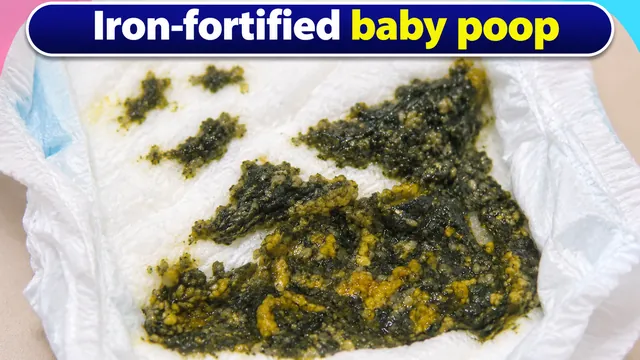
Seeing green poop in newborns often means your baby’s formula contains iron. Babies absorb iron from breast milk better than iron from formula. That extra unabsorbed iron simply gives the stool a harmless greenish shade. Giving your baby iron drops can also turn newborn poop dark green or almost black. This looks scary, yet it stays completely normal.
However, call your doctor right away if you see black poop and your baby takes no iron supplements. Rarely, blood in the stomach turns baby stool black—a condition doctors call melena. Your pediatrician can check your baby and rule out any stomach bleeding.

Solid Food Baby Poop: How Meals Change Your Baby’s Diapers
Starting solid foods like infant cereal or mashed bananas changes your baby’s diapers almost right away. Breastfed babies show the biggest shift during this stage. Solid-food stools usually turn brown or dark brown and feel thicker than peanut butter, though they stay mushy. Expect a much stronger odor than before, too.
The texture of infant poop colors and stools will shift based on what your baby eats each day. One diaper might look firm and pebble-like, while the next stays loose like mustard. Most changes remain completely harmless. Only call your doctor if your baby strains hard in pain or goes several days without pooping.

Undigested Food in Baby Poop: When Chunks and Colors Are Normal
Sometimes you will spot small pieces of food or bright colors in your baby’s diaper. A sudden shift in infant poop colors—like orange from sweet potatoes, green from peas, or red from tomatoes—rarely means trouble. You might even notice tiny bits of tomato skin or pea hulls mixed into the stool.
This happens because certain foods break down slowly or move quickly through your baby’s digestive tract. Eating a large portion of one food or swallowing without chewing well also leaves visible bits behind.
Call your pediatrician if you see undigested food in almost every diaper over several days. Your doctor can check that your baby’s stomach absorbs nutrients properly.
Constipated Baby Poop: Signs, Causes, and Simple Relief
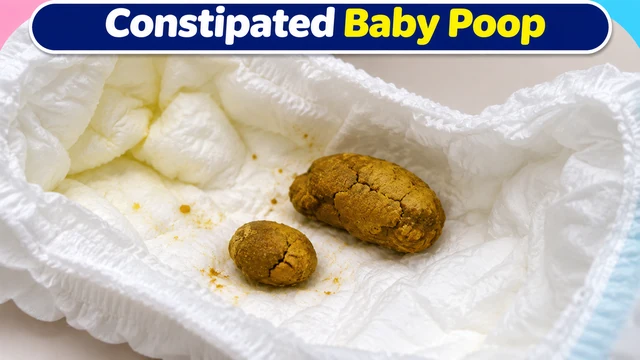
Hard, dry stools that look like small pebbles usually mean your baby feels constipated. Your little one may strain, turn red, or cry while trying to pass firm newborn poop or toddler stools. Sometimes hard waste irritates the delicate skin on the way out, leaving tiny streaks of blood on the diaper.
Passing one or two pebbly diapers rarely signals a serious issue. However, you should contact your pediatrician if firm stool for newborn babies or older infants continues, causes fussiness, or shows blood.
Constipation commonly starts when babies begin eating solid foods or need more fiber in their meals. Depending on your baby’s age, your doctor may suggest small sips of plain water, pear juice, or prune juice to soften stools gently.

Mucus in Baby Poop: Common Causes and When to Call a Doctor
Finding shiny, jelly-like strings in your baby’s diaper means their stool contains mucus. Sometimes green poop in newborns or older infants looks slimy simply because they swallow extra drool during teething. That saliva often passes right through their gut without breaking down.
However, slimy newborn poop can also point to a mild stomach infection or a food sensitivity. In rare cases, mucus means your baby struggles to absorb nutrients properly from breast milk or formula.
Call your pediatrician if slimy diapers continue for two days or longer. Reach out right away if mucus appears alongside fever, fussiness, or watery diarrhea so your doctor can check for underlying issues.

Blood in Baby Poop: Common Causes and When to Call a Doctor
Spotting red in your baby’s diaper can feel scary, yet many causes remain harmless. A cow’s milk protein intolerance or tiny skin tears from passing hard stools often leave light red streaks. Most babies outgrow cow’s milk intolerance by age one once you remove dairy from your diet or switch to a dairy-free formula.
Fresh bleeding near the bottom looks bright red, while digested blood turns newborn poop dark or black. Occasionally, red food coloring or liquid medicines also tint infant poop colors reddish without any actual bleeding.
Contact your pediatrician whenever you spot blood, especially in these three situations:
- Normal Stools with Red Streaks: This often points to a cow’s milk protein sensitivity.
- Hard Stools with Bright Red Spots: Passing firm stool for newborn babies or older infants can cause tiny anal tears or mild hemorrhoids.
- Diarrhea Mixed with Blood: Watery stools containing red blood may signal a bacterial infection.
Sometimes black blood appears as tiny specks that look like sesame or poppy seeds. Breastfed babies often swallow small amounts of blood from cracked, sore nipples during nursing. While this does not harm your baby, call your doctor to rule out deeper intestinal bleeding and get relief for sore nipples.

Pale or White Baby Poop: Why Pale Stools Need Urgent Care
Most unusual diaper colors turn out completely harmless, yet chalky white, gray, or pale yellow stools require fast medical attention. A lack of color in newborn poop can signal biliary atresia, a rare condition that blocks tubes carrying bile from the liver to the gallbladder. Bile normally breaks down fats and gives healthy infant poop colors their familiar brown, yellow, or green shades.
Call your pediatrician right away if your baby passes very pale or clay-colored stools. While biliary atresia remains rare, doctors treat it with surgery to clear the blocked bile ducts. Early diagnosis matters greatly because this surgery works best before your baby turns two months old.
Baby Diarrhea: How to Spot It and When to Call a Doctor
True breastfeeding infant diarrhea or newborn diarrhea looks very watery, containing far more liquid than solid waste. These loose stools can appear yellow, green, or brown and often leak or burst out of the diaper.
A sudden stomach bug, infection, or food allergy can trigger newborn poop to turn overly watery. Untreated diarrhea quickly drains fluids from a tiny body and causes dangerous dehydration. Contact your pediatrician right away if you notice any of these four warning signs:
- Signs of Dehydration: Look for dry lips, crying without tears, fewer wet pee diapers, or unusual sleepiness.
- Lasting Loose Stools: Reach out if watery diapers continue for more than two days without improvement.
- Blood or Mucus: Call your doctor if you spot red blood streaks or thick, slimy mucus in the diaper.
- Accompanying Fever: Seek medical advice promptly whenever diarrhea appears alongside a fever.
Constipation vs. Infant Dyschezia: Why Your Baby Strains
Many parents mistake normal straining for constipation, yet a temporary condition called infant dyschezia often explains the fuss. Babies under nine months frequently grunt, push, or cry for several minutes before passing completely soft newborn poop. They simply have not learned how to relax their pelvic muscles while pushing at the same time.
Checking the final texture of stool for newborn babies and older infants reveals the true difference between these two conditions:
Signs of True Constipation
- Hard Texture: Stools come out dry, firm, or shaped like tiny pebbles.
- Visible Pain: Your baby cries in discomfort while passing hard waste.
- Fewer Diapers: Bowel movements happen much less often than usual.
- Blood Streaks: Hard stools may leave tiny red spots on the diaper.
Signs of Infant Dyschezia
- Loud Straining: Your baby cries, grunts, and pushes hard right before pooping.
- Red Face: Their face turns bright red or purple from effort.
- Soft Stools: The final poop comes out completely soft, mushy, or liquid.
- Normal Growth: Your baby feeds happily and gains weight right on schedule.
Unlike adults, babies must practice coordinating the muscles needed for bowel movements. Straining alone does not mean your baby feels constipated—soft stools prove their tummy works just fine.
Treating Constipation: Foods That Help Soften Baby Poop
Solid foods naturally make newborn poop or older baby stools firmer than milk stools. Sometimes those new foods slow digestion and cause mild constipation. Adding high-fiber foods like beans and whole grains helps move stool for newborn babies or solid-food eaters along. Natural probiotics like yogurt and sauerkraut also support healthy gut bacteria.
Offering gentle “P fruits” helps soften hard stools naturally:
- Prunes: High fiber and natural sugars draw water into the stool.
- Peaches: Soft texture and gentle fiber ease tough bowel movements.
- Pears: Mild natural sweetness and fiber help loosen firm waste.
- Plums: Helpful fiber supports smoother, more regular trips to the diaper table.
How to Relieve Baby Gas: Simple Ways to Help Your Baby Poop
Passing gas shows that your baby’s digestive system is active and moving properly. However, if your baby seems fussy and has not passed newborn poop in a while, trapped air might be building up inside their belly.
Gentle physical movement helps release trapped gas and gets stool for newborn babies moving smoothly again. Try these three easy methods at home:
- Bicycle Legs: Lay your baby on their back and gently move their legs in a slow pedaling motion, or rock their knees softly from side to side.
- Supervised Tummy Time: Place your baby on their stomach while they are awake to apply light, natural pressure against their belly.
- Warm Bath: Soak your baby in a warm bath to relax tight stomach muscles and ease discomfort.
Baby Poop Chart By Age
| Age | Stage / Poop Name | Poop Color | Description & Frequency | Doctor Requirement |
|---|---|---|---|---|
| Before Birth (In Womb) | Prenatal Meconium | Greenish or brownish (in amniotic fluid) | Passed inside the womb before delivery, often near or past the due date or during fetal stress. | Doctors monitor closely during labor; call your provider right away if broken water looks green, brown, or dark. |
| Days 1 to 2 | Meconium | Black or dark green | Thick, sticky, tarry first stool for newborn babies that clears out waste swallowed in the womb. | Call your doctor if black stools continue many days after birth or if your baby shows newborn danger signs. |
| Days 3 to 4 | Transitional Stools | Yellow-green or greenish-brown | Lighter, looser stools as milk digestion starts and meconium clears out. | Contact your pediatrician if stools stay pale, bloody, or slimy with heavy mucus. |
| Day 5 to 6 Weeks | Milk Stools (Breastfed vs. Formula) | Mustard yellow, yellow, tan, or green | Breastfed stools look loose, runny, and seedy with mild odor; formula stools look firmer (soft clay or peanut butter) with stronger odor. Frequent daily poops are normal. | Exclusively breastfed babies under 6 weeks should poop daily; call if they skip days, have chalky white poop, or show blood or mucus. |
| Over 6 Weeks (Milk Only) | Mature Milk Stools | Yellow, tan, green, or brown | Breastfed babies may go several days (up to 1–2 weeks) between soft stools; formula babies often average once daily. Straining with soft stool is often infant dyschezia. | Call your doctor if stools turn hard pebbles, pure watery diarrhea lasts over two days, or you see white stool, blood, or mucus. |
| Starting Solid Foods (~6 Months+) | Solid Food Stools | Brown, yellow, green, or mixed shades | Thicker, more formed stools with stronger smell and occasional bits of undigested food; high-fiber foods and “P fruits” help soften firm stools. | Contact your pediatrician for lasting constipation, hard painful stools, blood, white color, or diarrhea lasting more than a couple of days. |
What Does Diarrhea in Infants Look Like
Recognizing what does diarrhea in infants look like helps you catch dehydration early. While normal newborn poop feels soft or mushy, diarrhea looks pure liquid and soaks straight into the diaper like urine.
- Watery Texture: Stools lose all pasty or seedy thickness and leave a wet ring inside the diaper.
- Sudden Frequency Spike: Your baby fills far more dirty diapers than their usual daily routine.
- Color Shifts: Liquid stools may look bright yellow, green, or dark brown and smell unusually foul.
- Warning Signs: Call your pediatrician if watery stools last over 24 hours or come with fever, dry lips, or fewer wet diapers.
Greenish Newborn Poop
Spotting greenish newborn poop in the diaper rarely signals an emergency. Several harmless digestive changes explain why healthy infant poop colors shift from yellow to green.
- Transitional Stage: Around days three and four, dark meconium mixes with yellow milk stools to create a greenish-brown shade.
- Foremilk Imbalance: Drinking more watery foremilk than fatty hindmilk during nursing often produces bright green stools.
- Iron-Fortified Formula: Extra iron in standard infant formula naturally gives stool for newborn babies a dark green tint.
- When to Check: Plain green poop is fine, but call your doctor if it turns slimy with heavy mucus or watery diarrhea.
Foamy Stool in Infants
Seeing foamy stool in infants usually points to extra air or fast digestion moving through your baby’s tummy. Bubbles appear when milk sugars ferment quickly in the gut.
- Lactose Overload: Getting too much sugary foremilk before reaching rich hindmilk creates frothy, green, bubbly stools.
- Swallowed Air: Fast feeding, crying before meals, or a shallow latch pushes air through the digestive tract.
- Simple Feeding Fixes: Let your baby finish draining one breast completely before offering the second side.
- Medical Check: Contact your pediatrician if frothy stools persist alongside poor weight gain, blood streaks, or severe fussiness.
How Many Dirty Nappies Should a Newborn Have
Parents often wonder how many dirty nappies should a newborn have—or dirty diapers—to prove feeding goes well. Daily counts shift quickly during the first weeks of life.
- Days 1 to 2: Expect one to two thick, dark meconium diapers each day right after birth.
- Days 3 to 4: Dirty diapers rise to three or four daily as transitional stools begin.
- Day 5 to 6 Weeks: Most newborns pass three to five soft, yellow dirty diapers every day, often right after feedings.
- After 6 Weeks: Exclusively breastfed babies may slow down to once every few days, while formula-fed babies average once daily.
Breastfeeding Infant Diarrhea
Identifying breastfeeding infant diarrhea feels tricky because healthy breastfed stools already look loose and seedy. Watching for sudden changes helps you tell normal milk stools apart from true illness.
- Pure Watery Consistency: Instead of soft yellow curds, diarrhea looks completely liquid and leaks out of the diaper.
- Keep Nursing: Continue breastfeeding frequently, as breast milk provides ideal hydration and antibodies to fight tummy bugs.
- Check Maternal Diet: Rarely, cow’s milk protein in your diet irritates your baby’s gut and causes watery, mucus-filled stools.
- When to Call a Doctor: Reach out right away if watery diapers come with fever, blood, vomiting, or fewer wet pee diapers.
FAQs (Frequently Asked Questions)
1. Why does my baby grunt and turn red when trying to poop?
Babies often strain and turn red in the face simply because pooping while lying flat on their backs takes extra effort. Doctors call this harmless phase infant dyschezia. As long as your baby passes soft newborn poop in a healthy shade, they are not constipated.
2. How can I help my baby pass stool more easily?
You can gently massage your baby’s tummy in clockwise circles or move their legs in a slow bicycle motion. These simple movements apply light pressure to the belly and help push stool for newborn babies out smoothly.
3. When should I call a doctor if my baby hasn’t pooped?
While skipping a day or two rarely signals an emergency, contact your pediatrician or nurse if your baby goes four days without pooping. They can check your baby and suggest safe ways to get things moving again.
4. Is it okay if my baby does not poop every day?
Exclusively breastfed babies under six weeks old should pass newborn poop every single day. Skipping a day during those early weeks may mean your baby needs to feed more often, so check with your pediatrician. Once babies pass six weeks of age, skipping a day or two between bowel movements becomes completely normal.
5. How can I tell if my baby is healthy and getting enough milk?
Tracking daily wet and dirty diapers offers the easiest way to check your baby’s health. Plenty of wet pee diapers and regular stool for newborn babies confirm that your little one drinks enough milk.
6. How often should I change my baby’s diaper?
Change your baby’s diaper right after every bowel movement to prevent painful diaper rash. Most newborns poop four or five times daily, often needing 10 to 12 total diaper changes each day. Even if a diaper only holds urine, change it more frequently whenever your baby’s skin looks pink or sore.
7. How do I know when a wet diaper is full?
Pouring two to four tablespoons of water into a dry disposable diaper shows you how heavy a full one feels. Many disposable diapers also feature a colored wetness line that shifts shade when wet. For cloth diapers, simply feel the extra weight or peek inside.
8. Can I give my baby water or juice for constipation?
Always ask your pediatrician before offering any liquids besides breast milk or formula. For babies older than two months, doctors sometimes suggest offering one ounce of plain water, apple juice, or prune juice.
9. Should I worry about how my baby’s poop smells?
No, every baby passes smelly gas and stools that change scent as their diet shifts. Instead of focusing on odor, pay attention to feeding habits, wet diaper counts, and healthy infant poop colors.
10. When should I call a doctor about my baby’s poop?
Contact your pediatrician if newborn poop looks chalky white, pale gray, or contains blood or heavy mucus. You should also reach out if diarrhea or constipation lasts more than two days.
11. What does baby poop look like with a milk allergy?
A cow’s milk protein allergy or intolerance often causes watery diarrhea, slimy mucus, or tiny blood streaks in the stool. Call your doctor so they can guide you on dairy-free feeding options.
12. What does baby diarrhea look like?
True diarrhea looks very watery rather than pasty and can appear yellow, green, or brown. Watch closely for dry lips, fewer wet diapers, or extreme sleepiness, and call your doctor if symptoms last.
13. What kinds of baby poop are normal?
Healthy baby stools cover a wide mix of textures, from runny and seedy to soft and peanut-butter thick. Shades of yellow, green, and brown—even with occasional bits of undigested food—all fall within the normal range.
14. Is it normal for my newborn to poop after every feeding?
Yes, passing newborn poop after every feeding is completely normal during the early weeks. Frequent dirty diapers show that your baby is feeding well and getting enough milk. While some babies slow down around six weeks old, others keep pooping after every meal for several months.
15. How long can an older breastfed baby go without pooping?
Once past the newborn stage, an exclusively breastfed baby can sometimes go one to two weeks without a bowel movement. Breast milk leaves very little solid waste behind for the body to pass. As long as the eventual stool comes out soft, skipping days does not mean your baby has constipation.
16. Should I worry if my baby suddenly starts pooping much more often?
Frequent bowel movements rarely signal a problem if your baby feeds well and acts happy. However, contact your pediatrician if stool for newborn babies suddenly turns extra watery, which can indicate diarrhea or an infection. Also call your doctor if frequent poops come with a swollen belly, blood, hard pebbles, or your baby pulling their legs up in pain.
17. Does frequent pooping make my baby more likely to get diaper rash?
Yes, constant contact with dampness and stool easily irritates delicate newborn skin. Prevent painful rashes by changing dirty diapers right away and gently cleaning the area with warm water. Apply a thick layer of zinc oxide cream or petroleum jelly, and give your baby a few diaper-free minutes each day to air dry.
18. What is the dark, sticky poop in my newborn’s first diapers?
During the first one to two days after birth, your baby passes thick, greenish-black newborn poop called meconium. This sticky substance clears out everything your baby swallowed inside the womb. Within a few days of feeding, the stool gradually shifts to a healthy yellow or mustard shade.
19. How does formula-fed baby poop differ from breastfed baby poop?
Breastfed stool for newborn babies usually looks runny, mustard-yellow, and carries a very mild scent. In contrast, formula-fed babies pass firmer, darker brown stools that have a noticeably stronger odor.
20. How does a formula-fed baby’s poop schedule change over time?
Formula-fed newborns often fill up to five dirty diapers each day during their first few weeks. After a couple of months, their digestion matures and bowel movements naturally slow down to about once a day.
21. How many poops are normal for a newborn in a day?
Most newborns pass newborn poop four to five times daily during their first few weeks. However, anywhere from one dirty diaper a day to one after every feeding falls inside the healthy range.
22. How many times should a 2-week-old baby poop a day?
At two weeks old, breastfed babies often poop three to five times a day, while formula-fed babies average one to four daily bowel movements. Steady weight gain and plenty of wet diapers matter much more than an exact count.
23. How often should a 1-month-old baby poop?
By one month of age, bowel movements vary widely from several times a day to once every few days. As long as the stool stays soft and your baby feeds happily, both patterns remain healthy.
24. My newborn hasn’t pooped in 2 days. Is this normal?
During the first six weeks, exclusively breastfed babies should poop every day, so skipping two days calls for a quick check with your pediatrician. After six weeks old, going several days without pooping becomes completely normal as long as the eventual stool is soft.
25. My newborn isn’t pooping but peeing. Is this normal?
Yes, plenty of wet pee diapers show that your baby stays well hydrated and gets enough milk. If your baby is under six weeks old and skips pooping for over a day, mention it to your doctor just to confirm feeding goes smoothly.
26. Why is my newborn passing gas but no poop?
Passing gas proves that your baby’s digestive tract is active and moving properly. Babies often need extra time to coordinate relaxing their pelvic muscles while pushing, so gas escapes easily before stool follows.
27. What does normal newborn poop look like?
Healthy stool for newborn babies ranges from runny and seedy to soft and peanut-butter thick. Normal colors include mustard yellow, tan, green, and light brown, depending on how you feed your baby.
28. What does breastfed newborn poop look like?
Breastfed newborn poop typically looks loose, runny, and mustard-yellow with tiny white seed-like flecks. It also carries a mild, slightly sweet smell rather than a strong odor.
29. What does a formula-fed baby poop chart show?
A formula-fed chart shows thicker stools shaped like soft clay or peanut butter in shades of yellow, tan, or greenish-brown. Formula-fed stools also smell noticeably stronger than breastfed stools.
30. Why is my formula-fed baby’s poop yellow and seedy?
Yellow, slightly seedy poop happens when milk fats and proteins pass through your baby’s immature digestive system. Even on formula, this texture is completely normal and shows healthy digestion.
31. What are the different stages of newborn poop?
Newborn stools move through three clear stages:
- Meconium (Days 1–2): Thick, sticky, greenish-black waste cleared from the womb.
- Transitional Stools (Days 3–4): Lighter greenish-brown, looser diapers as milk digestion begins.
- Milk Stools (Day 5+): Regular yellow, tan, or green stools shaped by breast milk or formula.
32. What does a newborn poop color chart show?
A color chart matches diaper shades to digestive health. Yellow, green, and brown indicate healthy digestion, while chalky white, red blood, or lingering black after day four signal a need for medical care.
33. Why is my newborn’s poop green?
Green infant poop colors often appear when babies drink more foremilk than fatty hindmilk, digest iron-fortified formula, or clear out a mild stomach bug. Plain green stool without other symptoms rarely causes concern.
34. Why is my newborn’s poop watery?
Breastfed stools naturally look quite liquid and runny. However, if diapers suddenly turn pure water, leak constantly, or happen much more often than usual, your baby may have diarrhea and need a doctor’s evaluation.
35. What does constipated baby poop look like?
Constipated poop looks hard, dry, and shaped like tiny dark pebbles rather than soft paste. Your baby may also cry in discomfort or leave tiny red streaks from skin irritation.
36. What does mucus in newborn poop mean?
Shiny, jelly-like strings in the diaper often come from swallowed drool during teething or a mild tummy virus. Call your pediatrician if heavy mucus lasts more than two days or appears with fever or diarrhea.
37. What causes blood in newborn poop?
Bright red streaks usually come from a cow’s milk protein intolerance or tiny skin tears from hard stools. Black specks often happen when breastfed babies swallow small amounts of blood from cracked nipples, though any blood warrants a quick doctor call.
38. How can I help my newborn poop and relieve gas?
Gentle movement helps release trapped gas and move stool downward. Try slowly bicycling your baby’s legs, massaging their tummy in clockwise circles, offering supervised tummy time, or giving a warm bath.
39. What positions help a newborn poop?
Holding your baby upright against your chest or supporting them in a gentle squat with knees tucked toward their belly relieves pressure. Lying flat makes pushing harder, so tucked-knee positions help muscles relax.
40. When should I worry about baby poop?
Contact your pediatrician right away if you see chalky white or gray stools, red blood, heavy mucus, watery diarrhea, or hard pebbles. Also call if your baby refuses feeds, runs a fever, or seems unusually sleepy.
41. What are the 7 danger signs in a newborn baby?
Seek urgent medical care if your newborn shows any of these seven warning signs:
- Feeding Trouble: Refusing to nurse or take a bottle.
- Low Energy: Extreme sleepiness or floppy movements.
- Fever or Chills: A rectal temperature of 100.4°F (38°C) or higher, or feeling unusually cold.
- Breathing Changes: Fast breathing, grunting, or flaring nostrils.
- Skin Color Shifts: Pale, bluish, or worsening yellow skin.
- Dehydration: Fewer wet diapers, dry lips, or crying without tears.
- Dangerous Stools: Chalky white poop, bloody diapers, or severe watery diarrhea.
42. What is the 3-3-3 rule for poop?
In general digestive health, the 3-3-3 rule means passing anywhere from three bowel movements a day to one every three days can be normal. For newborns, however, daily dirty diapers matter much more during the first six weeks.
43. What is the 7-second poop trick?
The 7-second poop trick refers to viral social media stretches meant for constipated adults, not babies. Never use adult bowel tricks on an infant—stick to gentle bicycle legs, tummy massage, and pediatric advice instead.
Additional Newborn Poop FAQs
44. How to help a newborn with gas?
Gently move your baby’s legs in a slow bicycle motion while they lie on their back. You can also rub their belly clockwise, offer supervised tummy time, or give a warm bath to release trapped air.
45. What does a baby poop color chart with pictures show?
A visual baby poop chart displays healthy shades of yellow, green, and brown alongside warning colors. It helps parents quickly compare their baby’s diaper against normal milk stools and urgent red-flag shades like chalky white or red.
46. What does breastfed baby poop look like?
Breastfed newborn poop looks loose, seedy, and mustard-yellow, often resembling watery cottage cheese or light mustard. It also smells much milder than formula-fed stool.
47. What does a baby poop chart by age look like?
An age-based chart tracks how diapers shift from dark, sticky meconium in days one and two to yellow or tan milk stools by day five. After six months, the chart shows thicker brown stools as solid foods begin.
48. How often should a 1-month-old baby poop?
A one-month-old baby may pass stool for newborn babies several times a day or once every few days. Both patterns remain healthy as long as the stool stays soft and your baby gains weight steadily.
49. What does normal baby poop look like in pictures?
Photos of healthy baby stools show soft, mushy, or slightly runny textures in shades of mustard yellow, tan, green, or brown. Tiny white milk-fat seeds in breastfed diapers also look completely normal.
50. What does a newborn poop chart show?
A newborn poop chart tracks early digestive changes during the first weeks of life. It shows parents how dark meconium transitions into healthy yellow or green infant poop colors once milk feedings establish.
51. What are the different newborn poop colors?
Normal infant poop colors include black-green meconium at birth, mustard yellow, tan, green, and light brown. Chalky white, gray, or bright red stools are not normal and need a pediatrician’s check.
52. Why is my newborn’s poop green?
Green newborn poop often appears when a baby gets more watery foremilk than rich hindmilk during nursing. Iron-fortified formula or a mild tummy bug can also turn stools green without causing harm.
53. How often should a newborn poop?
Most newborns pass three to five dirty diapers every day during their first month. Some breastfed babies poop after every feeding, while others slow down around six weeks old.
54. How many times should a newborn poop in a day?
Passing anywhere from one to six dirty diapers daily is normal for most newborns. Always focus more on soft stool texture and regular wet pee diapers than hitting an exact daily number.
Newborn Poop: Points To Remember
Yellow, mushy stool is completely healthy for breastfed babies. However, newborn poop goes through several normal shades during the first weeks of life. Use this quick color guide to understand what shows up in your baby’s diaper:
- Black or Dark Green: Your baby’s very first bowel movements look thick, tarry, and greenish-black. Doctors call this early waste meconium.
- Yellow-Green: Stools often shift to a greenish-yellow shade right after meconium clears out.
- Mustard Yellow: Exclusively breastfed babies typically pass loose, seedy stool for newborn babies that resembles light mustard.
- Yellow or Tan: Formula-fed babies usually pass yellow, tan, or slightly greenish stools that feel firmer—similar to soft clay or peanut butter.
- Green: Plain green infant poop colors also appear frequently and rarely signal a problem.
Once your baby starts solid foods, dirty diapers naturally take on many new shades and textures. Bowel frequency also varies widely from baby to baby. Some breastfed infants pass soft stools only once a week, while formula-fed babies average once a day. As long as your baby feeds well, gains weight, and passes soft stools, irregular schedules remain normal.
Contact your pediatrician whenever something about your baby’s diaper habits worries you. Seek medical advice right away if you notice any of these seven warning signs:
- Lingering Black Stools: Poop stays black several days after birth.
- Red Streaks: Stool looks red or contains visible blood.
- Pale Colors: Poop turns chalky white or pale gray.
- Heavy Mucus: Diapers look unusually slimy or full of mucus.
- Watery Diarrhea: Stools turn extra watery, larger, or happen much more often than usual.
- Formula Straining: A formula-fed baby poops far less often and strains in pain.
- Hard Pebbles: Stools regularly come out dry, hard, or painful to pass.
For mild constipation in older babies, your doctor may suggest offering two ounces of water in a sippy cup alongside high-fiber fruits and vegetables. Before calling your pediatrician, jot down the stool’s exact color, texture, size, and frequency. Clear details help your doctor decide quickly if your baby needs care.
Diaper Care: Keep Your Baby Clean, Dry & Comfortable
Frequent diaper changes and gentle cleaning help protect your baby’s delicate skin and reduce diaper rash. Learn how to choose a comfortable diaper and prevent common skin irritation with these helpful guides.
Final Thoughts
Checking every diaper feels overwhelming during your first few weeks of parenting, yet learning what is normal brings real peace of mind. Healthy newborn poop covers a wide range of colors, textures, and schedules—from sticky black meconium at birth to seedy yellow or tan milk stools.
Focus less on hitting an exact daily diaper number and more on soft stool texture, steady feeding, and plenty of wet diapers. Whenever you spot pale white stools, red blood, heavy mucus, or lasting diarrhea, snap a quick photo and call your pediatrician right away. Trust your instincts, keep a simple diaper log if needed, and reach out to your child’s doctor whenever something feels off.
Authoritative Pediatric References & Sources
For parents who want to explore official pediatric guidelines on infant digestion, stool colors, and newborn care, review these trusted medical resources:
- American Academy of Pediatrics (AAP) – HealthyChildren.org: The Many Colors of Baby Poop – Covers normal vs. abnormal stool colors, meconium, and when to contact a pediatrician.
- Mayo Clinic: Infant and Toddler Health – Baby Poop: What to Expect – Details color-by-color stool changes, feeding differences, and warning signs.
- National Health Service (NHS): Baby Poo: What’s Normal and What’s Not – Explains breastfed vs. formula-fed stool transitions and diaper-changing frequency.
- Centers for Disease Control and Prevention (CDC): Infant and Toddler Nutrition – Provides guidance on healthy feeding output, wet diaper counts, and hydration.
- American Liver Foundation: Biliary Atresia & Infant Stool Color Monitoring – Outlines urgent signs of pale, chalky, or clay-colored stools in newborns.
Medical Disclaimer
The information in this guide is written for general educational and informational purposes only and does not replace professional medical advice, diagnosis, or treatment. Every baby develops differently, and digestive habits vary widely from child to child. Always consult your pediatrician, family doctor, or qualified healthcare provider with any questions about your newborn’s health, feeding, or bowel movements. Never ignore professional medical advice or delay seeking urgent care because of something you read online.
🔗 Related Articles
If you are preparing for a newborn, these helpful Blooming Blogs guides can help you plan, prepare, and care for your baby with greater confidence:
- 1. Best Infant Formula for Newborns: Types, Choices & Safety Guide
- 2. Newborn Baby Essentials Checklist for Soon-to-Be Parents
- 3. How to Prepare Formula Milk for a Newborn Baby
- 4. Newborn Baby Care: Complete Guide for New Parents
- 5. Formula Mixing & Bottle Ratio Calculator
- 6. Hospital Bag for Delivery: Complete Checklist for Mom and Baby
- 7. The Ultimate Pregnancy Hospital Bag & Registry Checklist: Your Stress-Free Delivery Guide
- 8. Hospital Bag Checklist Tool
- 9. Rompers for Newborn: Ultimate Guide to Safe Baby Clothes
- 10. Onesies and Rompers: How to Dress Your Newborn Right
- 11. Baby Onesies Buying Guide: Best Soft Outfits for Newborns
🛠️ Try Our Free Interactive Baby Care Tools
Planning your nursery or setting up daily routines? Check out these handy calculators designed to simplify baby care:
🌱 Continue Exploring…
Whether you’re nurturing a newborn, curating a sanctuary for your home and garden, or simply looking to level up your day-to-day life, there’s always a new perspective waiting to be discovered. From practical everyday parenting guidance, women’s wellness information, ideas to make your home more beautiful, tips for caring for pets and plants, or inspiration for your spiritual journey, Blooming Blogs brings useful knowledge together in one place.
Blooming Blogs — knowledge that blooms.
🌸 Blooming Blogs Promise
We’re here to bring you thoughtful, reliable, and helpful insights you can truly count on. Every article on Blooming Blogs is thoroughly researched, crafted with care, and written with genuine empathy to support you in your everyday journey. Your trust means everything to us, and we are dedicated to sharing content that informs, inspires, and makes your life a little easier.
📰 Editorial Notes
Our team strives for clarity, accuracy, and depth in every piece we publish. Content is periodically updated to ensure facts, recommendations, and guides stay relevant over time. While we consult trusted sources and expert research, our goal is always to present complex topics in a simple, practical, and conversational way that works for real life.
⚠️ Disclaimer
The content provided on Blooming Blogs is for informational and educational purposes only and should not be considered professional medical, legal, or financial advice. Always consult with a qualified expert or licensed professional before making decisions related to your health, family, or personal finances. Blooming Blogs is not liable for any actions taken based on the information provided on this website. (For full details, please visit our Disclaimer Policy Page).
💬 Share Your Experience — Leave a Comment
We’d love to hear from you! Did this article help you, or do you have a personal tip or story to share with our community? Drop your thoughts, questions, or feedback in the comment section below. Every voice enriches our community, and we read every single comment!