
Introduction
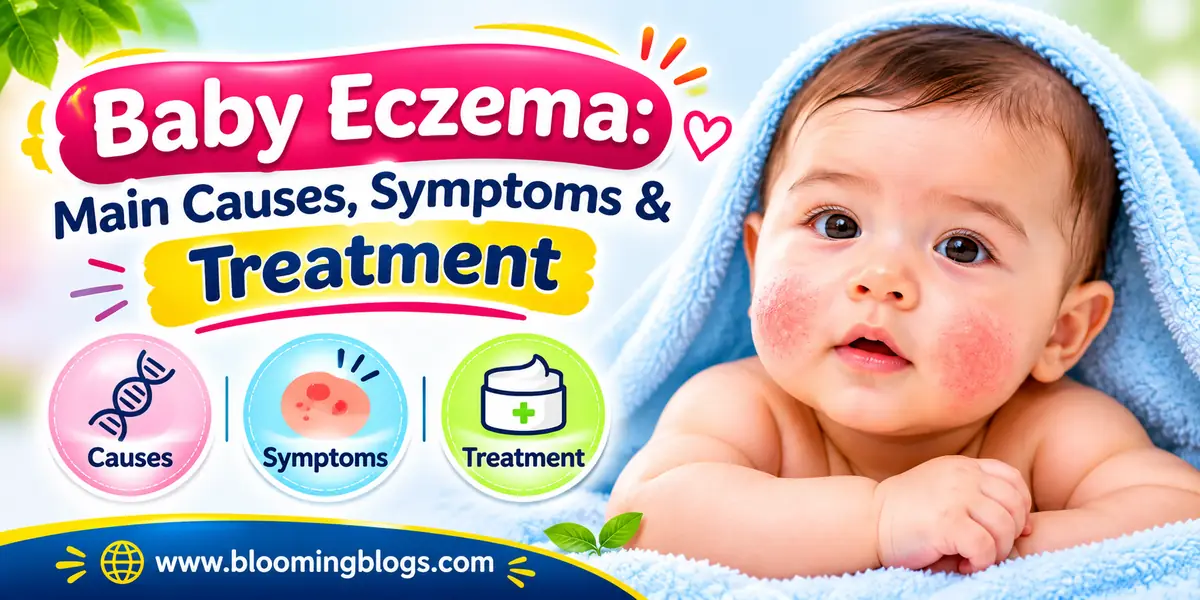
Bringing a newborn home fills your days with joy and a few new worries. Seeing dry, red patches on soft skin often alarms first-time parents. Baby eczema is a very common condition, yet it puzzles many families at first. Knowing the early signs helps you protect your little one right away.
Think about how rough constant itchiness feels on sensitive skin. Many babies deal with that exact discomfort every day. Eczema on newborn skin—also called infantile atopic dermatitis—causes redness, dryness, and irritation. It is not contagious, and it does not threaten your child’s life. Still, flare-ups make sleep and comfort hard for everyone at home.
Up to one in four children develop eczema in infants within their first year. Family genes and everyday triggers often spark these itchy rashes across the cheeks, arms, or legs. Doctors do not have a permanent cure yet. However, a steady care routine brings fast relief. With the right baby eczema cream and gentle habits, you can calm flare-ups and keep your baby smiling.
What Is Baby Eczema and How Common Is It?
Baby eczema (pronounced “eg-zuh-MUH”) is a group of skin conditions that cause red, dry, itchy, and bumpy patches. Doctors often call the most common form infantile atopic dermatitis. It usually appears on your little one’s cheeks, forehead, and scalp during the first few months of life.
Worldwide, eczema in infants affects roughly 10% to 20% of children, including about 15% of kids in the United States. Most cases start between six months and five years of age. Fortunately, this condition is completely non-contagious. Your child cannot catch it from another baby or pass it to siblings.
Why Does Eczema Happen on Delicate Skin?
Many babies inherit a tendency toward sensitive skin through family genes. If you or your partner have a history of eczema, asthma, or seasonal allergies, your baby faces a higher chance of developing newborn eczema.
Some infants are born without enough of a special skin protein that builds a strong outer barrier. Without that sturdy shield, moisture escapes easily, and everyday irritants or allergens slip inside. Over time, this weakened barrier can lead to painful blisters, skin infections, or stronger allergic sensitivities.
Common Types of Eczema in Babies and Toddlers
Understanding the specific type of rash helps you choose safer daily care. Four main types show up in young children:
- Atopic dermatitis: The most frequent form, causing chronic dry, itchy, and inflamed patches.
- Contact dermatitis: A temporary flare-up triggered when skin touches harsh soaps, fragrances, or rough fabrics.
- Seborrheic dermatitis: Often called “cradle cap,” this type creates yellowish, scaly flakes on a baby’s scalp.
- Dyshidrotic eczema: A less common form that causes tiny, itchy blisters on the hands and feet.
While doctors do not have a permanent cure yet, you do not have to feel helpless. Spotting triggers early and using gentle newborn eczema treatment options—like thick moisturizers and soothing creams—protects your baby’s skin barrier and keeps both mild and severe flare-ups under control.
Main Causes & Symptoms of Newborn Eczema
Early Signs and Symptoms of Baby Eczema
Spotting the early signs of eczema on newborn skin helps you soothe flare-ups before they worsen. While mild dryness is normal for newborns, stubborn dry patches paired with redness usually point to baby eczema. Watching these changes closely lets you step in early with gentle care.
Where Eczema Appears by Age
A bumpy rash is the clearest sign of eczema in infants, and its location shifts as your child grows:
- Under 6 months old: Rashes usually show up on the scalp, forehead, cheeks, chin, and around the mouth.
- After 6 months old: Patches often move to the elbows and knees, where crawling rubs and irritates the skin.
- Diaper area: This region usually stays clear because diapers trap natural moisture against the skin.
Skin tone also changes how baby eczema looks. On lighter skin, flare-ups appear bright red or pink. On darker skin tones, rashes often look darker than the surrounding skin, while skin near the elbows and knees may look slightly paler.
8 Key Symptoms Every Parent Should Watch For
Look closely for these common signs of eczema on infants:
- Excessively dry skin: Rough, flaky patches can show up almost anywhere on your little one’s body.
- Cracked or bleeding skin: Severe dryness sometimes causes delicate skin to split and bleed slightly.
- Discolored, bumpy patches: Irritated spots feel rough to the touch and change color during active flare-ups.
- Small, fluid-filled blisters: Tiny bumps or blisters can form across inflamed areas of skin.
- Oozing or weeping rashes: Flare-ups may turn very red and look wet or weepy as fluid leaks out.
- Signs of skin infection: A yellow crust or tiny, pus-filled bumps signal that bacteria have entered broken skin.
- Fussiness and irritability: Constant skin irritation often makes babies cranky, restless, and hard to comfort.
- Interrupted sleep patterns: Intense itching wakes babies up at night and disrupts healthy rest for the whole family.
What Causes Newborn Eczema and Baby Flare-Ups?
Doctors do not know one single reason behind baby eczema. Instead, a mix of genetics and environmental factors drives what causes newborn eczema. Understanding how both pieces work helps you protect delicate skin early.
1. Internal Causes: Genes, Skin Barrier, and Bacteria
Four internal factors make certain infants prone to eczema in infants:
- Family history and risk factors: Babies face a higher chance of developing atopic dermatitis if they or their family members have a history of eczema, allergies, hay fever, or asthma.
- Weak skin barrier (low filaggrin): Many infants carry a gene variation that limits a special protective protein called filaggrin. Without enough filaggrin, the outer skin layer (epidermis) loses moisture fast and cannot block bacteria, irritants, or allergens properly.
- Excess skin bacteria: Too much Staphylococcus aureus bacteria on the skin can crowd out helpful bacteria and weaken the skin barrier further.
- Overactive immune response: A fragile skin barrier often triggers an aggressive immune reaction, leading to red, swollen, and itchy patches.
(Note: Atopic dermatitis is just one type of dermatitis alongside contact dermatitis and seborrheic dermatitis, or dandruff. None of these conditions are contagious.)
2. Environmental Triggers That Spark Flare-Ups
Genes create sensitivity, while everyday contact often sets off eczema on newborn skin:
- Harsh product irritants: Strong soaps, added fragrances, and harsh chemicals in baby washes or lotions easily irritate fragile skin and worsen flare-ups.
- Airborne and environmental factors: Everyday exposures like tobacco smoke, dust, and dry air pass through a weakened skin barrier and spark redness.
- Food allergens: In certain sensitive babies, specific foods—such as cow’s milk, eggs, or nuts—can contribute to eczema symptoms.
Common Triggers That Spark Baby Eczema Flare-Ups
Every little one has unique skin that reacts differently to the world around them. Everyday surroundings often trigger baby eczema flare-ups without warning. Spotting these specific triggers helps you avoid them and reduce painful outbreaks over time.
Watch out for these six common triggers of eczema in infants:
- Everyday allergens: Pet dander, household dust, seasonal pollen, and certain foods frequently irritate sensitive skin.
- Scented baby products: Baby wipes, talcum powder, and heavily fragranced lotions often sting delicate skin barriers.
- Rough or irritating fabrics: Certain clothing materials, bedsheets, and blankets rub against skin and cause redness.
- Household cleansers: Harsh body soaps, shampoos, and scented laundry detergents leave behind residues that spark itching.
- Minor illnesses and infections: Common viral infections, such as a simple cold, often set off sudden skin flare-ups.
- Weather and temperature shifts: High heat, dry indoor air, and trapped sweat quickly dry out and irritate eczema on newborn skin.
Once you pinpoint which items bother your baby most, simple daily swaps can keep flare-ups much calmer and less frequent.
Potential Complications of Baby Eczema
Untreated or severe baby eczema can lead to other health and skin issues over time. Knowing these possible complications helps you manage flare-ups early and protect your little one’s comfort.
Watch out for these nine complications linked to atopic dermatitis and eczema in infants:
- Asthma and hay fever: Many children and adults with atopic dermatitis develop asthma or hay fever, either before or after skin symptoms start.
- Food allergies: People living with eczema frequently develop food allergies, which often cause raised, itchy hives (urticaria).
- Chronic itchy, scaly skin (neurodermatitis): A single itchy patch can trigger a habit of constant scratching. Scratching excites nerve fibers and makes the itch worse, eventually turning the skin thick, leathery, and discolored.
- Lighter or darker skin patches: After a rash heals, the skin may look darker (post-inflammatory hyperpigmentation) or lighter (hypopigmentation) than nearby skin. This change occurs more often in brown or Black skin and can take several months to fade.
- Skin infections: Repeated scratching breaks the skin barrier and creates open cracks or sores. Bacteria and viruses enter these breaks easily, causing infections that can spread and become life-threatening.
- Irritant hand dermatitis: Frequent wet hands and regular exposure to harsh soaps, detergents, and disinfectants often trigger painful hand rashes later in life.
- Allergic contact dermatitis: People with eczema often develop an itchy allergic rash after touching specific trigger substances. The rash color varies based on natural skin tone.
- Sleep problems: Persistent itching during eczema on infants and older children regularly disrupts deep, restful sleep.
- Mental health challenges: Ongoing itching and poor sleep link atopic dermatitis to higher rates of anxiety and depression over time.
Diagnosis and Tests for Baby Eczema
If you spot signs of baby eczema, schedule a visit with your pediatrician right away. Early care often lets your doctor use milder treatments and stops rashes from worsening. Prompt action keeps eczema in infants much easier to manage at home.
What Happens During a Pediatric Exam
In most cases, a pediatrician diagnoses infantile atopic dermatitis without invasive procedures. During the appointment, your doctor will typically follow these steps:
- Examine your baby’s skin: The doctor checks the look, texture, and exact location of the rash across your baby’s body.
- Review symptoms and medical history: Expect questions about when the dryness started and whether allergies or asthma run in your family.
- Ask about daily triggers: Your provider will ask about soaps, lotions, fabrics, and environmental exposures that might irritate eczema on newborn skin.
- Screen for food allergies: If you suspect a specific food caused a flare-up, tell your doctor so they can evaluate possible food sensitivities.
- Rule out other skin conditions: Sometimes doctors order targeted tests to exclude other rashes or identify hidden allergies.
Specialist Referrals and Patch Testing
If your child’s symptoms feel severe or keep returning, your pediatrician may refer you to a dermatologist or an allergist.
To pinpoint exact contact triggers, a specialist might recommend patch testing:
- Apply small test samples: The doctor places tiny amounts of different common allergens onto your child’s skin and covers them with patches.
- Monitor skin reactions: You return for follow-up visits over the next few days while the doctor checks for redness or swelling under each patch.
- Confirm specific allergies: This simple test reveals which exact substances trigger allergic dermatitis, helping you avoid them safely.
How to Prevent Baby Eczema Flare-Ups
Building a gentle daily skincare routine protects your child’s skin barrier and helps prevent baby eczema flares. Simple habits at bath time and around the house keep eczema in infants calm, hydrated, and comfortable.
1. Daily Skincare and Bathing Habits
Follow these six proven steps to lock in moisture and reduce dryness on eczema on newborn skin:
- Moisturize at least twice a day: Apply a safe, affordable, unscented cream, ointment, shea butter, or lotion regularly. Using plain petroleum jelly on your baby’s skin may even help prevent atopic dermatitis from developing.
- Keep baths short and warm: Give a daily bath or shower using warm—never hot—water, and limit bath time to about 10 minutes.
- Skip harsh soaps and bubble baths: Young children usually need only warm water to get clean. If you use a cleanser, choose a gentle, nonsoap formula free of dyes, alcohol, and fragrance. Avoid deodorant or antibacterial soaps, which strip away natural skin oils.
- Never scrub the skin: Wash gently with your hands instead of scrubbing with a rough washcloth or loofah.
- Pat dry and seal in moisture fast: Gently pat skin with a soft towel after bathing, then apply baby eczema cream or ointment within three minutes while skin is still damp.
- Keep fingernails trimmed short: Short, smooth nails prevent scratching and stop delicate skin from breaking during an itch.
2. Home and Clothing Adjustments
Small changes in your baby’s nursery and wardrobe protect fragile skin every day:
- Choose gentle household products: Wash clothes and bedding in mild, hypoallergenic laundry detergents without harsh chemicals or fragrances.
- Dress in soft, breathable fabrics: Pick loose, natural cotton garments and avoid tight-fitting clothes that trap sweat.
- Maintain healthy room humidity: Run a cool-mist humidifier to add moisture back into dry indoor air.
3. Identify and Avoid Common Flare Triggers
Triggers for atopic dermatitis vary widely from one baby to another. Anything that causes an itch can start a scratching cycle and spark a flare. Watch out for these 13 common triggers:
- Rough wool fabric
- Dry skin
- Skin infections
- Heat and sweat
- Physical or emotional stress
- Household cleaning products
- Dust mites and pet dander
- Indoor mold
- Seasonal pollen
- Tobacco smoke
- Cold, dry air
- Added fragrances
- Harsh irritating chemicals
Certain foods—such as eggs and cow’s milk—can also trigger flare-ups in sensitive infants and children. Always talk with your child’s healthcare provider before testing for food allergies or changing your baby’s diet. Once you know your child’s specific triggers, work with your doctor to build a clear plan that prevents future flares.
Safe Newborn Eczema Treatment and Daily Management
Doctors do not have a permanent cure for baby eczema, yet daily care heals delicate skin and relieves itching. Most children naturally outgrow infantile atopic dermatitis between ages 3 and 5. Working closely with a pediatrician or dermatologist helps you build a safe, personalized newborn eczema treatment plan.
Because atopic dermatitis can feel stubborn, you may try several approaches over months or years. Even after symptoms clear up, flare-ups can still return. Sticking to a steady daily routine keeps eczema in infants calm and manageable.
1. Daily Bathing and Moisturizing Routine
Bathing and locking in moisture form the foundation of every eczema on newborn care plan:
- Give short lukewarm baths: Bathe your child every day or every other day for 5 to 10 minutes in lukewarm water. Avoid excessive bathing, which strips moisture and dries out fragile skin.
- Use mild, soap-free cleansers: Pick a cleanser labeled fragrance-free and hypoallergenic, then rinse completely before drying.
- Apply moisturizer on damp skin: Gently pat your baby dry and smooth on a fragrance-free baby eczema cream, emollient, or plain petroleum jelly while skin is still damp.
- Moisturize at least twice daily: Reapply best lotion for newborn eczema or ointment throughout the day—such as during diaper changes—whenever skin looks dry. Keep up this routine even after the rash looks clear.
- Patch-test new products: Test any new cream on a small spot of skin first to confirm your baby tolerates it well.
2. Trigger Control and Scratch Protection
Simple home habits stop flare-ups early and protect irritated skin from damage:
- Avoid daily irritants: Keep your baby away from itchy fabrics, harsh soaps, and extreme heat or cold. An allergist can run skin tests if regular environmental allergens trigger flares.
- Prevent nighttime scratching: Trim fingernails short and slip soft cotton mittens over your baby’s hands during sleep.
3. Medical Treatments for Stubborn Flare-Ups
When moisturizing and self-care habits are not enough, doctors recommend targeted medical options:
- Topical corticosteroids: For mild flare-ups, apply over-the-counter 1% hydrocortisone ointment twice daily for no longer than one week. For moderate or severe rashes, follow your doctor’s directions on prescription-strength anti-inflammatory creams to avoid side effects.
- Antihistamines: Pediatricians sometimes prescribe antihistamines to calm severe itching and help your baby sleep better.
- Wet wrap therapy: Placing damp dressings over thick moisturizers traps hydration and speeds up skin barrier repair.
- Controlled bleach baths: Ask your child’s healthcare professional whether dilute bleach baths might safely ease stubborn skin symptoms.
- Advanced prescription therapies: In severe cases, doctors may consider immunomodulators or systemic corticosteroids to calm widespread inflammation.
4. When to Call Your Pediatrician Right Away
Schedule a medical exam promptly if your baby’s rash persists despite daily care, turns crusty or weepy, develops blisters, or appears alongside a fever.
Key Care Rules, Healing Timeline, and Warning Signs for Baby Eczema
Understanding simple daily habits and recovery timelines helps you manage baby eczema with confidence. Knowing when to call your pediatrician also protects your child from avoidable skin complications.
1. What Is the 3-Minute Rule for Baby Eczema?
The 3-minute rule means applying moisturizer within three minutes of lifting your child out of the bath. Follow these three quick steps after a warm bath to calm eczema on newborn skin:
- Gently pat dry: Use a soft towel to pat your baby’s skin dry, taking care never to rub irritated patches.
- Apply moisturizer immediately: Smooth a generous layer of baby eczema cream onto their slightly damp skin within three minutes.
- Lock in hydration: Sealing in bathwater protects the delicate skin barrier, prevents dryness, and relieves stubborn itching fast.
2. How Soon Will My Baby Feel Better After Treatment?
Once you start a consistent newborn eczema treatment routine, your baby’s itching and redness often start easing within a couple of days. However, delicate skin repairs itself slowly, so complete healing usually takes several weeks.
3. When Should My Baby See a Doctor After Treatment?
Infants with eczema in infants face a higher risk of skin infections because their outer barrier cannot block germs well. Scratching also breaks open fragile skin and lets bacteria or viruses enter the body.
Contact your baby’s healthcare provider right away if you notice any of these five infection warning signs:
- Fluid-filled blisters or open sores appearing on or near the rash.
- A yellow crust forming over or around inflamed eczema patches.
- Swelling with dark red or purple discoloration spreading across the rash.
- Pain or strong sensitivity whenever you gently touch the affected area.
- Fever or chills, which signal that an infection needs prompt medical care.
Prevention Tips for Baby Eczema
Living with baby eczema means managing dry, itchy patches that tempt your little one to scratch. Stopping a baby from scratching feels tough, yet open scratches raise the risk of painful skin infections. Keeping delicate skin hydrated with baby eczema cream, ointments, or gentle lotions eases itching and protects against flare-ups. Always schedule a visit with your pediatrician if symptoms worsen or show signs of infection.
1. Does Baby Eczema Go Away on Its Own?
Consistent care helps eczema in infants clear up completely, and daily moisturization remains the best defense. Applying a gentle moisturizer once or several times each day keeps fragile skin hydrated and calm.
Many children outgrow baby eczema by the time they start school. However, some kids continue having symptoms through their teenage years and into adulthood. Regardless of when active rashes fade, your child may still have sensitive skin or occasional flare-ups throughout life.
2. Can You Prevent Infantile Atopic Dermatitis?
Because family genetics play a big role in eczema on newborn skin, parents cannot completely prevent the condition from appearing. Even so, you can lower your baby’s risk of painful flare-ups by following four simple daily habits:
- Avoid known triggers: Keep your child away from common skin irritants and environmental allergens whenever possible.
- Moisturize skin daily: Apply a rich, gentle moisturizer every day to lock in hydration and strengthen the skin barrier.
- Give short, warm baths: Limit bath time to five to 10 minutes using warm—never hot—water so natural skin oils stay intact.
- Pick baby-specific products: Choose mild moisturizers or thick ointments formulated specifically for delicate baby skin.
Medical Treatments for Severe Eczema
When daily moisturizers and gentle skincare do not calm stubborn baby eczema, your doctor may recommend targeted medications. Always discuss treatment choices and preferences with your healthcare provider before starting any medicated product for eczema in infants or older children.
Doctors use five main medication options to control itching, fight infections, and repair damaged skin:
- Medicated creams, gels, and ointments: Topical products come in different strengths to soothe inflammation and repair the skin barrier. Apply any prescribed cream or ointment exactly as directed—usually twice a day—before putting on regular moisturizer. Avoid overusing topical corticosteroids, because too much can cause side effects like skin thinning.
- Calcineurin inhibitor creams and ointments: For children over age 2, doctors sometimes suggest non-steroid creams like tacrolimus (Protopic) or pimecrolimus (Elidel). Apply these products as directed before moisturizing, and keep treated skin out of strong sunlight. While the Food and Drug Administration requires a black box warning due to rare lymphoma reports, 10 years of research found no causal link and no increased cancer risk.
- Antibiotic pills for skin infections: If scratching introduces bacteria into broken skin, your healthcare provider may prescribe oral antibiotics to clear the infection safely.
- Anti-inflammatory pills for severe flare-ups: For severe eczema symptoms, doctors occasionally prescribe oral medications such as cyclosporine, methotrexate, prednisone, mycophenolate, or azathioprine. These pills calm intense inflammation effectively, though doctors limit them to short-term use due to potential serious side effects.
- Injectable biologic therapies: For moderate to severe atopic dermatitis that resists standard newborn eczema treatment and topical care, injectable monoclonal antibodies offer safe, effective relief. Doctors can prescribe dupilumab (Dupixent) for children over age 6, while tralokinumab (Adbry) serves adults.
Additional Therapies for Stubborn Eczema Flare-Ups
When standard creams and daily newborn eczema treatment routines do not clear severe flare-ups, doctors sometimes recommend specialized therapies. Understanding how each option works helps you make safe choices for baby eczema and older children.
Doctors use four main therapeutic approaches to soothe severe symptoms and break the itch-scratch cycle:
- Wet dressings (wet wrap therapy): For severe flare-ups, doctors apply a corticosteroid ointment and seal it under a layer of wet gauze topped with dry gauze. Hospitals sometimes perform this intensive care for widespread rashes because it takes time and skilled nursing support. You can also ask your healthcare provider how to apply wet wraps safely at home.
- Light therapy (phototherapy): Doctors consider light therapy when topical treatments fail or rashes flare up again right away. The simplest method exposes affected skin to controlled natural sunlight, while other methods use artificial ultraviolet A (UVA) or narrowband ultraviolet B (UVB) alone or alongside medications. Because long-term phototherapy carries risks like premature skin aging, skin color changes (hyperpigmentation), and higher skin cancer risk, doctors rarely use it in young children and never give it to eczema in infants. Always weigh the pros and cons with your healthcare provider first.
- Counseling and emotional support: Living with visible, itchy skin often brings frustration or embarrassment as children grow. Talking with a therapist or counselor helps families and older kids cope with emotional stress.
- Relaxation, behavior modification, and biofeedback: These practical techniques help older children and adults stop habitual scratching and calm flare-ups triggered by stress.
Alternative and Natural Remedies for Eczema
Many families explore alternative or integrative approaches alongside standard baby eczema care to ease uncomfortable skin symptoms. Clinical studies back several natural remedies for newborn eczema and older children, though safety always comes first.
Consider these four research-backed options before adding them to your routine:
- Topical cannabinoids: Creams containing cannabinoids help soothe itching and reduce skin thickening when applied directly to irritated spots. Multiple studies spanning more than 10 years report modest symptom relief.
- Natural bath oils: Adding gentle oils—such as soybean oil or mineral oil—to bathwater helps soften and hydrate dry skin. Always use extra caution around bath oils because they make tub surfaces very slippery.
- Manuka honey: People have used manuka honey for centuries as a natural antimicrobial, and studies show it calms skin reactions when applied topically. Never use manuka honey on eczema in infants under 1 year old, because it carries a dangerous risk of infantile botulism.
- Acupuncture and acupressure: Several clinical studies suggest that acupuncture and acupressure help reduce stubborn itching linked to atopic dermatitis.
Before trying any alternative therapy for eczema on newborn skin or older kids, talk with your healthcare provider about its pros, cons, and age safety.
Daily Self-Care Habits to Soothe Baby Eczema
Caring for sensitive skin every day is the first step in calming baby eczema and preventing future flare-ups. Fortunately, simple home-care habits can reduce uncomfortable itching, lock in hydration, and protect your baby’s delicate skin barrier.
By following a consistent routine, parents can help manage eczema in infants and older children while keeping their sensitive skin comfortable.
1. Moisturize Skin at Least Twice a Day
Regular moisturizing is essential for managing baby eczema. First, find a single product or combination that works best for your child’s skin, such as bath oils, creams, lotions, shea butter, ointments, or sprays.
For children, consider applying a thick ointment before bedtime and a lighter cream before school. Since ointments contain more oil, they can help lock in moisture and protect dry skin for longer.
Additionally, choose formulas free from dyes, fragrances, and irritating ingredients. Apply moisturizer generously and allow it to absorb before dressing your child.
2. Use an Over-the-Counter Anti-Itch Cream
Sometimes, moisturizing alone may not provide enough relief during an eczema flare-up. In such cases, a doctor may recommend an over-the-counter anti-itch cream containing 1% hydrocortisone.
However, topical hydrocortisone is a corticosteroid, not a regular moisturizer. Apply it only to affected areas and follow your pediatrician’s instructions regarding frequency and duration. For babies and young children, always seek medical advice before using it.
Once the affected skin improves, your doctor may recommend stopping or reducing its use to avoid unnecessary exposure.
3. Consider Oral Allergy or Anti-Itch Medicines
In some cases, oral antihistamines may help manage itching associated with allergies. Nonprescription options include cetirizine (Zyrtec Allergy) and fexofenadine (Allegra Allergy).
However, antihistamines do not directly treat the underlying skin inflammation caused by eczema. Certain medicines, such as diphenhydramine (Benadryl and others), can cause drowsiness and other side effects.
Therefore, never give antihistamines to a baby or young child without consulting your pediatrician first. This precaution is especially important when managing eczema on newborn skin.
4. Stop Scratching Before It Breaks the Skin
Although scratching may provide temporary relief, it can damage the skin barrier and make itching worse. Furthermore, broken skin increases the risk of bacterial infections.
Instead, gently press or pat itchy patches rather than scratching them. If necessary, cover stubborn spots with soft, breathable clothing.
Also, keep your child’s fingernails trimmed short and smooth. For additional protection at night, soft cotton mittens or socks over the hands may help reduce accidental scratching.
5. Take Short, Warm Daily Baths
Bathing helps remove sweat, dirt, and potential irritants from sensitive skin. However, long or hot baths can make dryness worse.
Therefore, bathe your child once a day using lukewarm water for approximately 5 to 10 minutes. You can also consider finely ground colloidal oatmeal, such as Aveeno, if your child tolerates it.
After bathing, gently pat the skin dry with a soft towel rather than rubbing. Most importantly, apply a suitable baby eczema cream or ointment within three minutes while the skin is still slightly damp to help seal in moisture.
6. Pick a Mild, Nonsoap Cleanser
Harsh soaps can strip away natural skin oils and worsen dryness. For this reason, choose a mild, soap-free cleanser that does not contain unnecessary fragrances, dyes, or irritating ingredients.
Additionally, use only a small amount when needed, particularly on areas that require cleansing.
After washing, rinse the cleanser completely from your child’s skin. Finally, apply a gentle moisturizer to maintain hydration and protect the skin barrier.
7. Ask Your Doctor About Diluted Bleach Baths
For children with frequent or severe eczema flare-ups, dermatologists sometimes recommend carefully diluted bleach baths. According to the American Academy of Dermatology, these baths may help reduce certain skin bacteria and the risk of infections.
However, bleach baths are not suitable for every child and must be prepared correctly. A commonly cited dilution for a standard 40-gallon (151-liter) bathtub is 1/2 cup (118 milliliters) of regular, unscented household bleach, not concentrated bleach.
The recommended approach may involve soaking the body from the neck down for 5 to 10 minutes, followed by a thorough rinse with plain tap water.
Nevertheless, never attempt a bleach bath for a baby or young child without first obtaining specific instructions from your pediatrician or dermatologist. Keep bleach away from the face and eyes, never mix it with other cleaning products, and never leave your child unattended in the bath.
8. Run a Home Humidifier
Hot, dry indoor air can remove moisture from delicate skin and worsen flaking and itching. Consequently, maintaining comfortable indoor humidity may help support your child’s eczema skincare routine.
Consider using a portable humidifier or a furnace-attached unit to add moisture to your home’s air.
However, clean the humidifier regularly according to the manufacturer’s instructions. Otherwise, dirty equipment may spread bacteria or mold into the surrounding air.
9. Choose Cool, Smooth Clothing
Clothing plays an important role in protecting sensitive skin. Rough, tight, or scratchy fabrics can cause friction and trigger uncomfortable itching.
Instead, choose lightweight, breathable fabrics such as soft cotton, especially during warm weather or active play. Additionally, avoid overdressing your child because excessive sweating can aggravate eczema.
Wash all garments using mild, fragrance-free detergents. Similarly, avoid harsh fabric softeners and dryer sheets that may leave irritating residues on clothing.
10. Manage Daily Stress and Anxiety
Emotional stress and anxiety can trigger or worsen atopic dermatitis flare-ups in some children. Although stress does not directly cause eczema, it can contribute to increased itching and discomfort.
Therefore, try to recognize potential stress triggers early and maintain calm, healthy daily routines.
For example, encourage relaxing activities, provide a comfortable sleeping environment, and spend quality time together. Most importantly, remember that a supportive home environment and consistent skincare can make managing baby eczema easier for both parents and children.
6 Practical Ways to Manage Itchy Skin From Eczema
Living with baby eczema often means dealing with intense, uncomfortable itching that disrupts sleep and daily comfort. Fortunately, consistent skincare can help reduce irritation and protect delicate skin. Using prescribed topical steroids (corticosteroids) alongside rich lotions, creams, or ointments (emollients) remains an important part of managing eczema in infants and maintaining a healthy skin barrier.
However, if stubborn itching continues to interrupt your baby’s comfort and daily routine, these six practical strategies can help provide relief.
1. Keep Skin Deeply Moisturized
Dry skin can quickly trigger intense itching and worsen eczema flare-ups. Therefore, apply a suitable baby eczema cream or fragrance-free moisturizer every day. Ideally, do this immediately after bathing while the skin is still slightly damp to help lock in moisture.
Additionally, if the indoor air feels dry, consider using a clean humidifier to maintain comfortable humidity levels in your home.
2. Stay Cool and Prevent Overheating
Excessive heat and sweating can trigger uncomfortable itching on eczema on newborn skin and in older children. For this reason, keep your baby’s surroundings comfortably cool.
Use lukewarm water rather than hot water during baths. Similarly, dress your child in lightweight clothing on warm days and use air conditioning indoors when necessary.
For additional relief, a cool, damp cloth can be gently placed on itchy areas. However, avoid applying frozen packs directly to a baby’s delicate skin. Also, consult your doctor before using cooling lotions containing ingredients such as menthol, especially for infants.
3. Avoid Scratching the Rash
Although scratching may provide temporary comfort, it can damage the skin and make itching worse. In addition, repeated scratching increases the risk of skin infections.
Instead, follow the National Eczema Association’s advice to gently pinch or pat itchy areas rather than scratch them. Keep your baby’s fingernails trimmed short and smooth. You can also cover affected areas with soft, breathable clothing to reduce accidental scratching.
4. Treat Delicate Skin Gently
Gentle skincare is essential when managing baby eczema. During baths or showers, use your hands to wash the skin softly instead of scrubbing with rough washcloths or sponges.
Furthermore, avoid harsh soaps and fragranced cleansers because they can strip away the skin’s natural protective oils. Choose mild, fragrance-free products instead.
When dressing your baby, prefer soft, breathable fabrics such as cotton. These materials help minimize friction and reduce irritation on sensitive skin.
5. Keep Daily Stress Low
Emotional stress can make itching feel more intense for both parents and growing children. Therefore, maintaining a calm and comfortable home environment can make daily eczema management easier.
Try to establish relaxing routines and prioritize activities that reduce unnecessary pressure. For example, enjoy quiet family time, gentle relaxation exercises, yoga, or meditation when appropriate.
Most importantly, remember that managing eczema takes patience. A consistent routine and a supportive environment can make the experience less stressful for everyone.
6. Talk With Your Doctor
If itching continues to interfere with your baby’s sleep, comfort, or everyday activities, speak with your pediatrician or dermatologist.
Sometimes, persistent itching indicates that the current treatment needs adjustment. Your doctor can review your newborn eczema treatment plan, recommend appropriate prescription medications, or explore other targeted therapies designed to control severe itching.
Never increase medication strength or frequency without medical guidance. With the right treatment plan and consistent skincare, many babies experience better symptom control and improved comfort.
Proper Bathing Routines to Calm Eczema and Itching
Done the right way, bath time helps calm baby eczema flares and eases stubborn itching. Warm baths or showers paired with mild, soap-free cleansers belong in every regular skin care plan. Bathing the wrong way irritates delicate skin and makes eczema in infants symptoms worse.
1. Step-by-Step Bathing and Moisturizing Routine
Follow these five steps every bath or shower to protect fragile skin barriers:
- Keep water lukewarm and short: Soak or shower in lukewarm—not hot—water for 5 to 10 minutes using a gentle, soap-free cleanser. Never scrub the skin with a washcloth or loofah.
- Pat skin softly: Use a soft towel to pat your child’s skin gently, leaving it slightly damp.
- Apply prescribed medicine first: Put on any doctor-prescribed topical medication exactly as directed before layering other products.
- Moisturize within 3 to 5 minutes: Smooth a rich baby eczema cream or moisturizer all over within three to five minutes. Waiting too long lets water evaporate and leaves skin even drier.
- Let moisturizer soak in: Give the cream time to absorb before putting on clothes or starting wet wraps.
2. Soaking Bath Additives to Ease Itching
Some people get extra itch relief by adding soothing ingredients to bathwater. Always check with your doctor first to make sure any bath soak fits your child’s age and newborn eczema treatment plan safely.
Here are three bath soaking options to discuss with your provider:
- Diluted bleach bath: The American Academy of Dermatology recommends diluted bleach baths to lower skin bacteria and prevent infections during flares. Mix 1/2 cup (118 milliliters) of regular household bleach—never concentrated bleach—into a standard 40-gallon (151-liter) tub filled with warm water to the overflow drainage holes. Soak from the neck down (or just affected spots) for about 10 minutes without putting the head under water, and limit this soak to no more than twice a week.
- Baking soda bath or paste: The National Eczema Association suggests adding 1/4 cup of baking soda to bathwater or smoothing it onto itchy patches as a paste.
- Colloidal oatmeal soak or paste: Adding colloidal oatmeal to bathwater or applying it directly as a paste helps soothe uncomfortable eczema on newborn and older skin.
How to Spot and Avoid Eczema Triggers
A mix of family genes and everyday irritants drives baby eczema flare-ups. Having a family member with eczema raises your child’s risk. Some people carry a gene variation affecting filaggrin, a vital protein that keeps the top skin layer strong. Without enough filaggrin, water escapes fast and bacteria or viruses slip through eczema on newborn and older skin.
You cannot change family genes. Yet you can calm eczema in infants and cut down flare-ups by learning what sparks reactions.
Tracking Hidden Triggers Over Time
Every child reacts to different triggers. As a rule, avoid anything that makes your child itch, because scratching quickly starts a flare. Watch out for delayed reactions too, since a rash can show up hours or days after contact. Keeping a symptom diary or tracker app makes hidden patterns easier to spot.
11 Common Triggers and How to Handle Them
Look out for these 11 everyday triggers during daily care:
- Dry skin: Brittle, scaly, rough, or tight skin easily sparks a flare. Apply a rich baby eczema cream several times a day to keep skin soft.
- Environmental allergies: Pollen, pet dander, dust mites, and mold often worsen rashes. Dust and vacuum often, and wash sheets and bedding weekly in hot water.
- Soaps and cleansers: Hand soap, dish soap, laundry detergent, shampoo, bubble bath, and body wash can irritate sensitive skin. Pick mild, fragrance-free formulas and skip drying antibacterial soaps.
- Hot water: Hot showers and handwashing strip natural moisture fast. Stick to lukewarm or cool water to keep skin calm.
- Cleaning products: Surface cleaners and disinfectants—even natural ones—can trigger flares. Wear cotton-lined gloves whenever you clean.
- Certain metals: Jewelry and snaps can irritate skin on contact. Watch out for nickel, chromium, cobalt chloride, copper, and gold.
- Tobacco smoke: Cigarette smoke is a frequent irritant for sensitive skin. Ask a doctor for lasting ways to quit if someone in the home smokes.
- Added fragrances: Scented lotions, shampoos, perfumes, cologne, air fresheners, and scented candles often provoke reactions. Skip fragranced products whenever you feel unsure.
- Emotional stress: Stress and anxiety release hormones that boost skin inflammation and worsen rashes. Try calming habits like yoga, meditation, or deep breathing.
- Rough fabrics and tags: Wool, polyester, and scratchy clothing tags frequently rub and irritate skin. Dress your child in loose, breathable cotton or bamboo instead.
- Heat and trapped sweat: Overheating makes itchy skin feel much worse. Use air conditioning and dress in light, airy clothes on warm days, or pause exercise and apply cool compresses if sweat triggers a flare.
Frequently Asked Questions About Baby Eczema
Parents often have quick questions about daily routines, flare-ups, and safe treatments for baby eczema. These 20 answers give clear guidance for caring for eczema in infants and eczema on newborn skin.
1. What is baby eczema?
Baby eczema, often called infantile atopic dermatitis, causes dry, itchy, red, or discolored skin patches on infants and young children.
2. Is eczema on newborn skin contagious?
No. Eczema on newborn skin comes from a mix of genetics and skin barrier sensitivity, so you cannot catch it or pass it to others.
3. Can you cure baby eczema permanently?
No permanent cure exists yet, though consistent daily care calms symptoms, heals skin, and prevents many flare-ups.
4. When do most babies outgrow eczema?
Many children outgrow baby eczema by age 3 to 5, or by school age, though some keep sensitive skin longer.
5. What is the 3-minute rule for eczema?
Apply a fragrance-free baby eczema cream or ointment within three minutes after a warm bath while skin stays slightly damp.
6. How often should I moisturize my baby’s skin?
Moisturize at least twice every day—and at diaper changes or whenever skin looks dry—even when rashes look calm.
7. Which moisturizer works best for baby eczema?
Thick ointments and plain creams without fragrance, dyes, or harsh alcohols usually lock in moisture best and sting less.
8. How long should a baby’s bath be?
Keep baths short—about 5 to 10 minutes—using lukewarm water rather than hot water.
9. Do babies need soap during every bath?
No. Warm water alone often cleans young babies, and any cleanser should be mild, soap-free, and fragrance-free.
10. What are common triggers for eczema in infants?
Dry air, heat, sweat, rough fabrics like wool, scented products, soaps, pet dander, dust mites, pollen, and certain foods can trigger flares.
11. Can food allergies cause baby eczema flare-ups?
Certain foods—such as cow’s milk or eggs—can trigger flares in some infants, so talk with your pediatrician before changing diets.
12. How can I stop my baby from scratching at night?
Trim fingernails short, dress your baby in breathable cotton, and use soft cotton mittens or socks over hands during sleep.
13. Is over-the-counter 1% hydrocortisone safe for babies?
Ask your pediatrician first. Doctors sometimes suggest 1% hydrocortisone for mild spots for a short time, such as up to one week.
14. How soon will baby eczema start feeling better with care?
Itching and redness often ease within a couple of days, though full skin recovery can take several weeks.
15. What are signs of a skin infection in baby eczema?
Watch for yellow crusting, fluid-filled blisters or sores, spreading redness or swelling, pain on touch, or fever and chills.
16. When should I call a pediatrician right away?
Call your doctor promptly if your baby has a fever with a rash, signs of infection, severe itching, or rashes that keep worsening.
17. Are diluted bleach baths safe for babies?
Some doctors recommend carefully measured diluted bleach baths for frequent flares, so always get exact instructions from your pediatrician first.
18. Can I put manuka honey on a baby’s eczema rash?
No. Never give honey or apply it to children under age 1 because of infantile botulism risk.
19. Does a room humidifier help baby eczema?
Yes. Running a clean humidifier in dry rooms helps keep air moist and reduces skin dryness and itching.
20. Will my child always have sensitive skin after eczema clears?
Even after active flares fade, many children keep sensitive skin or occasional flare-ups later in life.
Final Thought
Caring for baby eczema takes patience, steady daily habits, and close teamwork with your child’s doctor. Every baby’s skin responds a little differently, so focus on small, repeatable steps like gentle bathing, timely baby eczema cream application, and avoiding known triggers. With thoughtful newborn eczema treatment and daily care, most little ones sleep more comfortably and enjoy healthier skin as they grow.
Medical Disclaimer
This article is for general educational information only and does not replace medical advice, diagnosis, or treatment from a qualified healthcare professional. Always consult your child’s pediatrician or dermatologist before starting, changing, or stopping any skincare routine, over-the-counter cream, bath soak, or prescription medication for eczema in infants. Seek immediate medical care if your baby develops a fever, signs of skin infection, severe discomfort, or rapidly spreading rash symptoms.
Authoritative Pediatric References & Sources
Copy and paste this reference block directly into your blog post:
- American Academy of Pediatrics (AAP) — Eczema and Atopic Dermatitis in Babies and Children
- American Academy of Dermatology (AAD) — Eczema Resource Center: Atopic Dermatitis Diagnosis, Treatment, and Bathing Guidelines
- National Eczema Association (NEA) — Understanding Eczema, Itch Relief, Trigger Management, and Skin Barrier Care
- Mayo Clinic — Atopic Dermatitis (Eczema): Symptoms, Causes, Diagnosis, Self-Care, and Treatments
- World Health Organization (WHO) & Centers for Disease Control and Prevention (CDC) — Infant Skin Health, Infection Prevention, and Pediatric Care Guidance
🔗 Related Articles
If you are preparing for a newborn, these helpful Blooming Blogs guides can help you plan, prepare, and care for your baby with greater confidence:
- 1. Best Infant Formula for Newborns: Types, Choices & Safety Guide
- 2. Newborn Baby Essentials Checklist for Soon-to-Be Parents
- 3. How to Prepare Formula Milk for a Newborn Baby
- 4. Newborn Baby Care: Complete Guide for New Parents
- 5. Formula Mixing & Bottle Ratio Calculator
- 6. Hospital Bag for Delivery: Complete Checklist for Mom and Baby
- 7. The Ultimate Pregnancy Hospital Bag & Registry Checklist: Your Stress-Free Delivery Guide
- 8. Hospital Bag Checklist Tool
- 9. Rompers for Newborn: Ultimate Guide to Safe Baby Clothes
- 10. Onesies and Rompers: How to Dress Your Newborn Right
- 11. Baby Onesies Buying Guide: Best Soft Outfits for Newborns
🛠️ Try Our Free Interactive Baby Care Tools
Planning your nursery or setting up daily routines? Check out these handy calculators designed to simplify baby care:
🌱 Continue Exploring…
Whether you’re nurturing a newborn, curating a sanctuary for your home and garden, or simply looking to level up your day-to-day life, there’s always a new perspective waiting to be discovered. From practical everyday parenting guidance, women’s wellness information, ideas to make your home more beautiful, tips for caring for pets and plants, or inspiration for your spiritual journey, Blooming Blogs brings useful knowledge together in one place.
Blooming Blogs — knowledge that blooms.
🌸 Blooming Blogs Promise
We’re here to bring you thoughtful, reliable, and helpful insights you can truly count on. Every article on Blooming Blogs is thoroughly researched, crafted with care, and written with genuine empathy to support you in your everyday journey. Your trust means everything to us, and we are dedicated to sharing content that informs, inspires, and makes your life a little easier.
📰 Editorial Notes
Our team strives for clarity, accuracy, and depth in every piece we publish. Content is periodically updated to ensure facts, recommendations, and guides stay relevant over time. While we consult trusted sources and expert research, our goal is always to present complex topics in a simple, practical, and conversational way that works for real life.
⚠️ Disclaimer
The content provided on Blooming Blogs is for informational and educational purposes only and should not be considered professional medical, legal, or financial advice. Always consult with a qualified expert or licensed professional before making decisions related to your health, family, or personal finances. Blooming Blogs is not liable for any actions taken based on the information provided on this website. (For full details, please visit our Disclaimer Policy Page).
💬 Share Your Experience — Leave a Comment
We’d love to hear from you! Did this article help you, or do you have a personal tip or story to share with our community? Drop your thoughts, questions, or feedback in the comment section below. Every voice enriches our community, and we read every single comment!