
How to Choose Safe and Gentle Bath Products for Your Newborn
Introduction
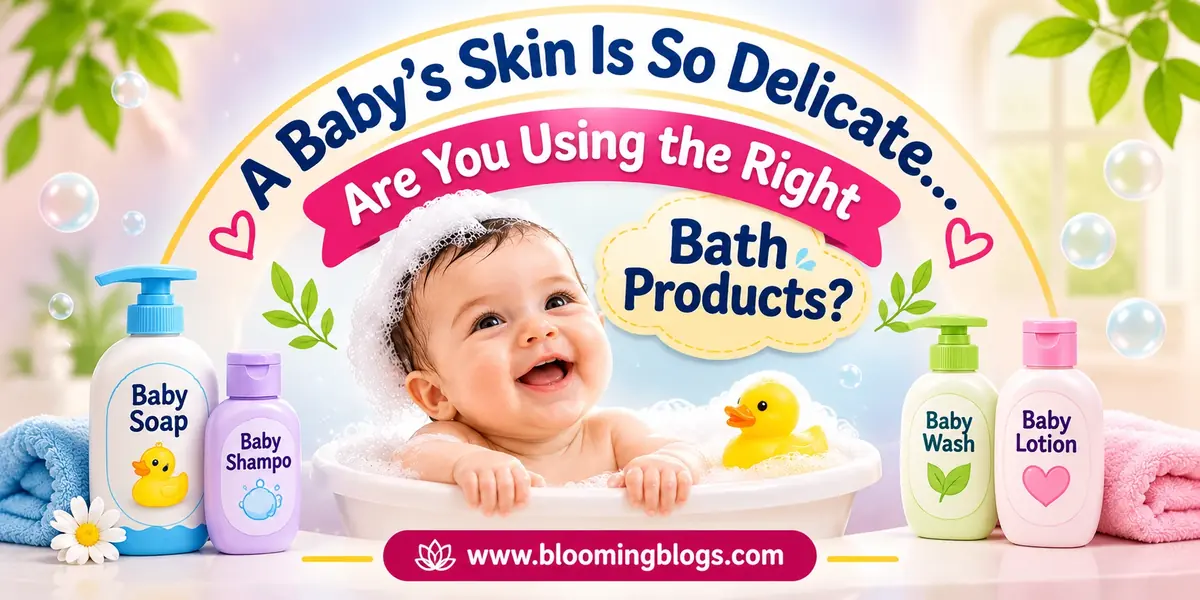
A newborn’s skin is delicate and still developing. Therefore, choosing suitable bath products for newborn babies is an important part of everyday care. Fortunately, you do not need a cupboard full of products to keep your little one clean. A few simple, gentle essentials are usually enough to make bath time safe, comfortable and enjoyable.
The best approach is to choose age-appropriate products, avoid unnecessary ingredients and pay attention to how your baby’s skin responds. In addition, understanding which products are essential can help you avoid unnecessary purchases.
How to Choose the Right Bath Products for Your Baby
Before buying anything, consider these important points. Each one can help you select products that support your baby’s delicate skin.
1. Choose Gentle Ingredients
Look for products made specifically for newborns or young babies. Ideally, choose mild, fragrance-free options and avoid ingredients that may irritate delicate skin.
For example, strong perfumes, harsh cleansers and unnecessary additives can contribute to dryness or irritation. Therefore, always check the ingredient list before making a purchase.
2. Prefer Fragrance-Free Products
A product that smells pleasant is not necessarily better for your baby. In fact, fragrances can irritate sensitive skin.
For this reason, a fragrance-free cleanser or moisturiser is often a sensible choice, particularly during the newborn stage.
3. Check the Product Label
Always read the age guidance, ingredients, directions and warnings before using any product.
However, remember that claims such as “natural”, “organic” or “tear-free” do not automatically mean a product is suitable for every baby. Instead, consider the actual ingredients and age recommendations.
4. Consider Your Baby’s Skin
Every baby has different skin needs. Some babies naturally have dry or sensitive skin, while others may experience eczema or irritation.
Therefore, choose simple, fragrance-free products and observe how your baby’s skin responds. If your little one has a persistent skin condition, consult your paediatrician before introducing new products.
5. Look for a Suitable pH and Mild Formula
A baby’s skin has a natural protective barrier. Consequently, using an overly harsh cleanser may contribute to dryness.
If you choose a cleanser, select a mild product designed for infant skin rather than ordinary adult soap. Additionally, avoid products with unnecessary cleansing agents.
6. Choose Products for Your Baby’s Age
Newborn skin needs particularly gentle care. Therefore, always check whether a product is suitable for your baby’s current age, especially during the first few weeks.
As your baby grows, their skincare needs may change. For this reason, review product age recommendations before purchasing replacements.
7. Keep the Routine Simple
A mild cleanser, soft washcloth and clean towel may be all you need. Alternatively, a combined baby shampoo and body wash can reduce the number of products in your routine.
However, make sure the product is suitable for your baby’s age and skin. Most importantly, remember that plain water is often sufficient for routine newborn cleaning.
8. Be Careful With Allergies and Sensitivities
If your baby has a history of skin reactions or allergies, ask your paediatrician before introducing new products.
Additionally, introduce products one at a time so you can identify potential triggers more easily. Stop using any product that appears to cause irritation.
9. Consider Practical and Sustainable Choices
If environmental impact matters to your family, look for responsibly sourced ingredients and recyclable packaging.
Nevertheless, skin suitability and product safety should always remain your first priorities. A sustainable package is useful, but it should never replace careful ingredient selection.
Essential Bath Products for a Newborn
You do not need every baby bath accessory available. Instead, start with a few useful basics and add other items only when they serve a genuine purpose.
1. A Baby Bathtub or Suitable Washing Basin
A small baby bathtub or clean basin can make washing easier. Choose a stable design that is easy to clean and use according to its instructions.
However, never rely on a bathtub’s shape or support features to keep your baby safe. Always maintain close supervision and keep your baby within arm’s reach.
2. Soft Washcloths
Soft, clean cotton washcloths are useful for gently cleaning your baby’s face, neck, hands and body.
Additionally, keep separate clean cloths available for the nappy area. This helps maintain good hygiene during bath time.
3. A Gentle Baby Cleanser
Plain water is often sufficient, particularly for a young newborn. However, if you decide to use a cleanser, choose a mild, fragrance-free product specifically intended for babies.
Use only a small amount. Furthermore, avoid applying cleanser unnecessarily to your baby’s delicate skin.
4. A Soft, Absorbent Towel
Keep a clean towel within reach before starting the bath. A hooded towel is optional, but it can make wrapping your baby after bathing more convenient.
Once bath time is over, gently pat the skin dry rather than rubbing it. Pay particular attention to the neck, underarms and other skin folds.
5. A Baby Moisturiser
If your baby’s skin becomes dry, a simple fragrance-free moisturiser suitable for infants may help.
However, avoid using several skincare products at once. If dryness, redness or eczema continues, ask a healthcare professional for guidance.
6. A Baby Hairbrush
A soft baby brush can help gently arrange fine hair. Nevertheless, avoid pulling or scratching the scalp, especially if your baby has cradle cap.
Use gentle movements and stop if your baby appears uncomfortable.
7. A Clean Nappy and Fresh Clothes
Prepare a clean nappy and comfortable clothes before bath time. This simple step helps you dress your baby promptly after drying.
In addition, keeping everything nearby means you will not need to leave your baby unattended to collect supplies.
8. Bath Toys for Older Babies
Bath toys are not necessary for newborns. However, as your baby grows and becomes interested in play, you can introduce age-appropriate toys.
Choose toys that are easy to clean and dry completely. Avoid toys that trap water inside, as moisture can encourage mould growth.
9. A Toy Storage Basket
A draining basket or mesh container can help keep bath toys organised.
After each use, allow the toys to dry thoroughly. This reduces the chance of mould developing inside or around them.
10. A Kneeling Mat for Parents
A cushioned, water-resistant mat may make bathing more comfortable for parents who kneel beside the bathtub.
Although it is a useful comfort item, remember that it is optional and does not provide any additional safety for your baby.
Products and Accessories to Avoid or Use With Caution
Not every product marketed for babies is necessary or appropriate for newborns. In fact, some products may introduce unnecessary ingredients or create avoidable safety risks.
Here are a few items to avoid or approach carefully:
- Bath bombs and heavily scented products: These may contain fragrances, colourants or other ingredients that can irritate sensitive skin. Therefore, they are unnecessary for newborn bathing.
- Essential oils: Avoid adding concentrated essential oils to your baby’s bath unless a qualified healthcare professional specifically advises you to do so.
- Harsh soaps and adult shampoos: These may be too strong for delicate infant skin. Instead, choose a mild cleanser designed specifically for babies, if one is needed.
- Baby bath seats: Never rely on bath seats to prevent drowning. They can detach or tip, and a baby can drown quickly in shallow water. Most importantly, keep your baby within arm’s reach throughout the bath.
- Unnecessary skincare products: Powders, perfumes and multiple lotions are not needed for a basic newborn bathing routine. Keeping things simple is generally a better approach.
What to Do If a Bath Product Irritates Your Baby’s Skin
Even products labelled for babies can cause a reaction in some children. For example, you may notice redness, dryness, itching, swelling or a new rash after introducing a product.
If you suspect irritation, follow these steps.
1. Stop Using the Product
First, discontinue the suspected product rather than applying it again to see whether the reaction returns.
Also, keep the product packaging so you can check its ingredients if necessary.
2. Rinse the Skin Gently
If product remains on your baby’s skin, rinse the affected area gently with lukewarm water.
Avoid scrubbing or using additional cleansers. Instead, allow the skin to settle naturally.
3. Keep the Routine Simple
Do not introduce several new creams, oils or cleansers to treat the reaction. Otherwise, additional products may make it harder to identify the original cause.
For now, stick to simple, gentle skincare.
4. Observe the Affected Area
Pay attention to whether the irritation improves, spreads or becomes more uncomfortable.
Additionally, keep a note of the product name and its ingredients. This information may help your paediatrician identify a possible trigger.
5. Seek Medical Advice When Needed
Contact your paediatrician if the rash persists, worsens or causes discomfort.
However, do not wait for a routine appointment if your baby develops facial or lip swelling, breathing difficulty or another severe allergic reaction. Seek emergency medical help immediately.
6. Be Careful When Introducing New Products
Use one new product at a time and always follow its label directions.
Furthermore, if your baby has eczema or a history of allergic reactions, ask your paediatrician before trying new skincare products.
Simple Tips for a Safe and Comfortable Bath Routine
Choosing the right products is only one part of newborn bath care. Equally important is creating a safe and comfortable bathing environment.
Follow these practical tips:
- Prepare the towel, clean clothes and nappy before starting.
- Keep the bathing area warm and free from distractions.
- Check the water temperature carefully before placing your baby in it.
- Support your baby’s head and neck throughout the bath.
- Never leave your baby alone in water, even for a moment.
- Use only the products you genuinely need.
- Pat the skin dry, especially around the neck, underarms and other skin folds.
- Stop if your baby becomes distressed and try again when they are settled.
Most importantly, always keep your baby within arm’s reach. No bath product or accessory can replace direct adult supervision.
Frequently Asked Questions About Bath Products for Newborn
1. What bath products do you need for a newborn?
You only need a few basic items, including a soft washcloth, clean towel, suitable baby bathtub or basin, and a mild, fragrance-free baby cleanser if needed. Additionally, keep a clean nappy and fresh clothes nearby.
2. Which bath products are safest for newborn babies?
The safest bath products for newborn babies are generally mild, fragrance-free and specifically formulated for infants. Always check the ingredient list, age recommendations and product instructions before use.
3. Can I use soap on my newborn baby?
Plain lukewarm water is often sufficient for cleaning a newborn. However, if you choose to use soap, select a mild, fragrance-free cleanser designed specifically for babies rather than ordinary adult soap.
4. Should newborn bath products be fragrance-free?
Yes, fragrance-free products are generally a sensible choice for newborns because added fragrances may irritate delicate skin. Therefore, consider fragrance-free cleansers and moisturisers whenever possible.
5. Can I use baby shampoo on a newborn?
You may use a baby shampoo specifically formulated and labelled as suitable for newborns. However, shampoo is not always necessary, especially during the early weeks. Follow the product instructions and avoid getting it into your baby’s eyes.
6. Is baby lotion necessary after every bath?
No, baby lotion is not necessary after every bath. If your newborn develops dry skin, a simple fragrance-free moisturiser suitable for infants may help. Consult your paediatrician if dryness or irritation persists.
7. Can I use baby oil on my newborn?
Baby oil is not essential for newborn skincare. Before using any oil, check that it is suitable for your baby’s age and skin. Additionally, avoid applying oils near the nose and mouth or using them on irritated skin without medical advice.
8. Are natural or organic bath products better for newborns?
Not necessarily. Natural and organic labels do not automatically guarantee that a product is gentle or suitable for newborn skin. Instead, check the ingredients, avoid unnecessary fragrances and follow age recommendations.
9. How often should I bathe my newborn?
Newborns generally do not need a daily bath. Bathing two or three times a week is usually sufficient, although you should gently clean the face, neck, hands and nappy area as needed. Follow your healthcare professional’s advice.
10. What bath products should I avoid for newborn babies?
Avoid heavily scented products, bath bombs, concentrated essential oils, harsh adult soaps and unnecessary skincare products. These may irritate delicate skin. Also, never rely on bath seats or accessories to prevent drowning.
11. What should I do if a bath product causes a rash?
Stop using the suspected product and gently rinse the affected area with lukewarm water. Avoid introducing additional skincare products. Contact your paediatrician if the rash persists or worsens. Seek emergency medical help if your baby develops facial swelling or breathing difficulties.
12. What is the best way to make newborn bath time safe?
Prepare all bathing essentials beforehand, check the water temperature, support your baby’s head and neck, and keep your baby within arm’s reach throughout the bath. Never leave a newborn unattended in water, even for a moment.
Final Thoughts
Choosing newborn bath products is less about buying more and more about choosing wisely. Fortunately, a clean basin or baby bathtub, soft washcloths, a gentle cleanser if needed, a towel and suitable moisturiser are enough for most basic routines.
Keep your baby’s individual skin needs in mind, avoid unnecessary fragrances and harsh ingredients, and introduce new products carefully. Additionally, consult your paediatrician whenever you have concerns about persistent skin problems or product reactions.
Most importantly, remember that bath time should be simple, gentle and safe. With a few carefully chosen essentials and proper supervision, you can make this everyday routine a comfortable experience for your little one.
Disclaimer: This article provides general baby-care information and is not a substitute for professional medical advice. Consult your paediatrician about persistent skin problems, allergies or concerns regarding products suitable for your baby.
🔗 Related Articles
If you are preparing for a newborn, these helpful Blooming Blogs guides can help you plan, prepare, and care for your baby with greater confidence:
- 1. Best Infant Formula for Newborns: Types, Choices & Safety Guide
- 2. Newborn Baby Essentials Checklist for Soon-to-Be Parents
- 3. How to Prepare Formula Milk for a Newborn Baby
- 4. Newborn Baby Care: Complete Guide for New Parents
- 5. Formula Mixing & Bottle Ratio Calculator
- 6. Hospital Bag for Delivery: Complete Checklist for Mom and Baby
- 7. The Ultimate Pregnancy Hospital Bag & Registry Checklist: Your Stress-Free Delivery Guide
- 8. Hospital Bag Checklist Tool
- 9. Rompers for Newborn: Ultimate Guide to Safe Baby Clothes
- 10. Onesies and Rompers: How to Dress Your Newborn Right
- 11. Baby Onesies Buying Guide: Best Soft Outfits for Newborns
🛠️ Try Our Free Interactive Baby Care Tools
Planning your nursery or setting up daily routines? Check out these handy calculators designed to simplify baby care:
🌱 Continue Exploring…
Whether you’re nurturing a newborn, curating a sanctuary for your home and garden, or simply looking to level up your day-to-day life, there’s always a new perspective waiting to be discovered. From practical everyday parenting guidance, women’s wellness information, ideas to make your home more beautiful, tips for caring for pets and plants, or inspiration for your spiritual journey, Blooming Blogs brings useful knowledge together in one place.
Blooming Blogs — knowledge that blooms.
🌸 Blooming Blogs Promise
We’re here to bring you thoughtful, reliable, and helpful insights you can truly count on. Every article on Blooming Blogs is thoroughly researched, crafted with care, and written with genuine empathy to support you in your everyday journey. Your trust means everything to us, and we are dedicated to sharing content that informs, inspires, and makes your life a little easier.
📰 Editorial Notes
Our team strives for clarity, accuracy, and depth in every piece we publish. Content is periodically updated to ensure facts, recommendations, and guides stay relevant over time. While we consult trusted sources and expert research, our goal is always to present complex topics in a simple, practical, and conversational way that works for real life.
⚠️ Disclaimer
The content provided on Blooming Blogs is for informational and educational purposes only and should not be considered professional medical, legal, or financial advice. Always consult with a qualified expert or licensed professional before making decisions related to your health, family, or personal finances. Blooming Blogs is not liable for any actions taken based on the information provided on this website. (For full details, please visit our Disclaimer Policy Page).
💬 Share Your Experience — Leave a Comment
We’d love to hear from you! Did this article help you, or do you have a personal tip or story to share with our community? Drop your thoughts, questions, or feedback in the comment section below. Every voice enriches our community, and we read every single comment!